




Professional Development Courses
Saturday In-Person Courses
Arthur R. Outlaw Mobile Convention Center—Mobile, Alabama
(in-person courses are in Central Standard Time)
Basic Level Courses: For those new to the profession or would like training in a particular topic.
Intermediate Level Courses: For those with basic knowledge or would like to learn more.
Advanced Level Courses: For those with experience or looking for a challenging course.
Weather Update:
Out of an abundance of caution, we have canceled all Saturday courses.
We are working to reschedule these courses as virtual sessions and will share details with registered course participants as soon as they are available.
Saturday, October 10, 2026, 8:00 am – 5:00 pm
1. BSL-3 Operations and Management
This course will review the important aspects of BSL-3 Operations and Management from two points of view; “hardware” (i.e., facilities & equipment issues) and “software” (i.e., administrative controls). It will cover various aspects you need to consider in order to operate a BSL-3 facility, such as training, maintenance support, occupational health, waste management, maintenance, performance verification, and emergency response. The instructors will encourage interaction and the exchange of experiences among the attendees. Regulatory aspects from any specific country, or planning, design, or construction-related issues will not be covered.
Objectives:
- Describe the elements of BSL-3 Operations and Management (risk management, primary barriers, annual performance verification, emergency response, etc.)
- Recognize institutional, management, and user responsibilities
- Summarize approaches to developing manuals, SOPs, and training
Suggested Background:
Basic Risk Assessment and familiarity with BSL-3 Concepts
Target Audience:
Safety Professionals, BSL-3 Managers, Containment Engineers, Lab and Scientific Directors
Audience Level:
COURSE FACULTY
 Paul Jennette holds Bachelor’s and Master’s Degrees in Environmental Engineering from Cornell and the University of Massachusetts, respectively, and is both a Registered Professional Engineer and a Certified Biological Safety Professional. Since 1999, he has held the position of Biosafety Engineer at the Cornell College of Veterinary Medicine and has also been the Director of Biocontainment Operations there since 2013. Paul’s responsibilities include: design, verification, operation, decontamination, and program management related to Cornell’s BSL-3, ACL-3, and ABSL-3 facilities, which include both research & diagnostic laboratories as well as a BSL-3 large animal necropsy; training all Cornell BSL-3 scientific and support staff and providing direct, in-containment support for BSL-3 diagnostic operations; directing the operations of Cornell’s medical and pathological waste treatment facility, which includes a 5,000-lb/batch carcass digester; serving on Cornell’s Institutional Biosafety Committee and directing the Cornell Vet College Rabies Risk Management Program. Paul serves on biosecurity teams for Select Agent Labs at the Cornell Vet College and provides technical support for the College’s effluent decontamination systems. He served as the American Biological Safety Association’s representative on the ANSI committee to develop a national standard for the verification of BSL-3 facility performance, is a reviewer and lead author of a technical column for the Applied Biosafety journal, and is a member of ABSA’s Professional Development Team. He is a former co-chair of ABSA’s Principles & Practices of Biosafety class as well as a regular instructor for BSL-3 courses offered by the Eagleson Institute and ABSA. In addition to his position at Cornell, Paul provides biocontainment operations consulting services to a variety of academic, governmental, and pharmaceutical clients.
 Merrick & Company, Greenwood Village, CO
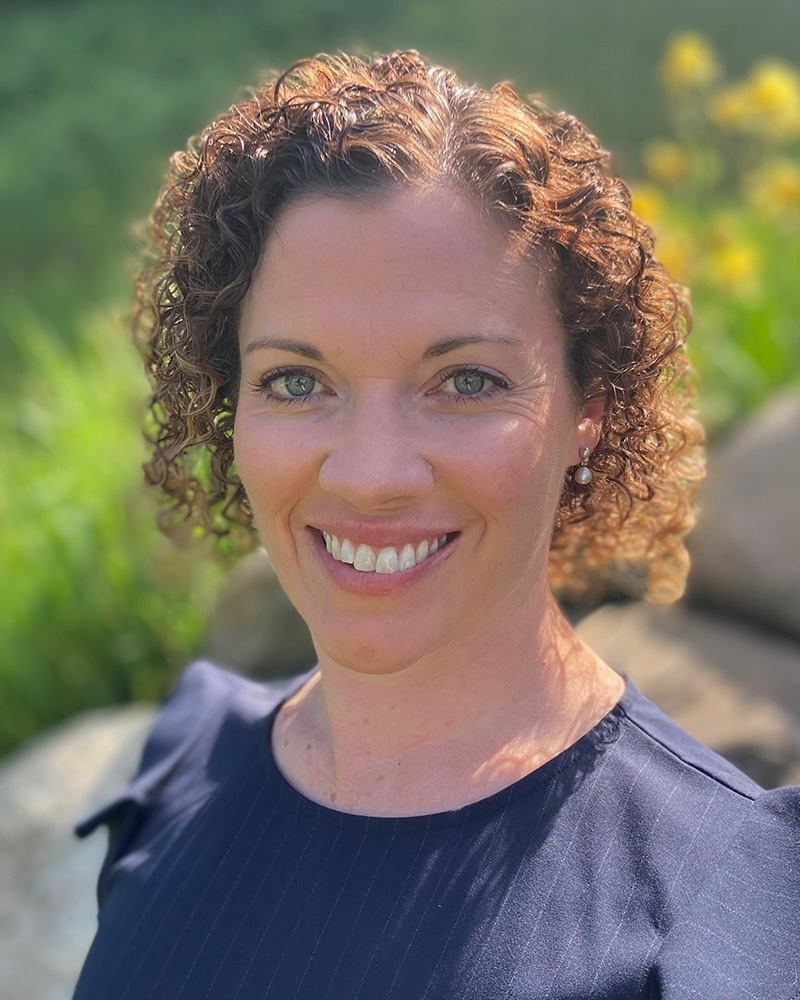
Carrie Smith is a seasoned biosafety professional with over fifteen years of experience spanning academia, government, and the private sector. As a Senior Scientist at Merrick & Company, she specializes in biosafety and laboratory operations planning, helping clients design and transition laboratories through new constructions, renovations, and strategic upgrades. Her expertise also extends to training, biosafety program development, standard operating procedures (SOPs), manuals, decontamination strategies, and other critical biosafety initiatives. Before joining Merrick, Carrie held key roles in biosafety leadership, serving as BSO and ARO at Oklahoma State University, a biosafety specialist and trainer at the University of Wisconsin-Madison, and BSO and ARO at the USGS National Wildlife Health Center. She earned her undergraduate degree in Biology with a concentration in Biotechnology from the University of Delaware and went on to complete her PhD in Genetics at North Carolina State University, where her research encompassed recombinant bacteria, viruses, fungi, plants, and biological toxins. Throughout her career, Carrie has successfully led both small and large biosafety programs, demonstrating expertise in BSL-3/ABSL-3 oversight, atypical animal biocontainment, select agent program management, recombinant technology, plant biosafety, diagnostic laboratory protocols, and the development of online and in-person training. In addition to her professional contributions, she is deeply involved in educational initiatives, serving as an instructor for ABSA’s Principles & Practices of Biosafety Course, teaching the ABSA BSL-3 Operations and Management professional development course, and actively participating in the Preconference Course Committee.
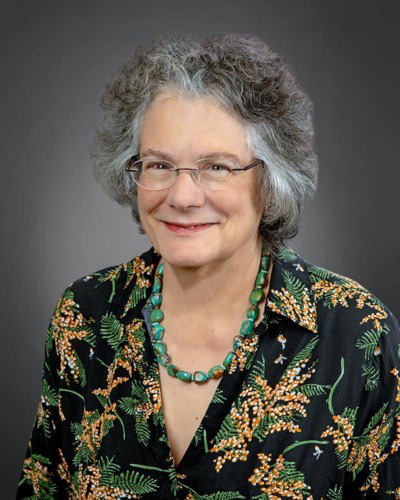 Dee Zimmerman retired from the University of Texas Medical Branch, Environmental Health and Safety. She was the university biosafety officer, director of the health, safety and training core for the University of Texas Medical Branch—Galveston (UTMB) National Laboratory, senior environmental health and safety consultant in the Biological Safety program and served as the university’s select agent program alternate responsible official, IBC member and coordinator. Her duties include working closely with research staff in BSL-2, BSL-3, BSL-4, ABSL-2, 3, and 4 laboratories working closely with research scientists, biocontainment engineers, facility staff and occupational health. Dee was with the University of Texas Medical Branch from 1982 until retiring in 2017. She attended Inter-American University in Puerto Rico and was the lab and safety coordinator for the Marine Ecology Division, Center for Energy and Environmental Research at the University of Puerto Rico. Dee is the 2019 Past President of ABSA International.
COURSE FEES
ABSA Members: $695 USD ($795 after 8/24)
Nonmembers: $895 USD ($995 after 8/24)
In-person courses are purchased in conjunction with your in-person conference registration.
CONTACT HOURS
This course has been approved for 1.0 CM points toward RBP/CBSP recertification. ABSA International is approved as a provider of continuing education programs in the clinical laboratory sciences by the ASCLS P.A.C.E.® Program. This course is approved for 7.5 P.A.C.E.® contact hours.
Saturday, October 10, 2026, 8:00 am – 5:00 pm
2. Basic Risk Assessment
Rapid scientific and technological advances continue to challenge the biosafety community in determining and establishing the practices and containment necessary to avoid exposure to hazardous biological agents and materials found in the laboratory. This introductory course will provide an opportunity to incorporate the basic knowledge and skills necessary to perform risk assessments for working safely with pathogens (human and animal) and rDNA (genetically modified organisms or viral vectors). Using case studies, attendees will work together to conduct risk assessments by determining the hazards involved; the appropriate questions to ask to address the potential risks associated with the intended activities and make recommendations on appropriate containment and practices required to work safely. Each group will present their conclusions from the activity.
Objectives:
- Identify and list determinants for assessing risk (host, environment, agent)
- Complete the steps of a risk assessment and determine steps to manage risk (mitigation)
- Identify resources and references for risk assessment/management
Suggested Background:
Fundamentals of Biosafety
Target Audience:
New Biosafety Professionals, Laboratory Workers, All Safety Professionals
Audience Level:
COURSE FACULTY
 Michigan State University, Lansing, MI
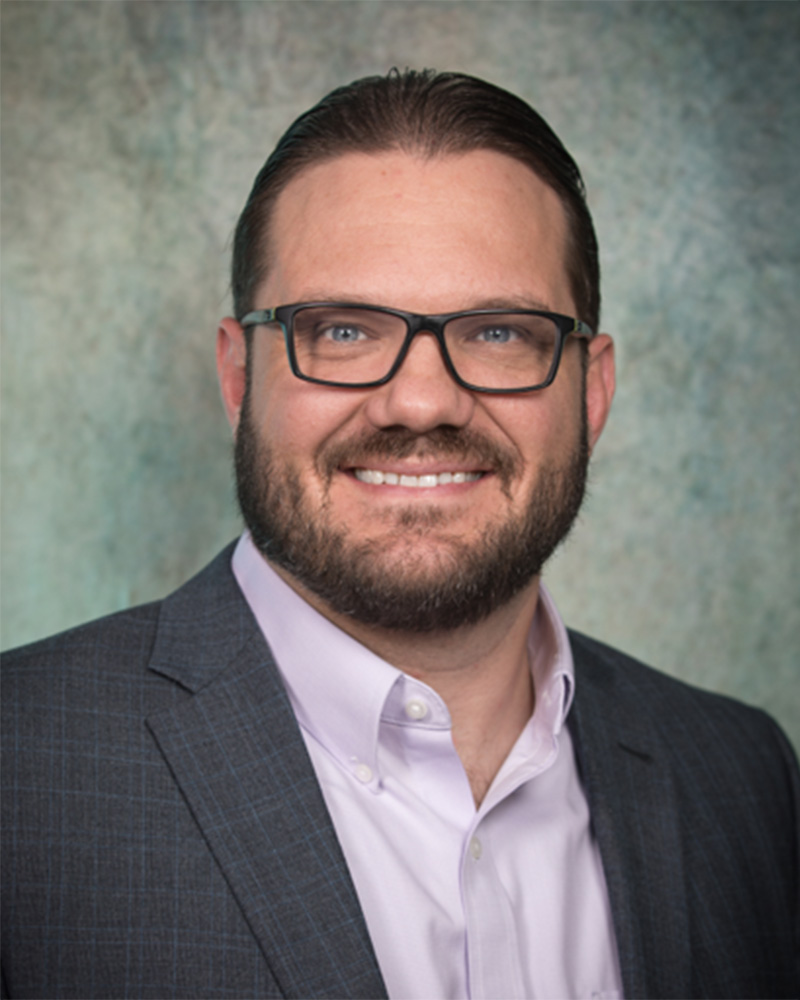
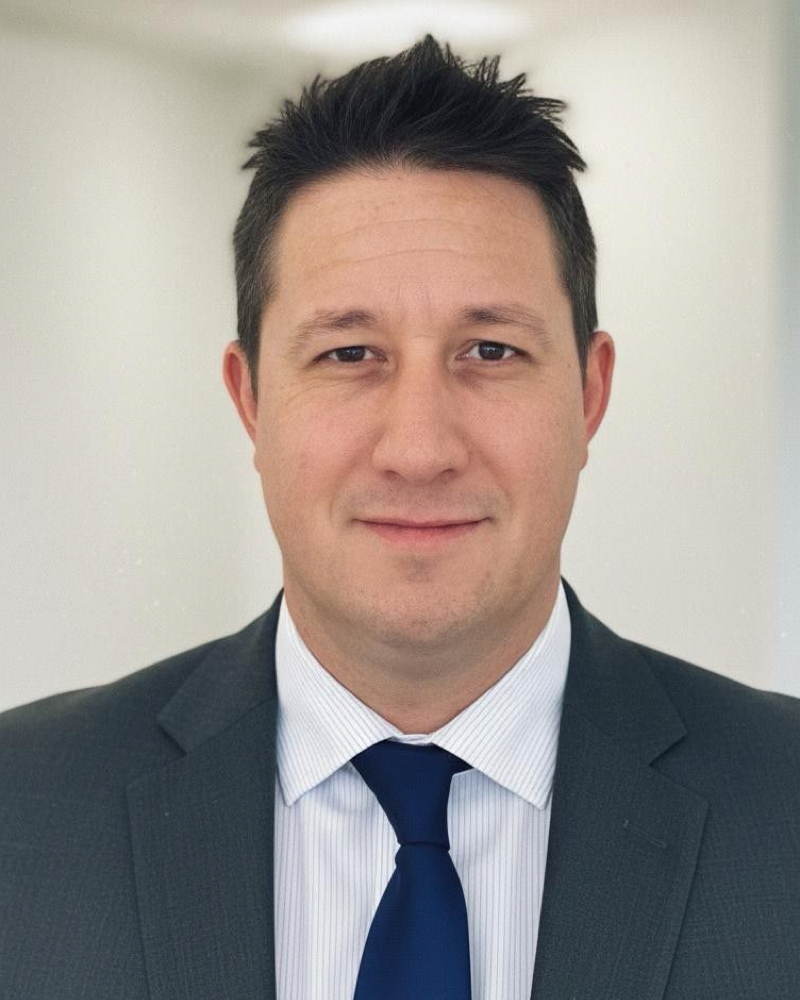
Luis Alberto Ochoa Carrera, MSc, MRM, IFBA-CP, is an internationally recognized biosafety and biosecurity professional whose career bridges laboratory practice, public health preparedness, high-containment operations, and global capacity building. He currently serves as High-Containment Laboratory and Pandemic Safety Manager at Michigan State University, where he supports institutional biosafety, biocontainment, emergency preparedness, and the safe conduct of research involving biological hazards. Before joining Michigan State University, Mr. Ochoa Carrera served as Director of the Epidemiological Surveillance and Research Laboratory Network at the Mexican Institute for Social Security and as BSL-3 Laboratory Coordinator at Mexico’s National Institute for Epidemiological Diagnosis and Reference. His earlier scientific experience included clinical virology, molecular diagnostics, infectious diseases, antimicrobial resistance, and laboratory responses to emerging biological threats. Mr. Ochoa Carrera is a former President of ABSA International and a founding member and Past President of the Mexican Biosafety Association. Through these leadership roles, he has helped strengthen professional networks and advance biosafety as a scientific discipline across North America, Latin America, the Caribbean, and the global community. He currently serves on the World Health Organization Technical Advisory Group on Biosafety, the Board of Directors of the International Federation of Biosafety Associations, and as IFBA Coordinator for Latin America and the Caribbean. He is also a Senior Advisor to the Global Health Security Fund and contributes to BioPREVAIL’s mission of preparing biosafety professionals worldwide. His international work has supported organizations and professionals across the Americas, Africa, Asia, Europe, and the Middle East. Certified by IFBA in six technical disciplines, his expertise encompasses biorisk management, biological risk assessment, biosecurity, cyberbiosecurity, biocontainment facilities, and biosafety cabinets. His career reflects a sustained commitment to transforming biosafety from an institutional requirement into a shared global responsibility.
COURSE FEES
ABSA Members: $695 USD ($795 after 8/24)
Nonmembers: $895 USD ($995 after 8/24)
In-person courses are purchased in conjunction with your in-person conference registration.
CONTACT HOURS
This course has been approved for 1.0 CM points toward RBP/CBSP recertification. ABSA International is approved as a provider of continuing education programs in the clinical laboratory sciences by the ASCLS P.A.C.E.® Program. This course is approved for 7.5 P.A.C.E.® contact hours.
Saturday, October 10, 2026, 8:00 am – 5:00 pm
3. Preparing for and Responding to Laboratory Emergencies – Are you prepared?
Biosafety professionals often provide fundamental training for research and healthcare staff to work safely and respond to potential emergencies involving a wide range of biological hazards. Training employees to proactively identify and take appropriate actions to minimize the likelihood and impact of these types of incidents helps to minimize the development of serious and/or irreversible consequences. This class reviews the process for developing an effective emergency response plan, emphasizing the importance of a comprehensive and well-coordinated training program for laboratory staff, institutional incident response team members, and local first responders (e.g., emergency management services, fire, police, emergency dispatchers) when biological hazards are involved. Specific topics to be addressed include: the basic components of a comprehensive institutional emergency response plan; laboratory-specific contingency plans, emphasizing unique considerations for emergencies that involve biological hazards; staff roles and responsibilities during emergencies; communication strategies and protocols during an emergency event; and training and effective preparedness exercises to ensure a coordinated response effort.
Objectives:
- Review key components of the emergency management cycle as it applies to research institutions and laboratories
- Identify the various roles and responsibilities that are critical to an effective response
- Summarize ways to coordinate and communicate effectively with institutional and local authorities during an emergency
- Develop effective training strategies to ensure a successful response effort
Suggested Background:
Biosafety and Biosecurity Training Course® (BBTC)
Target Audience:
New Biosafety Professionals, All Safety Professionals, Laboratory Workers
Audience Level:
COURSE FACULTY
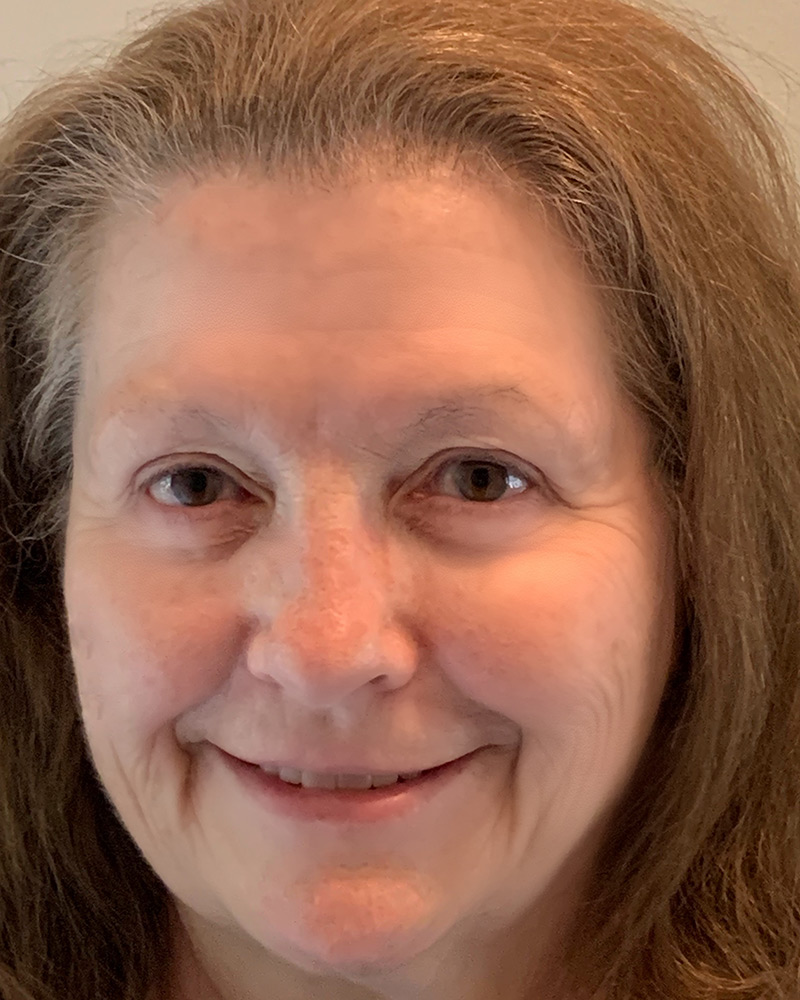 Dr. Susan Harper received her DVM from Louisiana State University and worked in large animal practice for several years before enrolling in a post-doctoral residency in comparative medicine at the Penn State University College of Medicine. She served on the Penn State faculty for 2 years following graduation, before accepting a position with the National Institutes of Health (NIH). She has worked at several different Departments and Agencies during her federal career and currently serves as the Deputy Director for the NIH Office of Animal Care and Use in Bethesda, MD. She is a diplomate of the American College of Laboratory Animal Medicine (ACLAM) and the American College of Veterinary Preventative Medicine (ACVPM); a Registered Biosafety Professional (RBP) through ABSA International; and serves on the AAALAC International Council on Accreditation.
 Deborah Howard is the Expert, Global Environment, Health & Safety Biological Materials Manager for BASF where she has oversight of greenhouses, laboratories, inoculant, & fermentation sites. She has been the Biosafety Manager at BASF since May 2014. Deborah has extensive experience with IBC’s, IACUC, Select Agent regulations, exporting, greenhouse, arthropods, genetically modified plants, & animals. She has over 30 years of experience in health and safety & knowledge of regulations including NIH, OSHA, EPA, APHIS, & USDA. Previously, she was the Biosafety Manager at UNC Chapel Hill where she was the IBC Administrator for 6 years.
 Anita Harrell has 10 years of experience in the fields of Occupational Safety, Biological Safety and Laboratory Safety. She has worked at BASF for 35 years and is currently the North America Biosafety Manager. Prior to joining BASF, Anita worked at North Carolina State University in Raleigh, NC. She received a degree in Botany from NCSU in 1983. Anita currently oversees the North American Biological Safety Programs. She works with site biosafety representatives to oversee these areas. She participates and several global biosafety teams at BASF.
COURSE FEES
ABSA Members: $695 USD ($795 after 8/24)
Nonmembers: $895 USD ($995 after 8/24)
In-person courses are purchased in conjunction with your in-person conference registration.
CONTACT HOURS
This course has been approved for 1.0 CM points toward RBP/CBSP recertification. ABSA International is approved as a provider of continuing education programs in the clinical laboratory sciences by the ASCLS P.A.C.E.® Program. This course is approved for 7.5 P.A.C.E.® contact hours.
Saturday, October 10, 2026, 8:00 am – 5:00 pm
4. Applying ANSI/ASSP Standard Z16.1-2022 “Safety and Health Metrics and Performance Measures”—Concepts to Biosafety Program Operations and Management
Recognizing the need to improve and standardize health and safety program metrics and performance measures, the American National Standards Institute collaborated with the American Society of Safety Professionals to create “ANSI/ASSP Z16.2 – 2022 Safety and Health Metrics and Performance Measures”. The standard describes the types of measures and metrics that safety programs should consider for programmatic decision-making and for communications to management and other stakeholders. The team assembled to create this standard possessed an impressive breadth of knowledge and experience across a variety of health and safety settings, however lacked specific involvement from the biosafety perspective. Given the preeminence of ANSI and ASSP recommendations, this course will first summarize the content of the ANSI/ASSP report and then provide tangible examples of how actual biosafety program data can be collected, displayed, communicated, and used as the basis for programmatic decision-making while meeting the criteria described in the report. The course will include small-group discussions focused on which data are currently being collected, and which are needed by leadership. Attendees are asked to come prepared to describe their respective measures and metrics, as well as the parameters other stakeholders are seeking, with ample time allotted for questions and discussion.
Objectives:
- Describe the metrics and performance measures recommended by ANSI/ASSP and their associated key characteristics
- Explain the concept of a balanced set of metrics
- Identify basic biosafety program measures and metrics that are used to assess program performance and provide the basis for comparisons to others
- Summarize methods and settings where measures and metrics can be used to improve visibility and support for their biosafety programs
Suggested Background:
None
Target Audience:
All Biosafety Professionals, All Safety Professionals
Audience Level:
COURSE FACULTY
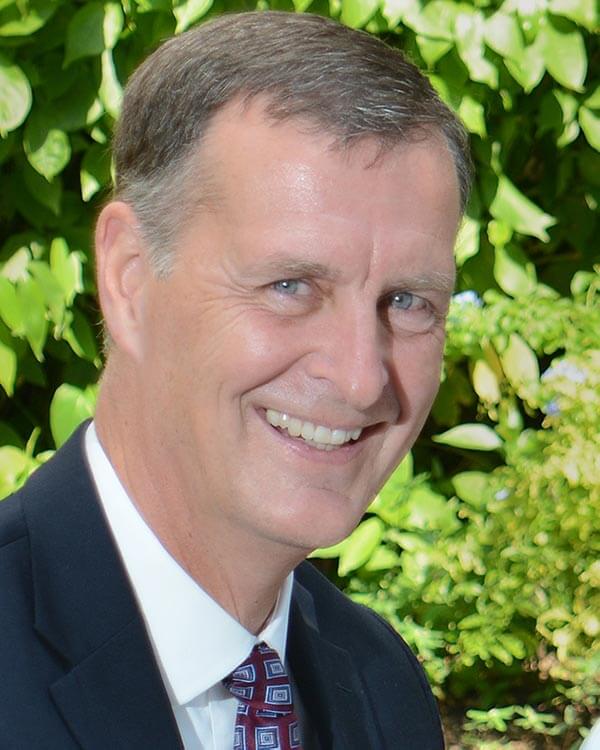 Robert Emery is Vice President for Safety, Health, Environment & Risk Management for The University of Texas Health Science Center at Houston (UTHealth Houston) and Professor of Occupational Health at the University of Texas School of Public Health. Bob is a board licensed Medical Health Physicist, a Certified Health Physicist (CHP), Certified Industrial Hygienist (CIH), and a Certified Safety Professional (CSP). He holds both ABSA International credentials; the Registered Biosafety Professional (RBP) and Certified Biological Safety Professional (CBSP).
 University of Texas Health Science Center
Houston, TX
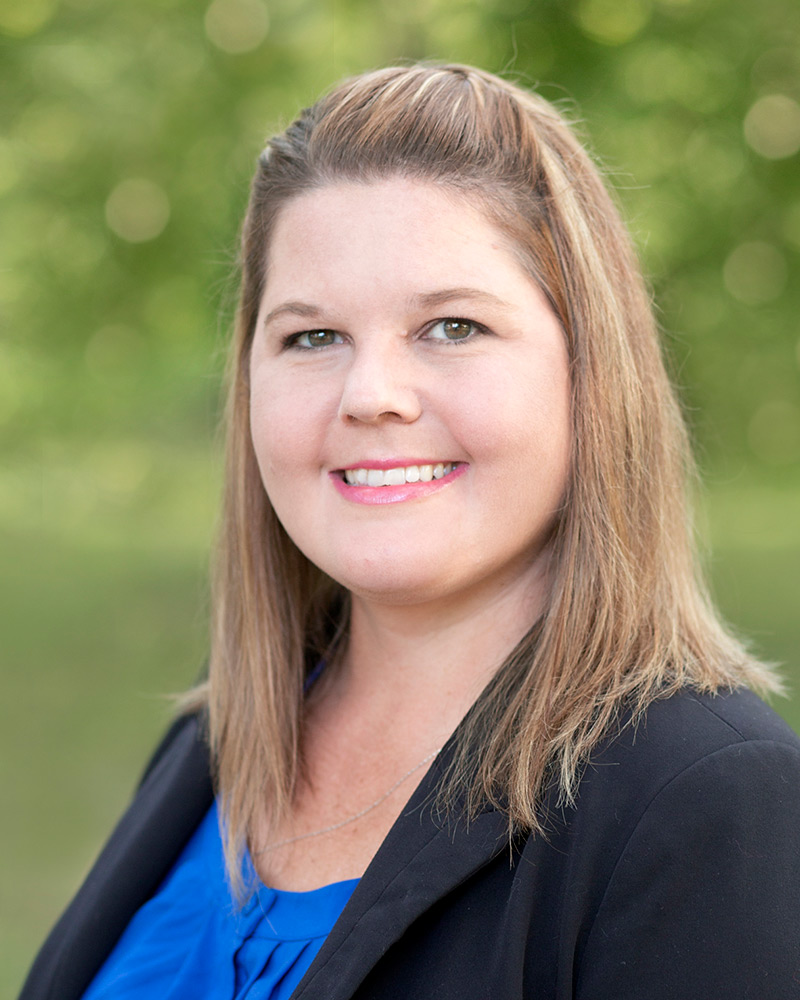
Kristin King, DrPH, CBSP(ABSA), CPH, CHSP, CIC, is the Biological Safety Program manager within Environmental Health & Safety at The University of Texas Health Science Center at Houston (UTHealth Houston). She holds a Doctor of Public Health in Occupational and Environmental Health Sciences (with a minor in epidemiology and leadership) from The University of Texas School of Public Health (UT SPH) and a Master of Public Health in Occupational and Environmental Health Sciences from the same school. Kristin uniquely holds professional credentials in both Infection control and biological safety and has published in peer-reviewed journals in both fields.
COURSE FEES
ABSA Members: $695 USD ($795 after 8/24)
Nonmembers: $895 USD ($995 after 8/24)
In-person courses are purchased in conjunction with your in-person conference registration.
CONTACT HOURS
This course has been approved for 1.0 CM points toward RBP/CBSP recertification. ABSA International is approved as a provider of continuing education programs in the clinical laboratory sciences by the ASCLS P.A.C.E.® Program. This course is approved for 7.5 P.A.C.E.® contact hours.
Saturday, October 10, 2026, 8:00 am – 5:00 pm
5. Risk Assessment to Reality: Translating Biorisk Assessment into Proportionate Controls and Facility Decisions
Biological risk assessment is a foundational requirement for biosafety and biosecurity programs; however, many organizations struggle to translate assessment outputs into defensible, proportionate, and sustainable controls. Too often, risk assessment remains a paper exercise, disconnected from operational decision-making, or leads to over-engineering solutions that strain resources without improving safety. This course offers a decision-driven, lifecycle-based approach that bridges the gap between biological risk assessment and real-world implementation. Attendees will learn how to convert biosafety and biosecurity risk assessment findings into practical control strategies, SOPs, training priorities, and infrastructure decisions that are fit for purpose and aligned with international expectations.The course integrates biosafety and biosecurity perspectives, addressing agent- and procedure-based hazards alongside threat and vulnerability considerations. Emphasis is placed on proportionality, justification of controls, and the avoidance of both under- and over-engineering. Through guided exercises and tabletop scenarios, attendees will practice translating risk characterization into engineering, administrative, and operational controls, including implications for laboratory design, containment features, and facility management. Designed for professionals working in laboratories, research institutions, and regulatory or oversight roles, this course equips attendees with tools to support defensible decision-making, enhanced institutional governance, and strengthened linkage between risk assessment, operational practices, and infrastructure planning.
Objectives:
- Analyze biological risks using integrated biosafety and biosecurity risk assessment frameworks that consider agents, procedures, exposure pathways, threats, and vulnerabilities
- Develop proportionate and defensible control strategies by translating risk assessment outputs into engineering, administrative, and operational controls
- Evaluate facility and infrastructure decisions to ensure they are fit for purpose, risk-informed, and aligned with institutional needs and international best practices
Suggested Background:
Fundamentals of Biosafety, Risk Assessment, Basic understanding of laboratory biosafety concepts, Prior exposure to risk assessment principles (formal or informal)
Target Audience:
All Safety Professionals, Laboratory Managers and Directors, Researchers and Principal Investigators
Audience Level:
COURSE FACULTY
Brazilian Society for Biosafety and Biosecurity (SB3)
Vicosa, Brazil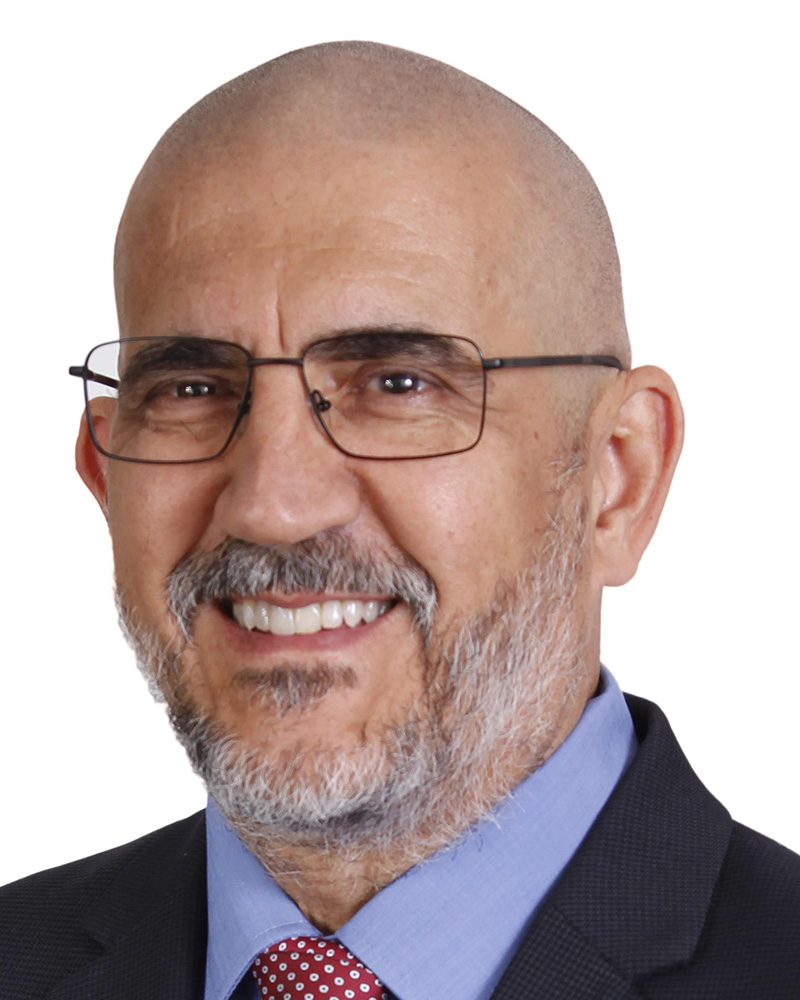
Dr. Mafra is a veterinarian (Federal University of Viçosa, 1988) with a Master’s in Parasitology (UFMG, 1991) and a PhD in Biological Sciences (Biochemistry) from UFRGS (1998). He completed postdoctoral training at the University of Texas Medical Branch in Galveston, USA, focusing on biodefense and emerging infectious diseases. As a retired full professor at the Department of Biochemistry and Molecular Biology at UFV, he continues as a professor and advisor in the Applied Biochemistry graduate program. His extensive expertise includes biosafety, parasitic diseases, parasite biochemistry and molecular biology, bioinformatics, and molecular epidemiology, with research emphasis on ticks, tick-borne diseases, and the complex interactions among pathogens, vectors, hosts, and the environment. Dr. Mafra has held multiple leadership roles, including Vice-President of ANBio, President of the Brazilian Society for Biosafety and Biosecurity (SB3), and President of the Certification Body of IFBA (Canada). He is a member of several national and international working groups, such as Brazil’s Maximum Biocontainment Facility Workgroup and CEPI’s Biorisk Working Group (Norway). He collaborates with institutions, including the Ministry of Health, PAHO, iGEM Foundation, and the Galveston National Laboratory (UTMB). He has consulted for organizations like ABNT, CNPq, FINEP, FAPESP, and the OAS on bioterrorism. An active researcher, Dr. Mafra has authored over 70 scientific articles, multiple books, patents, and software registrations. He has also guided numerous theses and postdoctoral projects. His career reflects a sustained commitment to advancing biosafety, biocontainment, and public health, contributing to national preparedness and global biosecurity efforts.
 National Biotechnology Development Agency, Abuja, Nigeria
Judith Chukwuebinim Okolo (PhD) is an Assistant Director (Research) at the National Biotechnology Research and Development Agency, Nigeria. She is an Africa Regional Subject Matter Expert (Af -RSME) in Biorisk management with African CDC, a fellow of the Emerging Leaders in Biosecurity (ELBI) with John Hopkins Centre for Health Security and a Registered Biological Safety Officer (RBSO) of the Canadian Association for Biological Safety (CABS). Dr Judith is a certified professional of the International Federation of Biological Safety Associations (IFBA) in Biorisk management, Biological Risk Assessment, Biological waste management and cyber-biosecurity. She is a mentor under the IFBA mentorship program and serves on various biosafety and biosecurity committees at national, regional and global levels. She provides independent technical expertise to the Health-Security Interphase Technical Advisory Group (HSI-TAG) at the World Health Organization (WHO). Dr. Judith provides programmatic support for national and international organizations to conduct workshops in biorisk management in Nigeria. She has mentored interns, students and medical practitioners. She has also authored and co-authored various publications including a handbook on biosafety and biosecurity for students in Nigeria. Dr. Judith is an alumnus of the Youth for Biosecurity by United Nations Office for Disarmament Affairs (UNODA) and has been trained as one of the African Women Leaders (AWL) in the frontiers of biosecurity & biosafety to prevent the next pandemics. She currently serves as the Country Coordinator – Federation of Asian Biotech Associations (FABA), Nigerian Chapter, and a council member of the World Animal Biosecurity Association (WABA). Dr. Judith is the convener of BioSafe Advocacy Network – a youth-led initiative dedicated to strengthening biosafety and biosecurity awareness, education, and leadership among young Africans.
COURSE FEES
ABSA Members: $695 USD ($795 after 8/24)
Nonmembers: $895 USD ($995 after 8/24)
In-person courses are purchased in conjunction with your in-person conference registration.
CONTACT HOURS
This course has been approved for 1.0 CM points toward RBP/CBSP recertification. ABSA International is approved as a provider of continuing education programs in the clinical laboratory sciences by the ASCLS P.A.C.E.® Program. This course is approved for 7.5 P.A.C.E.® contact hours.
Saturday, October 10, 2026, 8:00 am – 5:00 pm
6. Pharmaceutical Biosafety Officer Training Course
The course is intended for Pharma Biosafety Officers (BSOs), BSOs with interest in the biopharmaceutical industry, and can be a complimentary course to ABSA International’s Principles and Practices of Biosafety® (PPB). The curriculum begins with a comparison of academic and pharmaceutical biosafety models, examining U.S. and international regulatory frameworks and regional requirements, introducing the Biorisk Management Standard (ISO 35001) and related ISO safety standards, and highlighting core competencies for Pharma BSOs operating within complex organizations. Building on regulatory foundations, the course explores biosafety in biologics and novel pharmaceuticals—including antibody-drug conjugates, mRNA and lipid nanoparticles, viral vectors, and gene therapies. Key concepts include biosafety levels (infection risk management) and exposure control banding (potency/toxicity of ingredients) for managing infection risk, ingredient potency, and hybrid biological–chemical hazards, followed by alignment of Good Manufacturing Practice (GMP) principles with biosafety requirements; engineering topics cover HVAC analysis, workflow and equipment layout, Piping & Instrumentation Diagrams (P&IDs), room pressurization, decontamination methods (e.g., autoclaves, HEPA filtration, kill tanks, chemical treatments), and process equipment containment through group exercises. Finally, attendees explore how organizational risk tolerance influences biosafety through a hands-on risk assessment workshop spanning research, manufacturing, and clinical settings, featuring simulated approval processes (e.g., Institutional Biosafety Committee), collaborative review, case scenarios, group discussion, and Q&A.
Objectives:
- Compare and contrast key regulatory frameworks, including the differences between academic and pharmaceutical biosafety models, essential USA and international regulations, the Biorisk Management Standard (ISO 35001), and recommended competencies for Pharma Biosafety Officers
- Apply biosafety principles to advanced pharmaceutical modalities such as biologics, mRNA technologies, antibody-drug conjugates, and gene therapies, including strategies for managing infection risk (biosafety levels) and chemical/biological hybrid hazards (exposure control banding)
- Integrate Good Manufacturing Practices (GMP) with biosafety program requirements by analyzing engineering controls, facility design (HVAC, Piping & Instrumentation Diagrams (P&IDs)), decontamination methods, and by conducting risk assessments in research, manufacturing, and clinical environments
Suggested Background:
Fundamentals of Biosafety, Micro/Molecular Biology 101, Principles and Practices of Biosafety® (PPB), Risk Assessment, Virology/Viral Vectors
Target Audience:
All Biosafety Professionals, Pharma EHS Professionals interested in biosafety upskilling
Audience Level:
COURSE FACULTY
 Leo Njongmeta is an Associate EHS Director and Global Biosafety Officer at Abbvie where he leads the Global R&D EHS Center of Excellence comprised of Biosafety, Vivarium Safety, Radiation Safety, Environmental Compliance and Dangerous Goods Shipping programs. His Team is responsible for providing strategic support to drive a Culture of Safety and Environmental Compliance in biomedical research, drug discovery, preclinical safety, and biologics manufacturing. Prior to a career in safety, Leo was a research scientist conducting biomedical research in the fields of immunology, animal models of infectious diseases and vaccine development. Leo possesses a B.Sc in Microbiology, an M.Sc in Molecular Biology, a Ph.D in Veterinary Science (Parasite Immunology) and an MBA in Leadership and Operations Management. Leo is currently an adjunct Assistant Clinical Professor in Environmental and Occupational Health Sciences at the University of Illinois at Chicago (UIC) School of Public Health. Leo holds board certifications in Safety (CBSP(ABSA), CSP), has been an active member of ABSA International serving in various committees which include current elected member of the ABSA Nominating Committee and leadership roles in the ABSA Pharma Biosafety Group.
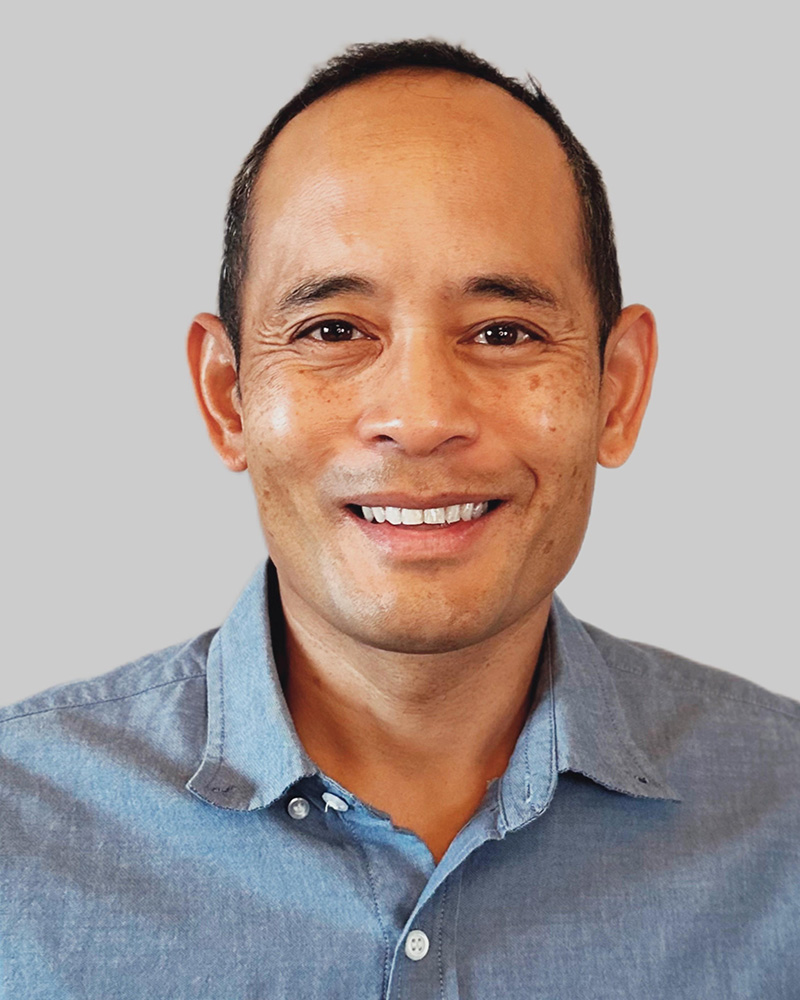 Eddie David is an Associate Director of EHS within the Safety Center of Excellence at Bristol Myers Squibb, a global biopharmaceutical company whose mission is to discover, develop, and deliver innovative medicines to help patients fight serious diseases. At BMS, he has supported EHS programs at the Global, Regional, and site-based level with a focus on improving Biosafety. Prior to his work at BMS, he worked in Hospital/Healthcare as the Biosafety Officer at Cedars-Sinai Medical Center, in academia as the Biosafety Officer at the University of Southern California.
COURSE FEES
ABSA Members: $695 USD ($795 after 8/24)
Nonmembers: $895 USD ($995 after 8/24)
In-person courses are purchased in conjunction with your in-person conference registration.
CONTACT HOURS
This course has been approved for 1.0 CM points toward RBP/CBSP recertification. ABSA International is approved as a provider of continuing education programs in the clinical laboratory sciences by the ASCLS P.A.C.E.® Program. This course is approved for 7.5 P.A.C.E.® contact hours.