




Professional Development Courses
Sunday In-Person Courses
Arthur R. Outlaw Mobile Convention Center—Mobile, Alabama
(in-person courses are in Central Standard Time)
Basic Level Courses: For those new to the profession or would like training in a particular topic.
Intermediate Level Courses: For those with basic knowledge or would like to learn more.
Advanced Level Courses: For those with experience or looking for a challenging course.
Sunday, October 11, 2026, 8:00 am – 5:00 pm
7. Facilities Fundamentals for Biosafety Professionals
This course is aimed at strengthening biosafety professionals knowledge of how facility operations support overall biocontainment operations. Through a mixture of presentations from experts in the field and interactive exercises, attendees will reinforce their knowledge of facility system function and their roles in facility design, construction, and operation. The target audience for the course is biosafety professionals who come with backgrounds other than facilities, and it is open to both newcomers and seasoned veterans in the field. The first portion of the course will familiarize attendees with the general concepts biosafety-related facility design and their roles in it, along with the fundamentals of HVAC system operation in the context of BSL-2 and BSL-3 facilities. Topics in this portion of the course include: the role of biosafety personnel in biocontainment facility design, renovation, and operations, understanding design drawings and related construction documents, what the relationship is of facility features to biosafety levels, and HVAC components and their function relative to biocontainment. This section will end with the introduction of an interactive exercise on reviewing design drawings. The instructors will lead interactive exercises and discussions of more detailed aspects of containment facilities and their operation, including: specific infrastructure, equipment, and systems related to operation of a biocontainment facility; autoclave function, waste management, associated facility infrastructure; room decontamination in relation to facility components; interactions between facilities and containment equipment; security, operations, and biosafety.
Objectives:
- Restate the roles of biosafety professionals in facility design and operation
- Explain practical approaches for reviewing design documents
- Describe the function of discrete facility infrastructure, equipment, and systems related to biocontainment facility operations
Suggested Background:
Fundamentals of Biosafety, Principles and Practices of Biosafety® (PPB), Risk Assessment
Target Audience:
All Biosafety Professionals, All Safety Professionals
Audience Level:
COURSE FACULTY
 Paul Jennette holds Bachelor’s and Master’s Degrees in Environmental Engineering from Cornell and the University of Massachusetts, respectively, and is both a Registered Professional Engineer and a Certified Biological Safety Professional. Since 1999, he has held the position of Biosafety Engineer at the Cornell College of Veterinary Medicine and has also been the Director of Biocontainment Operations there since 2013. Paul’s responsibilities include: design, verification, operation, decontamination, and program management related to Cornell’s BSL-3, ACL-3, and ABSL-3 facilities, which include both research & diagnostic laboratories as well as a BSL-3 large animal necropsy; training all Cornell BSL-3 scientific and support staff and providing direct, in-containment support for BSL-3 diagnostic operations; directing the operations of Cornell’s medical and pathological waste treatment facility, which includes a 5,000-lb/batch carcass digester; serving on Cornell’s Institutional Biosafety Committee and directing the Cornell Vet College Rabies Risk Management Program. Paul serves on biosecurity teams for Select Agent Labs at the Cornell Vet College and provides technical support for the College’s effluent decontamination systems. He served as the American Biological Safety Association’s representative on the ANSI committee to develop a national standard for the verification of BSL-3 facility performance, is a reviewer and lead author of a technical column for the Applied Biosafety journal, and is a member of ABSA’s Professional Development Team. He is a former co-chair of ABSA’s Principles & Practices of Biosafety class as well as a regular instructor for BSL-3 courses offered by the Eagleson Institute and ABSA. In addition to his position at Cornell, Paul provides biocontainment operations consulting services to a variety of academic, governmental, and pharmaceutical clients.
 Stephen Helgren is a Senior Architect and Laboratory Planner for Merrick & Company, with over 24 years of diversified experience in complex life science facilities and extensive expertise in laboratory programming, planning, design, and construction. He has experience with BSL-3 facilities for private companies, public universities, the USDA, and Canadian clients.
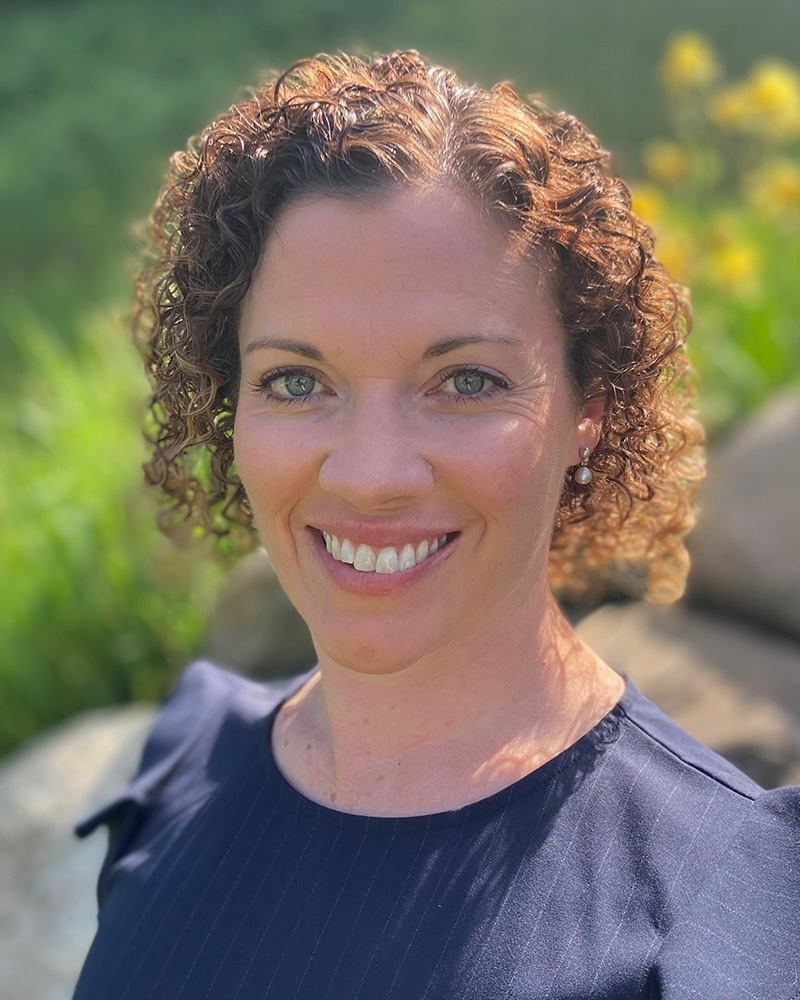 Merrick & Company, Greenwood Village, CO
Carrie Smith is a seasoned biosafety professional with over fifteen years of experience spanning academia, government, and the private sector. As a Senior Scientist at Merrick & Company, she specializes in biosafety and laboratory operations planning, helping clients design and transition laboratories through new constructions, renovations, and strategic upgrades. Her expertise also extends to training, biosafety program development, standard operating procedures (SOPs), manuals, decontamination strategies, and other critical biosafety initiatives. Before joining Merrick, Carrie held key roles in biosafety leadership, serving as BSO and ARO at Oklahoma State University, a biosafety specialist and trainer at the University of Wisconsin-Madison, and BSO and ARO at the USGS National Wildlife Health Center. She earned her undergraduate degree in Biology with a concentration in Biotechnology from the University of Delaware and went on to complete her PhD in Genetics at North Carolina State University, where her research encompassed recombinant bacteria, viruses, fungi, plants, and biological toxins. Throughout her career, Carrie has successfully led both small and large biosafety programs, demonstrating expertise in BSL-3/ABSL-3 oversight, atypical animal biocontainment, select agent program management, recombinant technology, plant biosafety, diagnostic laboratory protocols, and the development of online and in-person training. In addition to her professional contributions, she is deeply involved in educational initiatives, serving as an instructor for ABSA’s Principles & Practices of Biosafety Course, teaching the ABSA BSL-3 Operations and Management professional development course, and actively participating in the Preconference Course Committee.
COURSE FEES
ABSA Members: $695 USD ($795 after 8/24)
Nonmembers: $895 USD ($995 after 8/24)
In-person courses are purchased in conjunction with your in-person conference registration.
CONTACT HOURS
This course has been approved for 1.0 CM points toward RBP/CBSP recertification. ABSA International is approved as a provider of continuing education programs in the clinical laboratory sciences by the ASCLS P.A.C.E.® Program. This course is approved for 7.5 P.A.C.E.® contact hours.
Sunday, October 11, 2026, 8:00 am – 5:00 pm
8. Facility Commissioning and Recommissioning for the BSL-3 Laboratory
The biosafety professional can assist with the start-up or maintenance of laboratory operations in support of their biosafety programs by understanding the commissioning and recommissioning processes. Laboratory commissioning, identified in containment guidance documents, is a quality assurance process for the effective functioning of biocontainment laboratories. The biosafety officer and other decision makers benefit by having a basic understanding of the commissioning and recommissioning processes and resulting documentation. This course will review the phases of the new facility commissioning process and similar process for recommissioning. This knowledge base allows the biosafety professional to recognize how commissioning assists in providing and documenting a properly operating facility. A review of the secondary containment features of the BSL-3 laboratory will be discussed and note specific issues typically observed. There will be a focus on two issues, the reversal of directional airflow and sealing of surfaces and penetrations. Attendees will consider methods to identify the issues and present some specific mitigations of these issues; can actively participate in the commissioning/recommissioning processes and understand the methodology, the tools, results, and their interpretation; will know their facility operates correctly, its limitations, and the risk when it does not. This knowledge allows the biosafety professional to check or back check the containment spaces’ performance and use this knowledge to perform daily inspections for maintenance or replacement and control risk to the lowest level. The biosafety professional can identify required features in a new laboratory or review an existing lab with a better understanding of typical issues to assure safe reliable operations.
Objectives:
- Develop an understanding of the overall commissioning and recommissioning processes for containment labs
- Describe the engineering controls required and effectively participate in the processes
- Identify typical issues observed during commissioning/recommissioning of the laboratory secondary containment barriers and the options for practical solutions to those issues
- Demonstrate a knowledge base and provide documentation to better perform daily inspections to reduce risk for safe and reliable laboratory operations
Suggested Background:
None
Target Audience:
All Safety Professionals, Laboratory Workers, Operations and Maintenance Personnel
Audience Level:
COURSE FACULTY
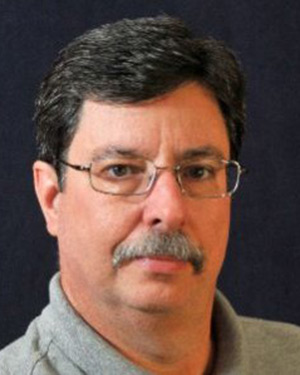 Joby Evans has over 35 years in facilities commissioning, support, design, engineering, energy management, and processes for consulting engineering firms, performance contracting group, natural gas distributor, and an international architect/developer. Mr. Evans is proficient in commissioning and in recommissioning high-containment facilities, analyzing the interaction between designs and energy consumption in commercial and industrial facilities and has extensive experience in building commissioning and system design and coordination. He has performed commissioning for BSL-4, BSL-3Ag, BSL-3 laboratories using BMBL, NIH, WHO, ANSI biosafety guidelines. His work has been in the United States and in international locations. Mr. Evans has performed re-commissioning and retro-commissioning on many non-containment facilities including headquarters facilities, hangers, office buildings, etc. He is a Registered Professional Engineer, Licensed Mechanical Contractor, Certified Building Commissioning Professional, Certified Energy Manager, Certified Green Building Engineer, and Guiding Principles Compliance Professional.
COURSE FEES
ABSA Members: $695 USD ($795 after 8/24)
Nonmembers: $895 USD ($995 after 8/24)
In-person courses are purchased in conjunction with your in-person conference registration.
CONTACT HOURS
This course has been approved for 1.0 CM points toward RBP/CBSP recertification. ABSA International is approved as a provider of continuing education programs in the clinical laboratory sciences by the ASCLS P.A.C.E.® Program. This course is approved for 7.5 P.A.C.E.® contact hours.
Sunday, October 11, 2026, 8:00 am – 5:00 pm
9. From Risk Assessment to Decision Making: Biosafety Case Studies in Practice
Risk assessments rarely follow a simple checklist. “It depends” is the phrase biosafety professionals typically use when starting a risk assessment, especially in research environments where new technologies and innovations are constantly emerging. This interactive workshop invites mid‑level and experienced biosafety professionals to collaboratively explore thought‑provoking, real‑world scenarios in a supportive and safe environment, offering a peer‑driven experience that goes beyond a traditional risk assessment lecture. This hands‑on course builds on attendees’ existing knowledge to apply risk assessment principles to challenging laboratory procedures and requests encountered in research institutions, using small‑group work on real case studies to identify biological hazards, evaluate risks, develop practical mitigation strategies, and identify resources available for effective assessments and where to go when written guidance or resources aren’t enough! The goal isn’t to find one single “correct” answer, but to share perspectives, learn from peers, and strengthen decision-making skills in a group setting. This course provides a networking opportunity to exchange ideas, expand practical knowledge, and gain confidence in tackling complex risk assessments in today’s evolving biomedical research landscape. Please bring your ideas, questions, and professional experience—active participation and diverse perspectives are encouraged.
Objectives:
- Develop a tool kit of resources needed to complete risk assessments in laboratory settings
- Apply critical thinking to assess hazardous material handling scenarios with multiple potential outcomes
- Demonstrate increased confidence and competence by effectively completing complex biosafety risk assessments and engaging in professional networking through structured peer discussions and collaborative activities
Suggested Background:
Biosafety and Biosecurity Training Course® (BBTC), BSL-3 Operations and Management, Fundamentals of Biosafety, Principles and Practices of Biosafety® (PPB)
Target Audience:
All Safety Professionals, Experienced Biosafety Professionals, Facility Managers and Laboratory Managers
Audience Level:
COURSE FACULTY
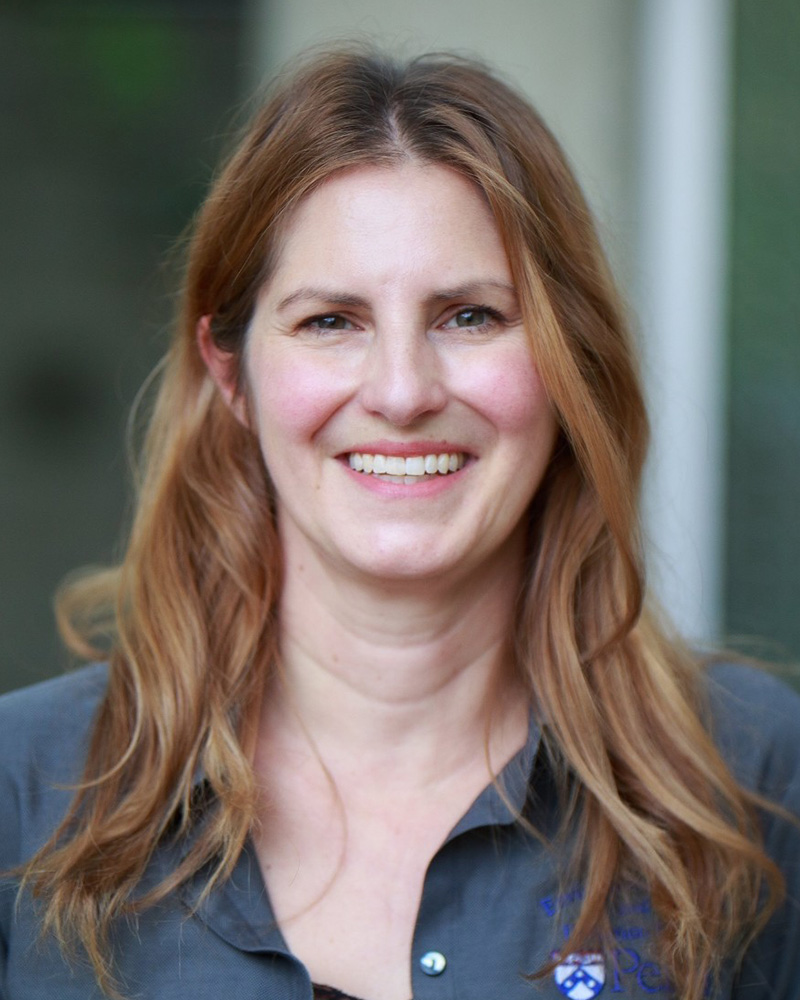 University of Pennsylvania, Philadelphia, PA
Stephanie Adams-Tzivelekidis holds a Master of Science degree from the University of Hohenheim in Stuttgart, Germany, and brings over a decade of experience in research and clinical laboratory settings. She served as a laboratory manager for eight years at the University of Pennsylvania in the Departments of Genetics and Biomedical Sciences and previously worked in Clinical Genetics in Germany for three years. For the past three years, Stephanie has been part of the University of Pennsylvania’s Biosafety team as an Assistant Biosafety Officer and earned her Registered Biosafety Professional (RBP) credential in May 2025. In her current role, she oversees the Biological Registry and laboratory inspections, conducts risk assessments, and reviews IACUC protocols and IBC registrations. She also leads key initiatives, including the Permissible Amounts Select Agent Toxin Program, the Field Safety Program, and the Pre-Lab Inspection Town Halls.
COURSE FEES
ABSA Members: $695 USD ($795 after 8/24)
Nonmembers: $895 USD ($995 after 8/24)
In-person courses are purchased in conjunction with your in-person conference registration.
CONTACT HOURS
This course has been approved for 1.0 CM points toward RBP/CBSP recertification. ABSA International is approved as a provider of continuing education programs in the clinical laboratory sciences by the ASCLS P.A.C.E.® Program. This course is approved for 7.5 P.A.C.E.® contact hours.
Sunday, October 11, 2026, 8:00 – 12:00 pm
10. Exercising Training: Using Impactful Interactive Experiences to Enhance Biorisk Management Learning
This course will reinforce the importance of using diverse teaching methods to enhance biorisk management learning. The central goal of this course is to provide a mechanism to extend discussion and awareness of critical educational topics by utilizing exercises that provide a chance for attendees to practice, lead, and teach as part of their learning. All exercise components are systematically designed and documented to enhance knowledge retention and learning outcomes beyond those achieved through passive biorisk management presentations alone. The instructor will use and demonstrate a number of exercise methods that can be utilized as presented or as a framework for the development or update to site-specific exercises at the attendee’s institution. The exercises provided have encouraged participant engagement during the instructor-led biorisk management training. Attendees will engage in select hands‑on exercises to gain practical experience and will receive a library of training exercises for potential integration into their existing courses.
Objectives:
- Apply the foundational training principles through the use of real‑world examples and small‑group activities
- Develop hands-on practical exercises to help reinforce important biorisk management teaching items
- Identify different techniques that can be modified to fit site-specific training needs in a variety of venues
- Demonstrate engagement in existing training by integrating appropriate exercises and drills into current course content
Suggested Background:
Fundamentals of Biosafety
Target Audience:
Mid-Experienced Biosafety Professionals, All Safety Professionals
Audience Level:
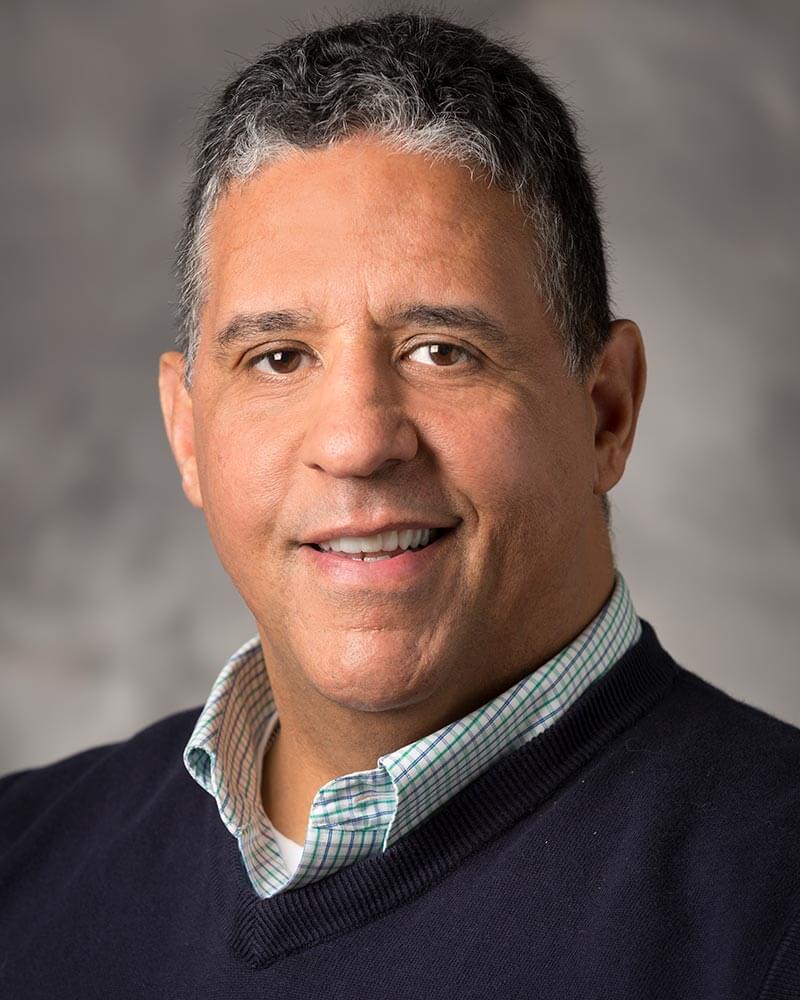
COURSE FACULTY
COURSE FEES
ABSA Members: $475 USD ($525 after 8/24)
Nonmembers: $575 USD ($625 after 8/24)
In-person courses are purchased in conjunction with your in-person conference registration.
CONTACT HOURS
This course has been approved for 0.5 CM points toward RBP/CBSP recertification. ABSA International is approved as a provider of continuing education programs in the clinical laboratory sciences by the ASCLS P.A.C.E.® Program. This course is approved for 3.5 P.A.C.E.® contact hours.
Sunday, October 11, 2026, 8:00 am – 12:00 pm
11. Handling Critical Situations in Laboratories and Clinical Areas
Laboratories and healthcare environments operate in increasingly complex risk landscapes shaped by emerging pathogens, rapidly evolving technologies, global research collaboration, and changing epidemiological conditions. Regardless of location or resources, laboratories must be prepared to anticipate, prevent, and respond effectively to critical situations that may threaten personnel safety, institutional operations, and public health. This course provides a modern, risk-based framework for preparedness and response to emergencies in laboratory and clinical settings. While biological risk assessments help identify hazards and mitigation measures, they do not eliminate the possibility of incidents. Institutions must develop adaptive preparedness strategies supported by structured training, clear communication, and coordinated response procedures. Attendees will examine how emergency preparedness plans should function as living documents, continuously improved through lessons learned from incidents, evolving technologies, and international best practices. The course addresses a wide range of potential emergencies encountered in laboratories and healthcare facilities, including biological exposures, chemical or radioactive spills, medical emergencies, security incidents, natural disasters, and occupational injuries. Attendees will learn to integrate risk assessment into emergency planning while evaluating personnel readiness and strengthening institutional preparedness, with emphasis on communication, coordination, and decision‑making during critical situations. The course incorporates case studies, real-world incident analyses, and scenario-based exercises that allow attendees to apply risk assessment and emergency response principles to realistic situations while exchanging experiences across institutions and countries.
Objectives:
- Identify and categorize potential laboratory or clinical emergency scenarios, including biological, chemical, medical, security, and natural hazards
- Conduct risk assessments of laboratory and clinical processes to identify hazards, evaluate potential impacts, and assess personnel competence in recognizing and managing risks
- Apply risk-informed communication and decision-making strategies to support coordinated incident response and promote a culture of safety, preparedness, and continuous improvement
Suggested Background:
Fundamentals of Biosafety, Principles and Practices of Biosafety® (PPB), Risk Assessment
Target Audience:
New Biosafety Professionals, All Safety Professionals, Laboratory Workers
Audience Level:
COURSE FACULTY
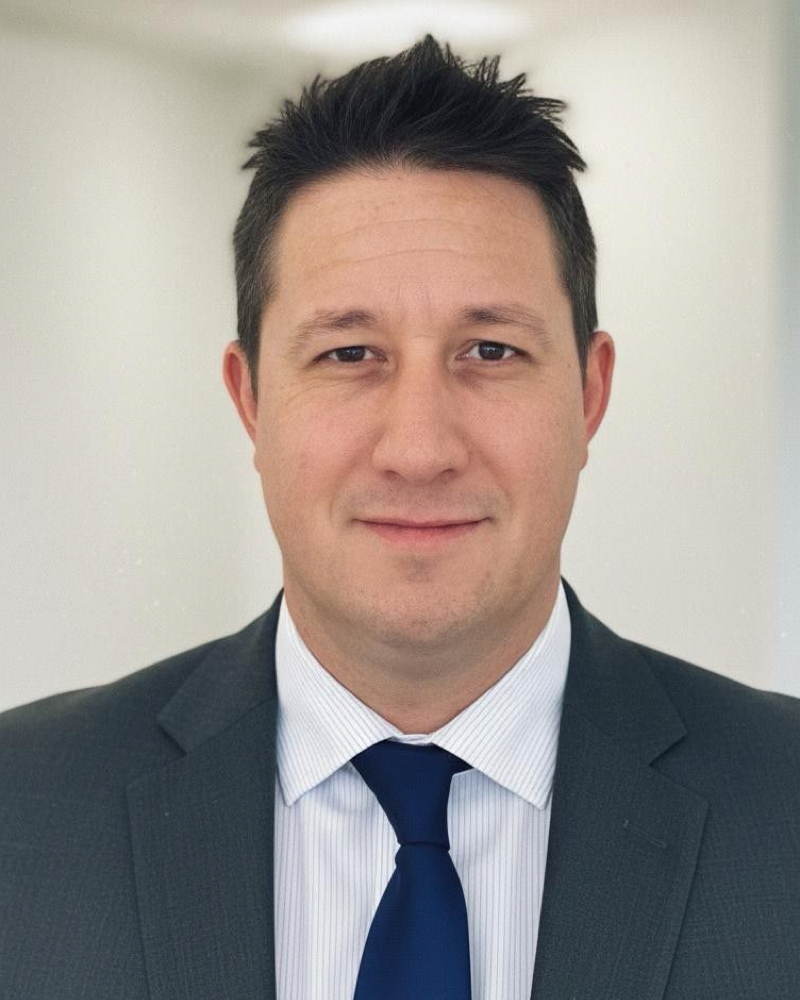 Michigan State University, Lansing, MI
Luis Alberto Ochoa Carrera, MSc, MRM, IFBA-CP, is an internationally recognized biosafety and biosecurity professional whose career bridges laboratory practice, public health preparedness, high-containment operations, and global capacity building. He currently serves as High-Containment Laboratory and Pandemic Safety Manager at Michigan State University, where he supports institutional biosafety, biocontainment, emergency preparedness, and the safe conduct of research involving biological hazards. Before joining Michigan State University, Mr. Ochoa Carrera served as Director of the Epidemiological Surveillance and Research Laboratory Network at the Mexican Institute for Social Security and as BSL-3 Laboratory Coordinator at Mexico’s National Institute for Epidemiological Diagnosis and Reference. His earlier scientific experience included clinical virology, molecular diagnostics, infectious diseases, antimicrobial resistance, and laboratory responses to emerging biological threats. Mr. Ochoa Carrera is a former President of ABSA International and a founding member and Past President of the Mexican Biosafety Association. Through these leadership roles, he has helped strengthen professional networks and advance biosafety as a scientific discipline across North America, Latin America, the Caribbean, and the global community. He currently serves on the World Health Organization Technical Advisory Group on Biosafety, the Board of Directors of the International Federation of Biosafety Associations, and as IFBA Coordinator for Latin America and the Caribbean. He is also a Senior Advisor to the Global Health Security Fund and contributes to BioPREVAIL’s mission of preparing biosafety professionals worldwide. His international work has supported organizations and professionals across the Americas, Africa, Asia, Europe, and the Middle East. Certified by IFBA in six technical disciplines, his expertise encompasses biorisk management, biological risk assessment, biosecurity, cyberbiosecurity, biocontainment facilities, and biosafety cabinets. His career reflects a sustained commitment to transforming biosafety from an institutional requirement into a shared global responsibility.
Brazilian Society for Biosafety and Biosecurity (SB3)
Vicosa, Brazil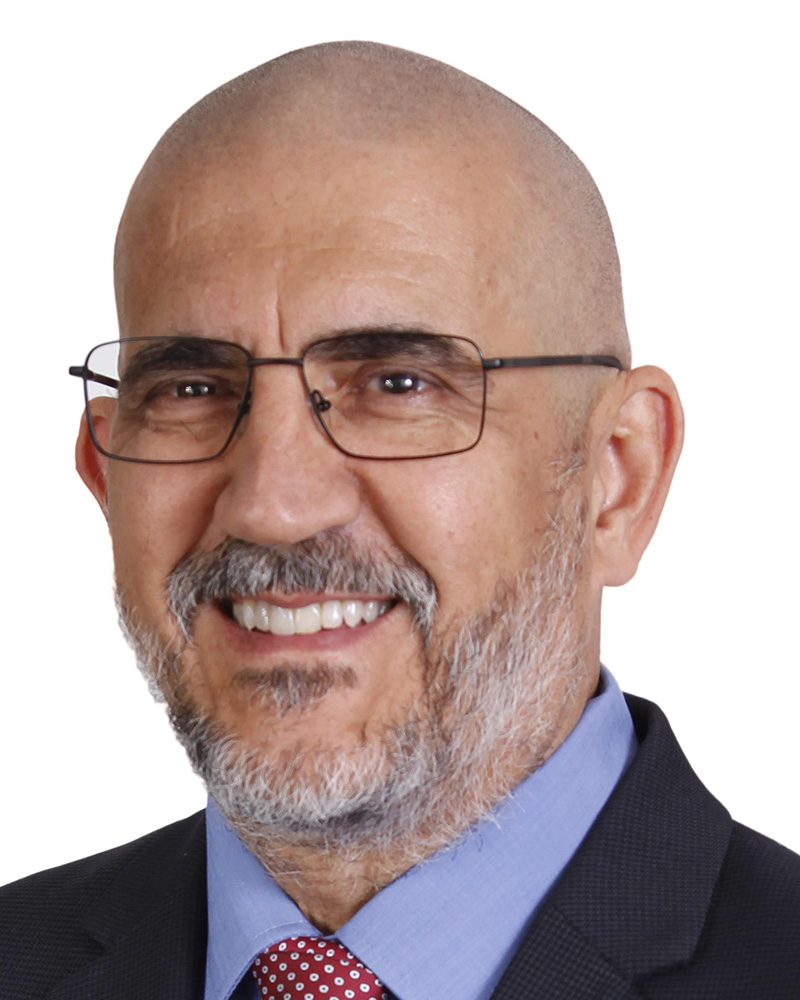
Dr. Mafra is a veterinarian (Federal University of Viçosa, 1988) with a Master’s in Parasitology (UFMG, 1991) and a PhD in Biological Sciences (Biochemistry) from UFRGS (1998). He completed postdoctoral training at the University of Texas Medical Branch in Galveston, USA, focusing on biodefense and emerging infectious diseases. As a retired full professor at the Department of Biochemistry and Molecular Biology at UFV, he continues as a professor and advisor in the Applied Biochemistry graduate program. His extensive expertise includes biosafety, parasitic diseases, parasite biochemistry and molecular biology, bioinformatics, and molecular epidemiology, with research emphasis on ticks, tick-borne diseases, and the complex interactions among pathogens, vectors, hosts, and the environment. Dr. Mafra has held multiple leadership roles, including Vice-President of ANBio, President of the Brazilian Society for Biosafety and Biosecurity (SB3), and President of the Certification Body of IFBA (Canada). He is a member of several national and international working groups, such as Brazil’s Maximum Biocontainment Facility Workgroup and CEPI’s Biorisk Working Group (Norway). He collaborates with institutions, including the Ministry of Health, PAHO, iGEM Foundation, and the Galveston National Laboratory (UTMB). He has consulted for organizations like ABNT, CNPq, FINEP, FAPESP, and the OAS on bioterrorism. An active researcher, Dr. Mafra has authored over 70 scientific articles, multiple books, patents, and software registrations. He has also guided numerous theses and postdoctoral projects. His career reflects a sustained commitment to advancing biosafety, biocontainment, and public health, contributing to national preparedness and global biosecurity efforts.
COURSE FEES
ABSA Members: $475 USD ($525 after 8/24)
Nonmembers: $575 USD ($625 after 8/24)
In-person courses are purchased in conjunction with your in-person conference registration.
CONTACT HOURS
This course has been approved for 0.5 CM points toward RBP/CBSP recertification. ABSA International is approved as a provider of continuing education programs in the clinical laboratory sciences by the ASCLS P.A.C.E.® Program. This course is approved for 3.5 P.A.C.E.® contact hours.
Sunday, October 11, 2026, 8:00 am – 12:00 pm
12. Introduction to Robotics and Artificial Intelligence for Biosafety Professionals
Artificial intelligence (AI) and robotics have advanced to the point of serving as useful tools in biomedical research, including research involving biohazardous materials. AI is frequently utilized to aid researchers in writing and preparing presentations. Recently, AI has shown to be as competent as PhD level microbiologists in troubleshooting microbiological experiments. This course will introduce robotics and AI to biosafety professionals within the context of biomedical research and research oversight. The course will include several videos to demonstrate concepts and start discussions about feasibility, safety, security, potential for misuse, and ethics.
Objectives:
- Summarize the fundamentals of robotics as they apply to the laboratory setting and biosafety
- Paraphrase the fundamentals of AI
- Discuss how robotics and AI can impact experimental design, risk assessments, laboratory culture, scientific writing and IBC review
Suggested Background:
None
Target Audience:
All Safety Professionals, Laboratory Workers, Anyone involved in IBC, IACUC, or IRB review
Audience Level:
COURSE FACULTY
 Advarra, Research Triangle Park, NC
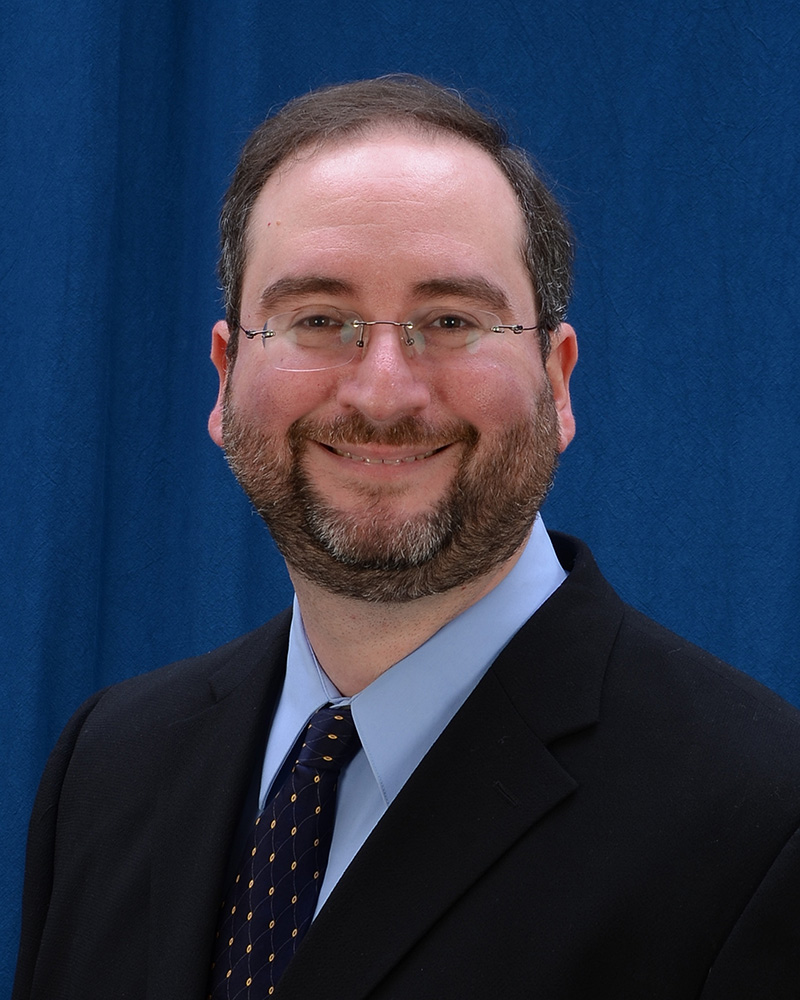
Dan Eisenman is Executive Director of Biosafety Services at Advarra, a large clinical research compliance company. Dan heads a commercial IBC overseeing over 1,600 clinical and basic science research sites. Prior to joining Advarra Dan was the Biosafety Officer at the Medical University of South Carolina and UNC Chapel Hill. Dan holds a PhD in molecular biology and immunology, various biosafety certifications (RBP, SM(NRCM), CBSP) and a Regulatory Affairs Pharmaceuticals certificate from the Regulatory Affairs Professionals Society (RAPS). He is a member of the Editorial Board for Applied Biosafety and frequently speaks at major conferences on topics involving biosafety, gene therapy and clinical trials.
COURSE FEES
ABSA Members: $475 USD ($525 after 8/24)
Nonmembers: $575 USD ($625 after 8/24)
In-person courses are purchased in conjunction with your in-person conference registration.
CONTACT HOURS
This course has been approved for 0.5 CM points toward RBP/CBSP recertification. ABSA International is approved as a provider of continuing education programs in the clinical laboratory sciences by the ASCLS P.A.C.E.® Program. This course is approved for 3.5 P.A.C.E.® contact hours.
Sunday, October 11, 2026, 1:00 – 5:00 pm
13. Nanoparticles in Modern Science – Understanding Hazards, Controls, and Safe Practices
Nanotechnology is revolutionizing many areas of modern life, offering innovative solutions across medicine, science, engineering, and technology. Nanoparticles (NPs), with their unique properties, are defined by composition, size, shape, and surface characteristics, hold significant promise in these fields. However, these same properties present challenges in recognizing, evaluating, and mitigating potential environmental, health, and safety risks associated with the production and application of nanoparticles. This course introduces the types, properties, production and synthesis of nanoparticles, focusing on their interactions with biological systems and associated chemicals, as well as potential implications of radiolabeled nanoparticles. This understanding is crucial for developing effective risk assessment and mitigation strategies for both in-vivo and in-vitro applications. It covers biosafety, biosecurity, and occupational health risks, emphasizing hazard identification, control measures, and knowledge gaps in nanotechnology. The case studies will be based on published research and will be presented in a structured format that helps attendees understand the complexity of real-world nanotechnology projects. Through case studies and interactive exercises, attendees will explore best practices for safe handling, waste management, exposure assessment, and transport of nanoparticles. These hands-on activities will reinforce key concepts, fostering peer learning and collaboration. Adequate time, along with a risk assessment template, will be provided for team-based risk assessments and the development of safety recommendations.
Objectives:
- Identify common types of nanoparticles and their key properties
- Evaluate potential risks and safety concerns associated with the production and use of nanoparticles, including occupational exposure and environmental impacts
- Develop and implement effective risk management strategies for laboratory projects involving nanoparticles, including hazard identification, exposure controls, and best practices for safe handling, waste disposal, and transport
Suggested Background:
None
Target Audience:
New Biosafety Professionals, All Safety Professionals, Animal Caretakers, Lab Safety Professionals
Audience Level:
COURSE FACULTY
 Dr. Maya Nair is the Director of Biological Safety at the University of North Texas Health Science Center (UNTHSC) in Fort Worth, Texas, where she also serves as the Biosafety and Assistant Radiation Safety Officer. In this capacity, she oversees a broad range of safety programs, including biosafety, radiation safety, DEA-controlled substances, animal safety, laser safety, and risk management.Dr. Nair has been instrumental in establishing and leading the UNTHSC Biosafety Program and has served as the Biosafety Officer for the past 18 years. She has also held the role of Reviewing Official for the institution’s Increased Control Program. With over 25 years of experience in biomedical research, Dr. Nair’s scientific background is focused on nanoparticle-based targeted drug delivery systems for cancer therapy. She has presented her research at numerous national and international conferences and has authored several peer-reviewed publications and book chapters on the application of nanoparticles in the biomedical field.In addition to her scientific contributions, Dr. Nair is passionate about education and training. She has developed and taught graduate-level safety courses for public health students and has mentored many students in the field of Environmental Health and Safety. She is an active member of UNTHSC’s Institutional Compliance Group, contributing to policy development and review, and collaborates with key committees such as the Institutional Animal Care and Use Committee (IACUC) and Institutional Review Board (IRB). Dr. Nair also serves as an external reviewer for Institutional Biosafety Committees (IBCs) at other institutions.Dr. Nair has been an active member of the American Biological Safety Association (ABSA) International since 2007, serving on various committees and task force. She served as the Chair of the Training Tools Committee for 2020-2025. She is also a member of the Southern Biosafety Association. Her professional interests include the effective management of comprehensive safety programs and exploring the impact of emerging technologies on safety and security.
COURSE FEES
ABSA Members: $475 USD ($525 after 8/24)
Nonmembers: $575 USD ($625 after 8/24)
In-person courses are purchased in conjunction with your in-person conference registration.
CONTACT HOURS
This course has been approved for 0.5 CM points toward RBP/CBSP recertification. ABSA International is approved as a provider of continuing education programs in the clinical laboratory sciences by the ASCLS P.A.C.E.® Program. This course is approved for 3.5 P.A.C.E.® contact hours.
Sunday, October 11, 2026, 1:00 – 5:00 pm
14. Lessons Learned to Improve Biosafety
Preventing laboratory-acquired infections (LAIs) is a challenge for laboratory managers and biosafety professionals, especially when dealing with an emerging pathogen. It is extremely important to quickly determine if there has been an exposure, how many may have been exposed, what steps need to happen next, including any prophylaxis, root cause analysis, gaps in the biosafety plan, and additional mitigation measures that need to be implemented. This interactive course will examine published papers from the ABSA LAI Database on laboratory acquired infections and exposures to determine what we can learn to prevent future exposures. Attendees will thoroughly examine the literature on the history of lab-acquired infections, review specific published articles, utilize the Association of Public Health Laboratories (APHL) ‘Laboratory Exposure Assessment and Symptom Monitoring Guide’ (exposure assessment tool) to assess exposures, analyze data to identify root causes of exposures, discuss identified gaps, and establish additional steps required to mitigate risks. Attendees will be equipped with the skills to assess and mitigate exposure risks using the APHL Exposure Assessment Tool. Attendees will engage in scenario-based group exercises, applying a structured process to evaluate potential exposures, conduct root cause analyses, identify procedural gaps, and develop effective mitigation strategies. Through hands on practice and guided instruction, attendees will learn to incorporate published data on laboratory acquired infections (LAIs) to strengthen biosafety protocols, with particular emphasis on managing risks associated with emerging pathogens.
Objectives:
- Describe how the ABSA LAI database can be used for biosafety training and determining how to safely work with emerging pathogens
- Utilize the APHL exposure assessment tool to assess real-life laboratory incidents for potential exposures and to help guide prophylaxis if indicated
- Analyze actual laboratory incidents to determine the root cause and what steps are necessary to mitigate future incidents
Suggested Background:
Fundamentals of Biosafety, Risk Assessment
Target Audience:
All Safety Professionals, Laboratory Workers
Audience Level:
COURSE FACULTY
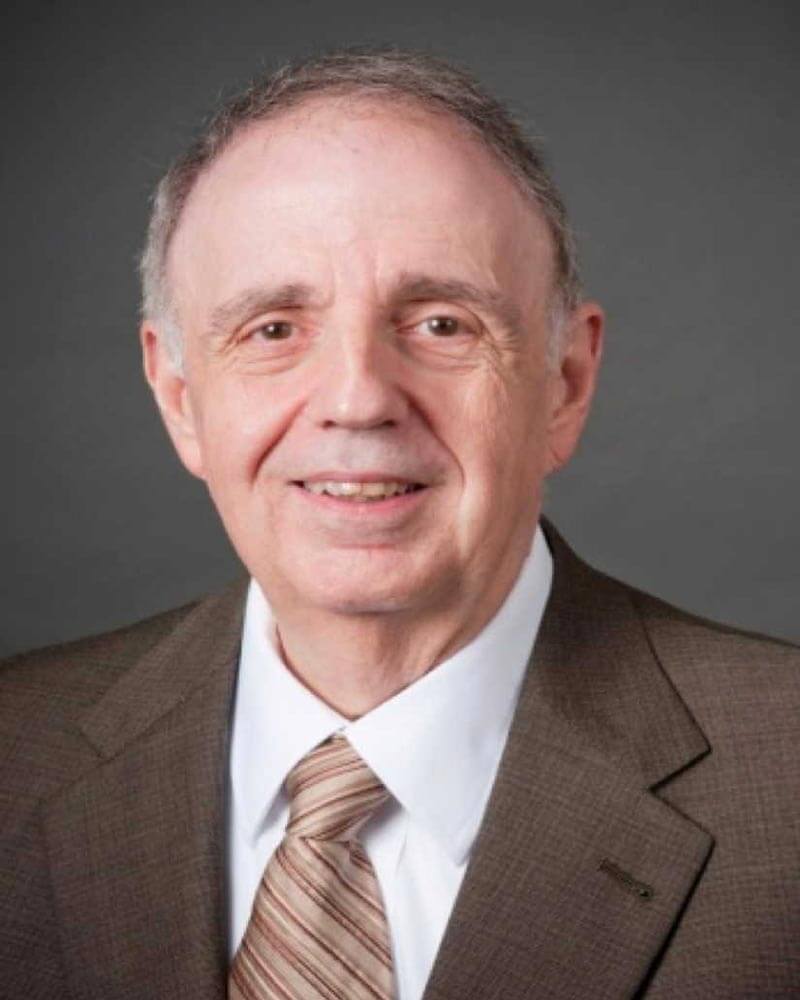 Dr. Pentella is a Clinical Professor at the University of Iowa, College of Public Health and Director of the Iowa State Hygienic Laboratory. His experience spans over forty years in clinical microbiology and public health laboratories. He is certified as an American Board of Medical Microbiology Diplomate, a specialist in microbiology through the American Society for Clinical Pathology and certified in infection control through the Association of Professionals in Infection Control. Dr. Pentella is a member of the APHL Biosafety and Biosecurity Committee, Antibiotic Resistance Lab Workgroup, the Infectious Disease Committee, and the Respiratory Viruses Subcommittee. He has made several contributions that have improved the practice of clinical microbiology and biosafety. He has written over 50 articles and twenty book chapters.
 Shoolah Escott is currently an independent, Biosafety, Biosecurity, and Bioterrorism Preparedness Trainer and a COVID-19 Contact Tracer with Partners In Health. She was the Biosafety Manager and ARO at the MA State Public Health Laboratory for over 2 years where she provided biosafety training and support to over 50 clinical laboratories and to internal public health laboratory staff. She worked for APHL/CDC National Laboratory Training Network, CDC Laboratory Training Branch for over 17 years developing, implementing, delivering, and presenting national training programs in biosafety, biosecurity and bioterrorism preparedness. She has a strong background in clinical microbiology and was the safety officer for the Memorial Hospital clinical laboratory. Currently, she serves on several ABSA and APHL committees. Here are a few key biosafety accomplishments: What Constitutes an Effective Biosafety Plan at the World Microbe Forum; Biosafety and Biosecurity: Minimizing the Risks in the Laboratory and Clinical Laboratory Biosafety Risk Assessment seminars presented nationally multiple times; and the lead on the initial development and revision of the Clinical Laboratory Preparedness and Response Guide.
 New York State Department of Health, Albany, NY
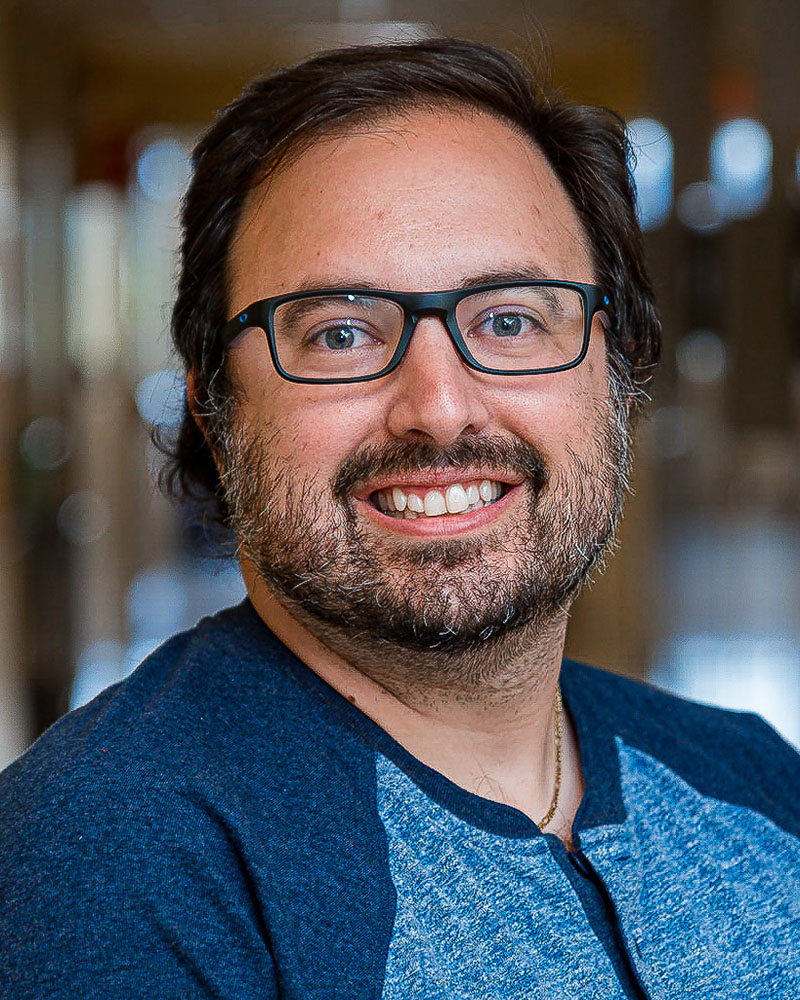
Michael Perry is the Associate Director of the Biodefense Laboratory at the New York State Department of Health – Wadsworth Center and ARO. Michael has been at the NYS since 2009. Michael serves as a member of the Association of Public Health Laboratories (APHL) Biosafety and Biosecurity Committee, the APHL Public Health Preparedness and Response Committee, and is the chair of APHL Laboratory Operation workgroup. Michael is committed to public health service as is evident by his work supporting CDC’s Global Health program in which he has helped develop and deliver trainings in biosafety and biosecurity with many international partners; more specifically on biological safety cabinet maintenance/operation, implementing a risk management program, and implementing a respiratory protection program.
COURSE FEES
ABSA Members: $475 USD ($525 after 8/24)
Nonmembers: $575 USD ($625 after 8/24)
In-person courses are purchased in conjunction with your in-person conference registration.
CONTACT HOURS
This course has been approved for 0.5 CM points toward RBP/CBSP recertification. ABSA International is approved as a provider of continuing education programs in the clinical laboratory sciences by the ASCLS P.A.C.E.® Program. This course is approved for 3.5 P.A.C.E.® contact hours.
Sunday, October 11, 2026, 1:00 – 5:00 pm
15. IACUC Ready: A Four Hour Bootcamp for Biosafety Professionals
This course will equip biosafety professionals with the basic knowledge and skills to transition seamlessly into Institutional Animal Care and Use Committee (IACUC) service. Through interactive lectures, case studies, role-playing, and hands-on exercises, attendees will learn about the IACUC’s role and responsibilities; the U.S. regulatory framework for research involving animals; and opportunities for biosafety professionals to make impactful contributions to the oversight of these activities. Upon course completion, attendees will have the confidence and basic skills to serve on the committee and leverage their biosafety expertise with the responsible care and use of animals in science.
Objectives:
- Describe the IACUC structure, roles, and regulatory requirements within the current regulatory framework
- Interpret the protocol review process and strategies for incorporating risk assessment of biosafety concerns into the process
- Develop practical skills to contribute effectively as a voting or non-voting IACUC member during the protocol review process, program reviews, facility inspections, and post-approval monitoring program
Suggested Background:
None
Target Audience:
All Biosafety Professionals, All Safety Professionals
Audience Level:
COURSE FACULTY
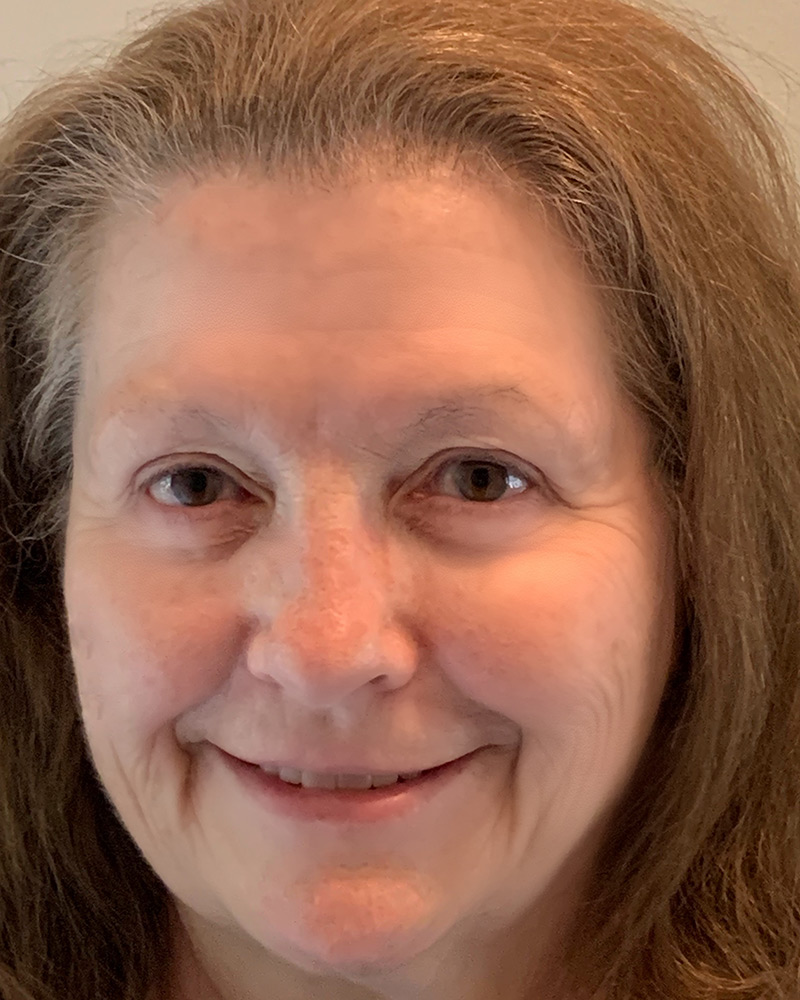 Dr. Susan Harper received her DVM from Louisiana State University and worked in large animal practice for several years before enrolling in a post-doctoral residency in comparative medicine at the Penn State University College of Medicine. She served on the Penn State faculty for 2 years following graduation, before accepting a position with the National Institutes of Health (NIH). She has worked at several different Departments and Agencies during her federal career and currently serves as the Deputy Director for the NIH Office of Animal Care and Use in Bethesda, MD. She is a diplomate of the American College of Laboratory Animal Medicine (ACLAM) and the American College of Veterinary Preventative Medicine (ACVPM); a Registered Biosafety Professional (RBP) through ABSA International; and serves on the AAALAC International Council on Accreditation.
COURSE FEES
ABSA Members: $475 USD ($525 after 8/24)
Nonmembers: $575 USD ($625 after 8/24)
In-person courses are purchased in conjunction with your in-person conference registration.
CONTACT HOURS
This course has been approved for 0.5 CM points toward RBP/CBSP recertification. ABSA International is approved as a provider of continuing education programs in the clinical laboratory sciences by the ASCLS P.A.C.E.® Program. This course is approved for 3.5 P.A.C.E.® contact hours.