




Professional Development Courses
Basic Level Courses
For those new to the profession or would like training in a particular topic.
In-Person Courses
October 10-11, 2026
Arthur R. Outlaw Mobile Convention Center—Mobile, Alabama
(in-person courses are in Central Standard Time)
Saturday, October 10, 2026, 8:00 am – 5:00 pm
1. BSL-3 Operations and Management
This course will review the important aspects of BSL-3 Operations and Management from two points of view; “hardware” (i.e., facilities & equipment issues) and “software” (i.e., administrative controls). It will cover various aspects you need to consider in order to operate a BSL-3 facility, such as training, maintenance support, occupational health, waste management, maintenance, performance verification, and emergency response. The instructors will encourage interaction and the exchange of experiences among the attendees. Regulatory aspects from any specific country, or planning, design, or construction-related issues will not be covered.
Objectives:
- Describe the elements of BSL-3 Operations and Management (risk management, primary barriers, annual performance verification, emergency response, etc.)
- Recognize institutional, management, and user responsibilities
- Summarize approaches to developing manuals, SOPs, and training
Suggested Background:
Basic Risk Assessment and familiarity with BSL-3 Concepts
Target Audience:
Safety Professionals, BSL-3 Managers, Containment Engineers, Lab and Scientific Directors
Audience Level:
COURSE FACULTY
 Paul Jennette holds Bachelor’s and Master’s Degrees in Environmental Engineering from Cornell and the University of Massachusetts, respectively, and is both a Registered Professional Engineer and a Certified Biological Safety Professional. Since 1999, he has held the position of Biosafety Engineer at the Cornell College of Veterinary Medicine and has also been the Director of Biocontainment Operations there since 2013. Paul’s responsibilities include: design, verification, operation, decontamination, and program management related to Cornell’s BSL-3, ACL-3, and ABSL-3 facilities, which include both research & diagnostic laboratories as well as a BSL-3 large animal necropsy; training all Cornell BSL-3 scientific and support staff and providing direct, in-containment support for BSL-3 diagnostic operations; directing the operations of Cornell’s medical and pathological waste treatment facility, which includes a 5,000-lb/batch carcass digester; serving on Cornell’s Institutional Biosafety Committee and directing the Cornell Vet College Rabies Risk Management Program. Paul serves on biosecurity teams for Select Agent Labs at the Cornell Vet College and provides technical support for the College’s effluent decontamination systems. He served as the American Biological Safety Association’s representative on the ANSI committee to develop a national standard for the verification of BSL-3 facility performance, is a reviewer and lead author of a technical column for the Applied Biosafety journal, and is a member of ABSA’s Professional Development Team. He is a former co-chair of ABSA’s Principles & Practices of Biosafety class as well as a regular instructor for BSL-3 courses offered by the Eagleson Institute and ABSA. In addition to his position at Cornell, Paul provides biocontainment operations consulting services to a variety of academic, governmental, and pharmaceutical clients.
 Merrick & Company, Greenwood Village, CO
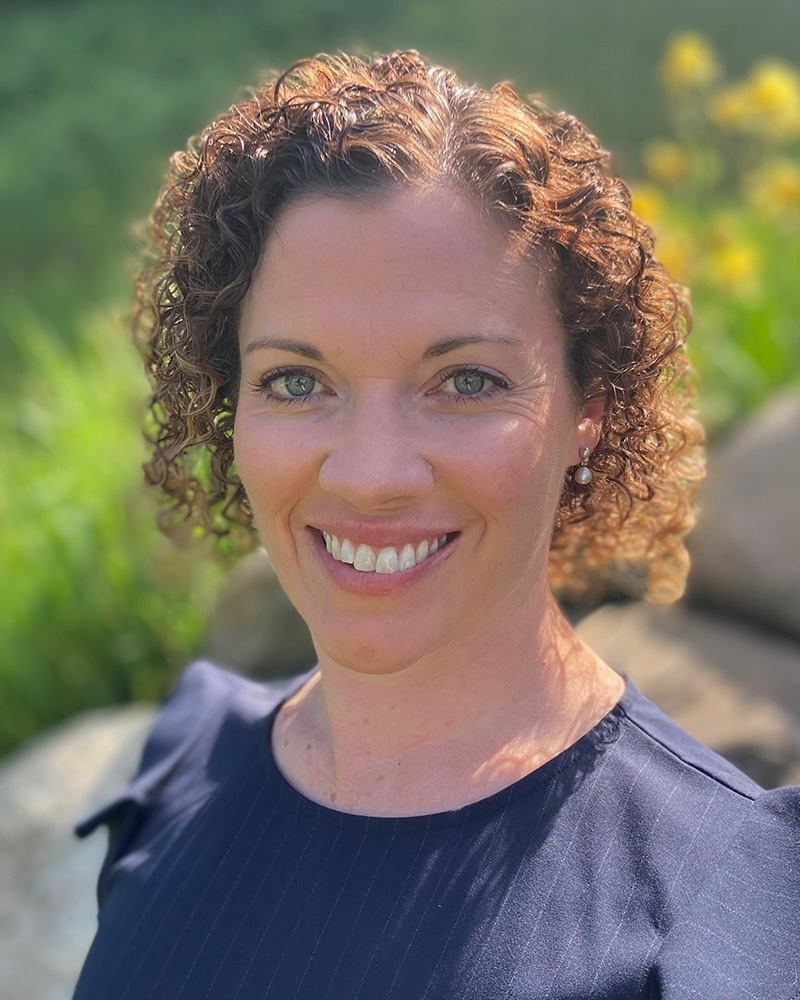
Carrie Smith is a seasoned biosafety professional with over fifteen years of experience spanning academia, government, and the private sector. As a Senior Scientist at Merrick & Company, she specializes in biosafety and laboratory operations planning, helping clients design and transition laboratories through new constructions, renovations, and strategic upgrades. Her expertise also extends to training, biosafety program development, standard operating procedures (SOPs), manuals, decontamination strategies, and other critical biosafety initiatives. Before joining Merrick, Carrie held key roles in biosafety leadership, serving as BSO and ARO at Oklahoma State University, a biosafety specialist and trainer at the University of Wisconsin-Madison, and BSO and ARO at the USGS National Wildlife Health Center. She earned her undergraduate degree in Biology with a concentration in Biotechnology from the University of Delaware and went on to complete her PhD in Genetics at North Carolina State University, where her research encompassed recombinant bacteria, viruses, fungi, plants, and biological toxins. Throughout her career, Carrie has successfully led both small and large biosafety programs, demonstrating expertise in BSL-3/ABSL-3 oversight, atypical animal biocontainment, select agent program management, recombinant technology, plant biosafety, diagnostic laboratory protocols, and the development of online and in-person training. In addition to her professional contributions, she is deeply involved in educational initiatives, serving as an instructor for ABSA’s Principles & Practices of Biosafety Course, teaching the ABSA BSL-3 Operations and Management professional development course, and actively participating in the Preconference Course Committee.
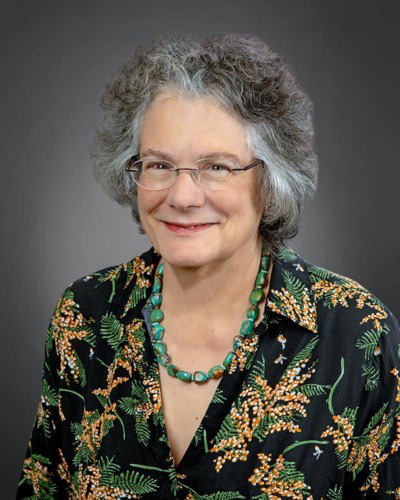 Dee Zimmerman retired from the University of Texas Medical Branch, Environmental Health and Safety. She was the university biosafety officer, director of the health, safety and training core for the University of Texas Medical Branch—Galveston (UTMB) National Laboratory, senior environmental health and safety consultant in the Biological Safety program and served as the university’s select agent program alternate responsible official, IBC member and coordinator. Her duties include working closely with research staff in BSL-2, BSL-3, BSL-4, ABSL-2, 3, and 4 laboratories working closely with research scientists, biocontainment engineers, facility staff and occupational health. Dee was with the University of Texas Medical Branch from 1982 until retiring in 2017. She attended Inter-American University in Puerto Rico and was the lab and safety coordinator for the Marine Ecology Division, Center for Energy and Environmental Research at the University of Puerto Rico. Dee is the 2019 Past President of ABSA International.
COURSE FEES
ABSA Members: $695 USD ($795 after 8/24)
Nonmembers: $895 USD ($995 after 8/24)
In-person courses are purchased in conjunction with your in-person conference registration.
CONTACT HOURS
This course has been approved for 1.0 CM points toward RBP/CBSP recertification. ABSA International is approved as a provider of continuing education programs in the clinical laboratory sciences by the ASCLS P.A.C.E.® Program. This course is approved for 7.5 P.A.C.E.® contact hours.
Saturday, October 10, 2026, 8:00 am – 5:00 pm
2. Basic Risk Assessment
Rapid scientific and technological advances continue to challenge the biosafety community in determining and establishing the practices and containment necessary to avoid exposure to hazardous biological agents and materials found in the laboratory. This introductory course will provide an opportunity to incorporate the basic knowledge and skills necessary to perform risk assessments for working safely with pathogens (human and animal) and rDNA (genetically modified organisms or viral vectors). Using case studies, attendees will work together to conduct risk assessments by determining the hazards involved; the appropriate questions to ask to address the potential risks associated with the intended activities and make recommendations on appropriate containment and practices required to work safely. Each group will present their conclusions from the activity.
Objectives:
- Identify and list determinants for assessing risk (host, environment, agent)
- Complete the steps of a risk assessment and determine steps to manage risk (mitigation)
- Identify resources and references for risk assessment/management
Suggested Background:
Fundamentals of Biosafety
Target Audience:
New Biosafety Professionals, Laboratory Workers, All Safety Professionals
Audience Level:
COURSE FACULTY
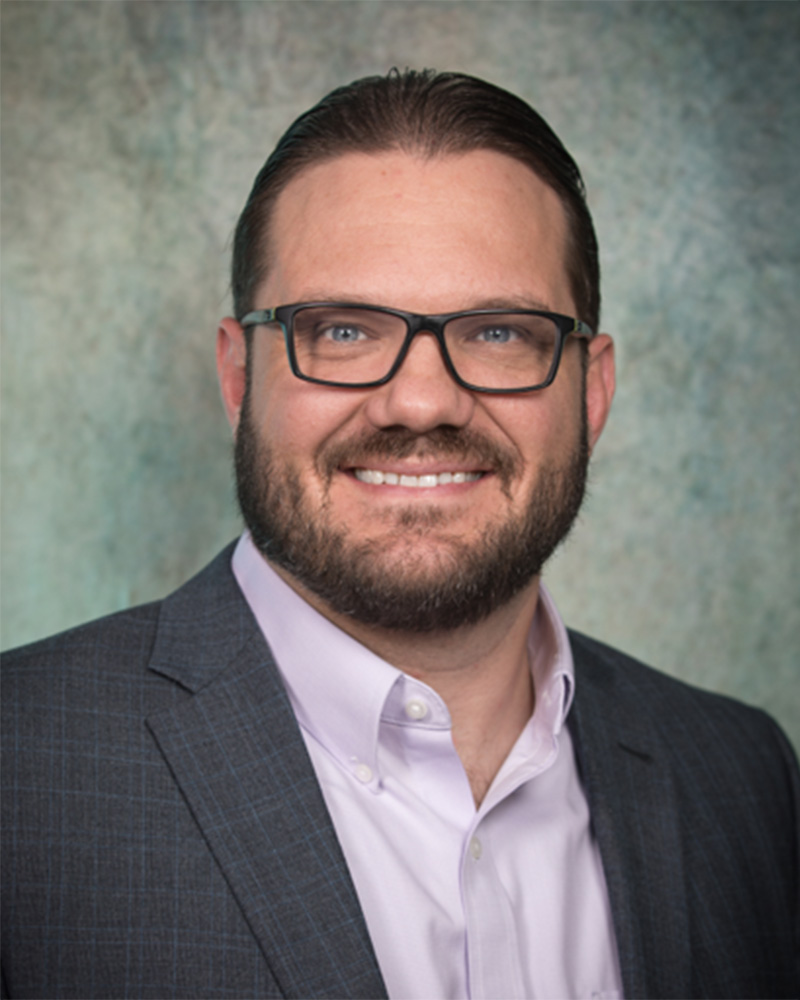
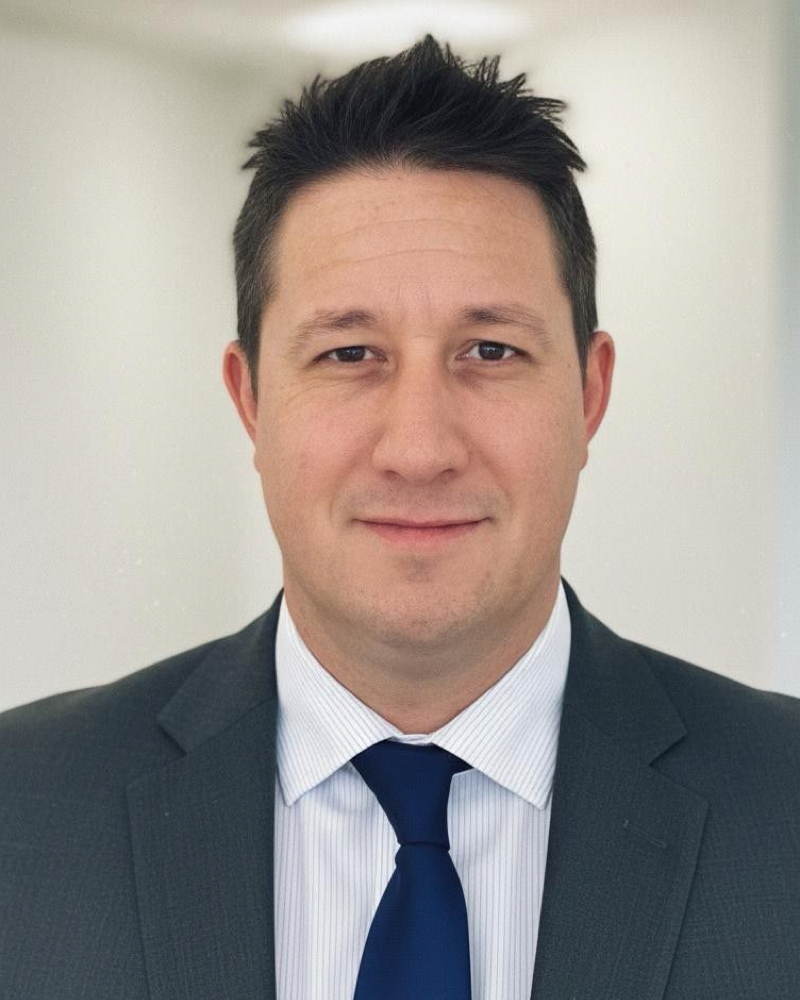 Michigan State University, Lansing, MI
Luis Alberto Ochoa Carrera, MSc, MRM, IFBA-CP, is an internationally recognized biosafety and biosecurity professional whose career bridges laboratory practice, public health preparedness, high-containment operations, and global capacity building. He currently serves as High-Containment Laboratory and Pandemic Safety Manager at Michigan State University, where he supports institutional biosafety, biocontainment, emergency preparedness, and the safe conduct of research involving biological hazards. Before joining Michigan State University, Mr. Ochoa Carrera served as Director of the Epidemiological Surveillance and Research Laboratory Network at the Mexican Institute for Social Security and as BSL-3 Laboratory Coordinator at Mexico’s National Institute for Epidemiological Diagnosis and Reference. His earlier scientific experience included clinical virology, molecular diagnostics, infectious diseases, antimicrobial resistance, and laboratory responses to emerging biological threats. Mr. Ochoa Carrera is a former President of ABSA International and a founding member and Past President of the Mexican Biosafety Association. Through these leadership roles, he has helped strengthen professional networks and advance biosafety as a scientific discipline across North America, Latin America, the Caribbean, and the global community. He currently serves on the World Health Organization Technical Advisory Group on Biosafety, the Board of Directors of the International Federation of Biosafety Associations, and as IFBA Coordinator for Latin America and the Caribbean. He is also a Senior Advisor to the Global Health Security Fund and contributes to BioPREVAIL’s mission of preparing biosafety professionals worldwide. His international work has supported organizations and professionals across the Americas, Africa, Asia, Europe, and the Middle East. Certified by IFBA in six technical disciplines, his expertise encompasses biorisk management, biological risk assessment, biosecurity, cyberbiosecurity, biocontainment facilities, and biosafety cabinets. His career reflects a sustained commitment to transforming biosafety from an institutional requirement into a shared global responsibility.
COURSE FEES
ABSA Members: $695 USD ($795 after 8/24)
Nonmembers: $895 USD ($995 after 8/24)
In-person courses are purchased in conjunction with your in-person conference registration.
CONTACT HOURS
This course has been approved for 1.0 CM points toward RBP/CBSP recertification. ABSA International is approved as a provider of continuing education programs in the clinical laboratory sciences by the ASCLS P.A.C.E.® Program. This course is approved for 7.5 P.A.C.E.® contact hours.
Saturday, October 10, 2026, 8:00 am – 5:00 pm
3. Preparing for and Responding to Laboratory Emergencies – Are you prepared?
Biosafety professionals often provide fundamental training for research and healthcare staff to work safely and respond to potential emergencies involving a wide range of biological hazards. Training employees to proactively identify and take appropriate actions to minimize the likelihood and impact of these types of incidents helps to minimize the development of serious and/or irreversible consequences. This class reviews the process for developing an effective emergency response plan, emphasizing the importance of a comprehensive and well-coordinated training program for laboratory staff, institutional incident response team members, and local first responders (e.g., emergency management services, fire, police, emergency dispatchers) when biological hazards are involved. Specific topics to be addressed include: the basic components of a comprehensive institutional emergency response plan; laboratory-specific contingency plans, emphasizing unique considerations for emergencies that involve biological hazards; staff roles and responsibilities during emergencies; communication strategies and protocols during an emergency event; and training and effective preparedness exercises to ensure a coordinated response effort.
Objectives:
- Review key components of the emergency management cycle as it applies to research institutions and laboratories
- Identify the various roles and responsibilities that are critical to an effective response
- Summarize ways to coordinate and communicate effectively with institutional and local authorities during an emergency
- Develop effective training strategies to ensure a successful response effort
Suggested Background:
Biosafety and Biosecurity Training Course® (BBTC)
Target Audience:
New Biosafety Professionals, All Safety Professionals, Laboratory Workers
Audience Level:
COURSE FACULTY
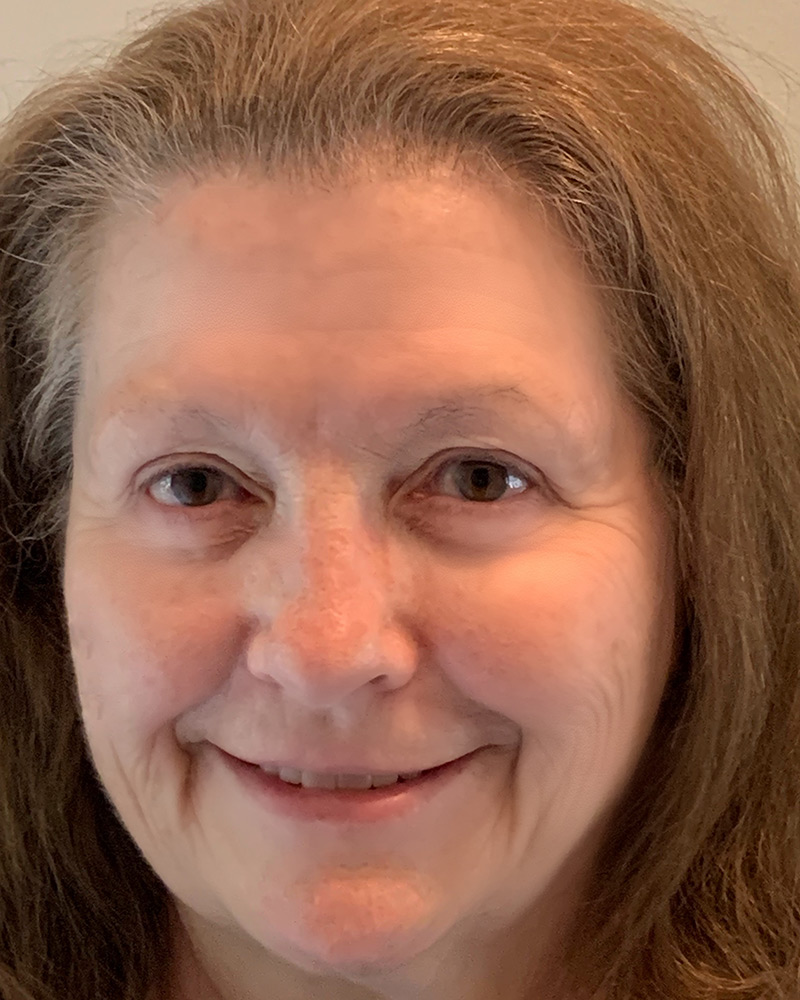 Dr. Susan Harper received her DVM from Louisiana State University and worked in large animal practice for several years before enrolling in a post-doctoral residency in comparative medicine at the Penn State University College of Medicine. She served on the Penn State faculty for 2 years following graduation, before accepting a position with the National Institutes of Health (NIH). She has worked at several different Departments and Agencies during her federal career and currently serves as the Deputy Director for the NIH Office of Animal Care and Use in Bethesda, MD. She is a diplomate of the American College of Laboratory Animal Medicine (ACLAM) and the American College of Veterinary Preventative Medicine (ACVPM); a Registered Biosafety Professional (RBP) through ABSA International; and serves on the AAALAC International Council on Accreditation.
 Deborah Howard is the Expert, Global Environment, Health & Safety Biological Materials Manager for BASF where she has oversight of greenhouses, laboratories, inoculant, & fermentation sites. She has been the Biosafety Manager at BASF since May 2014. Deborah has extensive experience with IBC’s, IACUC, Select Agent regulations, exporting, greenhouse, arthropods, genetically modified plants, & animals. She has over 30 years of experience in health and safety & knowledge of regulations including NIH, OSHA, EPA, APHIS, & USDA. Previously, she was the Biosafety Manager at UNC Chapel Hill where she was the IBC Administrator for 6 years.
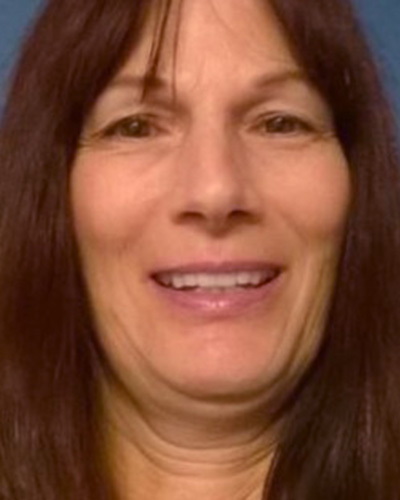 Anita Harrell has 10 years of experience in the fields of Occupational Safety, Biological Safety and Laboratory Safety. She has worked at BASF for 35 years and is currently the North America Biosafety Manager. Prior to joining BASF, Anita worked at North Carolina State University in Raleigh, NC. She received a degree in Botany from NCSU in 1983. Anita currently oversees the North American Biological Safety Programs. She works with site biosafety representatives to oversee these areas. She participates and several global biosafety teams at BASF.
COURSE FEES
ABSA Members: $695 USD ($795 after 8/24)
Nonmembers: $895 USD ($995 after 8/24)
In-person courses are purchased in conjunction with your in-person conference registration.
CONTACT HOURS
This course has been approved for 1.0 CM points toward RBP/CBSP recertification. ABSA International is approved as a provider of continuing education programs in the clinical laboratory sciences by the ASCLS P.A.C.E.® Program. This course is approved for 7.5 P.A.C.E.® contact hours.
Saturday, October 10, 2026, 8:00 am – 5:00 pm
4. Applying ANSI/ASSP Standard Z16.1-2022 “Safety and Health Metrics and Performance Measures”—Concepts to Biosafety Program Operations and Management
Recognizing the need to improve and standardize health and safety program metrics and performance measures, the American National Standards Institute collaborated with the American Society of Safety Professionals to create “ANSI/ASSP Z16.2 – 2022 Safety and Health Metrics and Performance Measures”. The standard describes the types of measures and metrics that safety programs should consider for programmatic decision-making and for communications to management and other stakeholders. The team assembled to create this standard possessed an impressive breadth of knowledge and experience across a variety of health and safety settings, however lacked specific involvement from the biosafety perspective. Given the preeminence of ANSI and ASSP recommendations, this course will first summarize the content of the ANSI/ASSP report and then provide tangible examples of how actual biosafety program data can be collected, displayed, communicated, and used as the basis for programmatic decision-making while meeting the criteria described in the report. The course will include small-group discussions focused on which data are currently being collected, and which are needed by leadership. Attendees are asked to come prepared to describe their respective measures and metrics, as well as the parameters other stakeholders are seeking, with ample time allotted for questions and discussion.
Objectives:
- Describe the metrics and performance measures recommended by ANSI/ASSP and their associated key characteristics
- Explain the concept of a balanced set of metrics
- Identify basic biosafety program measures and metrics that are used to assess program performance and provide the basis for comparisons to others
- Summarize methods and settings where measures and metrics can be used to improve visibility and support for their biosafety programs
Suggested Background:
None
Target Audience:
All Biosafety Professionals, All Safety Professionals
Audience Level:
COURSE FACULTY
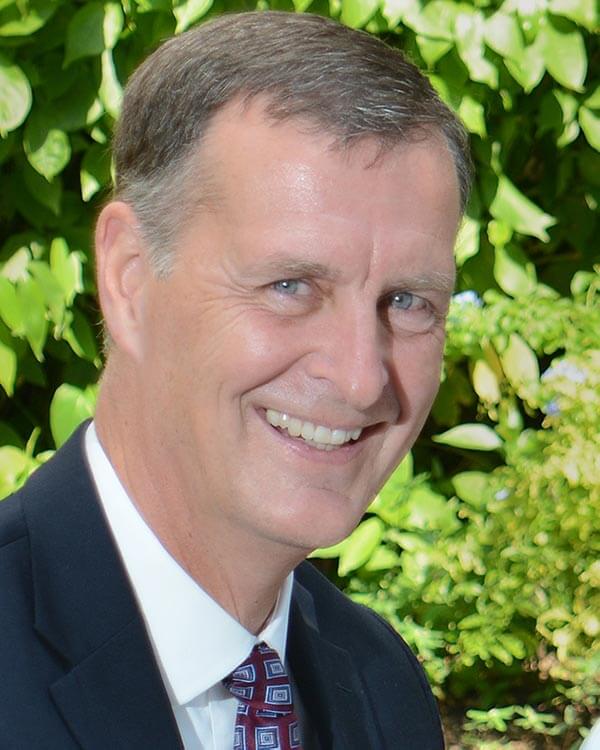 Robert Emery is Vice President for Safety, Health, Environment & Risk Management for The University of Texas Health Science Center at Houston (UTHealth Houston) and Professor of Occupational Health at the University of Texas School of Public Health. Bob is a board licensed Medical Health Physicist, a Certified Health Physicist (CHP), Certified Industrial Hygienist (CIH), and a Certified Safety Professional (CSP). He holds both ABSA International credentials; the Registered Biosafety Professional (RBP) and Certified Biological Safety Professional (CBSP).
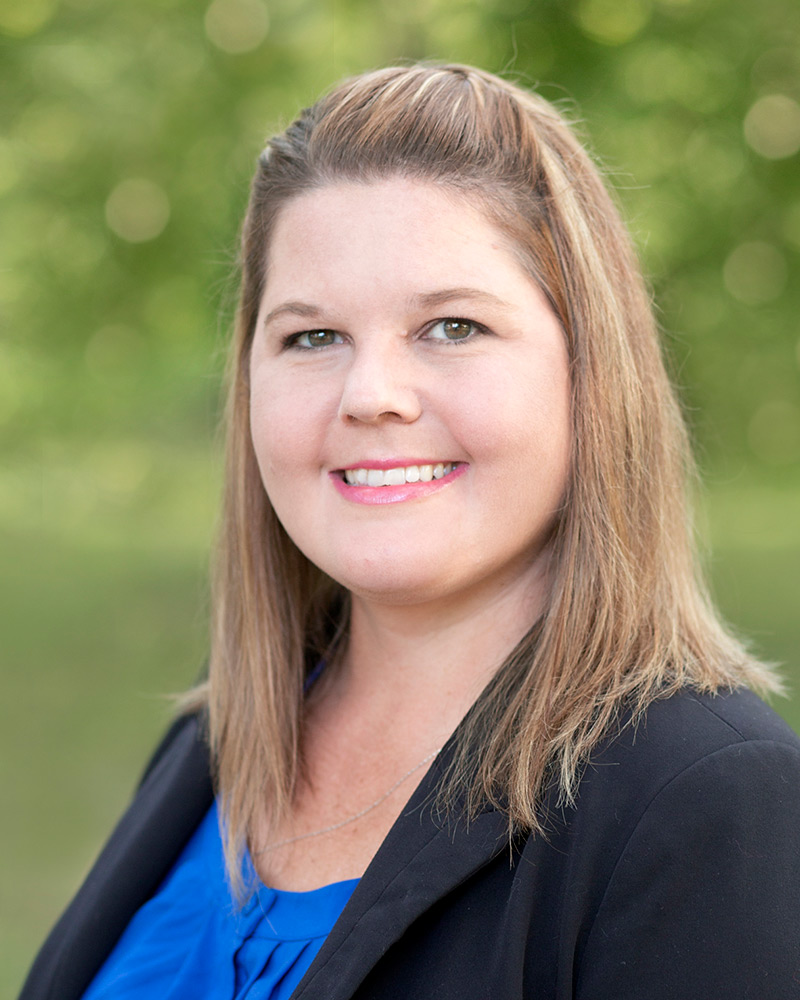 University of Texas Health Science Center
Houston, TX
Kristin King, DrPH, CBSP(ABSA), CPH, CHSP, CIC, is the Biological Safety Program manager within Environmental Health & Safety at The University of Texas Health Science Center at Houston (UTHealth Houston). She holds a Doctor of Public Health in Occupational and Environmental Health Sciences (with a minor in epidemiology and leadership) from The University of Texas School of Public Health (UT SPH) and a Master of Public Health in Occupational and Environmental Health Sciences from the same school. Kristin uniquely holds professional credentials in both Infection control and biological safety and has published in peer-reviewed journals in both fields.
COURSE FEES
ABSA Members: $695 USD ($795 after 8/24)
Nonmembers: $895 USD ($995 after 8/24)
In-person courses are purchased in conjunction with your in-person conference registration.
CONTACT HOURS
This course has been approved for 1.0 CM points toward RBP/CBSP recertification. ABSA International is approved as a provider of continuing education programs in the clinical laboratory sciences by the ASCLS P.A.C.E.® Program. This course is approved for 7.5 P.A.C.E.® contact hours.
Sunday, October 11, 2026, 8:00 am – 5:00 pm
7. Facilities Fundamentals for Biosafety Professionals
This course is aimed at strengthening biosafety professionals knowledge of how facility operations support overall biocontainment operations. Through a mixture of presentations from experts in the field and interactive exercises, attendees will reinforce their knowledge of facility system function and their roles in facility design, construction, and operation. The target audience for the course is biosafety professionals who come with backgrounds other than facilities, and it is open to both newcomers and seasoned veterans in the field. The first portion of the course will familiarize attendees with the general concepts biosafety-related facility design and their roles in it, along with the fundamentals of HVAC system operation in the context of BSL-2 and BSL-3 facilities. Topics in this portion of the course include: the role of biosafety personnel in biocontainment facility design, renovation, and operations, understanding design drawings and related construction documents, what the relationship is of facility features to biosafety levels, and HVAC components and their function relative to biocontainment. This section will end with the introduction of an interactive exercise on reviewing design drawings. The instructors will lead interactive exercises and discussions of more detailed aspects of containment facilities and their operation, including: specific infrastructure, equipment, and systems related to operation of a biocontainment facility; autoclave function, waste management, associated facility infrastructure; room decontamination in relation to facility components; interactions between facilities and containment equipment; security, operations, and biosafety.
Objectives:
- Restate the roles of biosafety professionals in facility design and operation
- Explain practical approaches for reviewing design documents
- Describe the function of discrete facility infrastructure, equipment, and systems related to biocontainment facility operations
Suggested Background:
Fundamentals of Biosafety, Principles and Practices of Biosafety® (PPB), Risk Assessment
Target Audience:
All Biosafety Professionals, All Safety Professionals
Audience Level:
COURSE FACULTY
Paul Jennette holds Bachelor’s and Master’s Degrees in Environmental Engineering from Cornell and the University of Massachusetts, respectively, and is both a Registered Professional Engineer and a Certified Biological Safety Professional. Since 1999, he has held the position of Biosafety Engineer at the Cornell College of Veterinary Medicine and has also been the Director of Biocontainment Operations there since 2013. Paul’s responsibilities include: design, verification, operation, decontamination, and program management related to Cornell’s BSL-3, ACL-3, and ABSL-3 facilities, which include both research & diagnostic laboratories as well as a BSL-3 large animal necropsy; training all Cornell BSL-3 scientific and support staff and providing direct, in-containment support for BSL-3 diagnostic operations; directing the operations of Cornell’s medical and pathological waste treatment facility, which includes a 5,000-lb/batch carcass digester; serving on Cornell’s Institutional Biosafety Committee and directing the Cornell Vet College Rabies Risk Management Program. Paul serves on biosecurity teams for Select Agent Labs at the Cornell Vet College and provides technical support for the College’s effluent decontamination systems. He served as the American Biological Safety Association’s representative on the ANSI committee to develop a national standard for the verification of BSL-3 facility performance, is a reviewer and lead author of a technical column for the Applied Biosafety journal, and is a member of ABSA’s Professional Development Team. He is a former co-chair of ABSA’s Principles & Practices of Biosafety class as well as a regular instructor for BSL-3 courses offered by the Eagleson Institute and ABSA. In addition to his position at Cornell, Paul provides biocontainment operations consulting services to a variety of academic, governmental, and pharmaceutical clients.
 Stephen Helgren is a Senior Architect and Laboratory Planner for Merrick & Company, with over 24 years of diversified experience in complex life science facilities and extensive expertise in laboratory programming, planning, design, and construction. He has experience with BSL-3 facilities for private companies, public universities, the USDA, and Canadian clients.
Merrick & Company, Greenwood Village, CO
Carrie Smith is a seasoned biosafety professional with over fifteen years of experience spanning academia, government, and the private sector. As a Senior Scientist at Merrick & Company, she specializes in biosafety and laboratory operations planning, helping clients design and transition laboratories through new constructions, renovations, and strategic upgrades. Her expertise also extends to training, biosafety program development, standard operating procedures (SOPs), manuals, decontamination strategies, and other critical biosafety initiatives. Before joining Merrick, Carrie held key roles in biosafety leadership, serving as BSO and ARO at Oklahoma State University, a biosafety specialist and trainer at the University of Wisconsin-Madison, and BSO and ARO at the USGS National Wildlife Health Center. She earned her undergraduate degree in Biology with a concentration in Biotechnology from the University of Delaware and went on to complete her PhD in Genetics at North Carolina State University, where her research encompassed recombinant bacteria, viruses, fungi, plants, and biological toxins. Throughout her career, Carrie has successfully led both small and large biosafety programs, demonstrating expertise in BSL-3/ABSL-3 oversight, atypical animal biocontainment, select agent program management, recombinant technology, plant biosafety, diagnostic laboratory protocols, and the development of online and in-person training. In addition to her professional contributions, she is deeply involved in educational initiatives, serving as an instructor for ABSA’s Principles & Practices of Biosafety Course, teaching the ABSA BSL-3 Operations and Management professional development course, and actively participating in the Preconference Course Committee.
COURSE FEES
ABSA Members: $695 USD ($795 after 8/24)
Nonmembers: $895 USD ($995 after 8/24)
In-person courses are purchased in conjunction with your in-person conference registration.
CONTACT HOURS
This course has been approved for 1.0 CM points toward RBP/CBSP recertification. ABSA International is approved as a provider of continuing education programs in the clinical laboratory sciences by the ASCLS P.A.C.E.® Program. This course is approved for 7.5 P.A.C.E.® contact hours.
Sunday, October 11, 2026, 8:00 am – 12:00 pm
12. Introduction to Robotics and Artificial Intelligence for Biosafety Professionals
Artificial intelligence (AI) and robotics have advanced to the point of serving as useful tools in biomedical research, including research involving biohazardous materials. AI is frequently utilized to aid researchers in writing and preparing presentations. Recently, AI has shown to be as competent as PhD level microbiologists in troubleshooting microbiological experiments. This course will introduce robotics and AI to biosafety professionals within the context of biomedical research and research oversight. The course will include several videos to demonstrate concepts and start discussions about feasibility, safety, security, potential for misuse, and ethics.
Objectives:
- Summarize the fundamentals of robotics as they apply to the laboratory setting and biosafety
- Paraphrase the fundamentals of AI
- Discuss how robotics and AI can impact experimental design, risk assessments, laboratory culture, scientific writing and IBC review
Suggested Background:
None
Target Audience:
All Safety Professionals, Laboratory Workers, Anyone involved in IBC, IACUC, or IRB review
Audience Level:
COURSE FACULTY
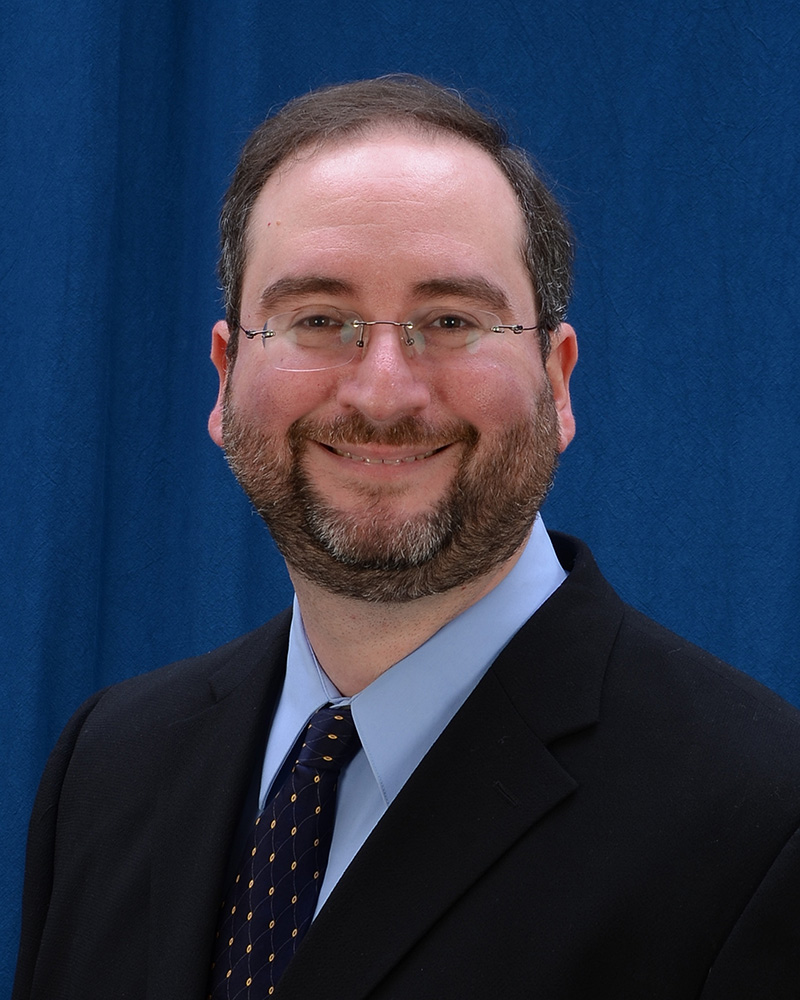 Advarra, Research Triangle Park, NC
Dan Eisenman is Executive Director of Biosafety Services at Advarra, a large clinical research compliance company. Dan heads a commercial IBC overseeing over 1,600 clinical and basic science research sites. Prior to joining Advarra Dan was the Biosafety Officer at the Medical University of South Carolina and UNC Chapel Hill. Dan holds a PhD in molecular biology and immunology, various biosafety certifications (RBP, SM(NRCM), CBSP) and a Regulatory Affairs Pharmaceuticals certificate from the Regulatory Affairs Professionals Society (RAPS). He is a member of the Editorial Board for Applied Biosafety and frequently speaks at major conferences on topics involving biosafety, gene therapy and clinical trials.
COURSE FEES
ABSA Members: $475 USD ($525 after 8/24)
Nonmembers: $575 USD ($625 after 8/24)
In-person courses are purchased in conjunction with your in-person conference registration.
CONTACT HOURS
This course has been approved for 0.5 CM points toward RBP/CBSP recertification. ABSA International is approved as a provider of continuing education programs in the clinical laboratory sciences by the ASCLS P.A.C.E.® Program. This course is approved for 3.5 P.A.C.E.® contact hours.
Sunday, October 11, 2026, 1:00 – 5:00 pm
13. Nanoparticles in Modern Science – Understanding Hazards, Controls, and Safe Practices
Nanotechnology is revolutionizing many areas of modern life, offering innovative solutions across medicine, science, engineering, and technology. Nanoparticles (NPs), with their unique properties, are defined by composition, size, shape, and surface characteristics, hold significant promise in these fields. However, these same properties present challenges in recognizing, evaluating, and mitigating potential environmental, health, and safety risks associated with the production and application of nanoparticles. This course introduces the types, properties, production and synthesis of nanoparticles, focusing on their interactions with biological systems and associated chemicals, as well as potential implications of radiolabeled nanoparticles. This understanding is crucial for developing effective risk assessment and mitigation strategies for both in-vivo and in-vitro applications. It covers biosafety, biosecurity, and occupational health risks, emphasizing hazard identification, control measures, and knowledge gaps in nanotechnology. The case studies will be based on published research and will be presented in a structured format that helps attendees understand the complexity of real-world nanotechnology projects. Through case studies and interactive exercises, attendees will explore best practices for safe handling, waste management, exposure assessment, and transport of nanoparticles. These hands-on activities will reinforce key concepts, fostering peer learning and collaboration. Adequate time, along with a risk assessment template, will be provided for team-based risk assessments and the development of safety recommendations.
Objectives:
- Identify common types of nanoparticles and their key properties
- Evaluate potential risks and safety concerns associated with the production and use of nanoparticles, including occupational exposure and environmental impacts
- Develop and implement effective risk management strategies for laboratory projects involving nanoparticles, including hazard identification, exposure controls, and best practices for safe handling, waste disposal, and transport
Suggested Background:
None
Target Audience:
New Biosafety Professionals, All Safety Professionals, Animal Caretakers, Lab Safety Professionals
Audience Level:
COURSE FACULTY
 Dr. Maya Nair is the Director of Biological Safety at the University of North Texas Health Science Center (UNTHSC) in Fort Worth, Texas, where she also serves as the Biosafety and Assistant Radiation Safety Officer. In this capacity, she oversees a broad range of safety programs, including biosafety, radiation safety, DEA-controlled substances, animal safety, laser safety, and risk management.Dr. Nair has been instrumental in establishing and leading the UNTHSC Biosafety Program and has served as the Biosafety Officer for the past 18 years. She has also held the role of Reviewing Official for the institution’s Increased Control Program. With over 25 years of experience in biomedical research, Dr. Nair’s scientific background is focused on nanoparticle-based targeted drug delivery systems for cancer therapy. She has presented her research at numerous national and international conferences and has authored several peer-reviewed publications and book chapters on the application of nanoparticles in the biomedical field.In addition to her scientific contributions, Dr. Nair is passionate about education and training. She has developed and taught graduate-level safety courses for public health students and has mentored many students in the field of Environmental Health and Safety. She is an active member of UNTHSC’s Institutional Compliance Group, contributing to policy development and review, and collaborates with key committees such as the Institutional Animal Care and Use Committee (IACUC) and Institutional Review Board (IRB). Dr. Nair also serves as an external reviewer for Institutional Biosafety Committees (IBCs) at other institutions.Dr. Nair has been an active member of the American Biological Safety Association (ABSA) International since 2007, serving on various committees and task force. She served as the Chair of the Training Tools Committee for 2020-2025. She is also a member of the Southern Biosafety Association. Her professional interests include the effective management of comprehensive safety programs and exploring the impact of emerging technologies on safety and security.
COURSE FEES
ABSA Members: $475 USD ($525 after 8/24)
Nonmembers: $575 USD ($625 after 8/24)
In-person courses are purchased in conjunction with your in-person conference registration.
CONTACT HOURS
This course has been approved for 0.5 CM points toward RBP/CBSP recertification. ABSA International is approved as a provider of continuing education programs in the clinical laboratory sciences by the ASCLS P.A.C.E.® Program. This course is approved for 3.5 P.A.C.E.® contact hours.
Sunday, October 11, 2026, 1:00 – 5:00 pm
15. IACUC Ready: A Four Hour Bootcamp for Biosafety Professionals
This course will equip biosafety professionals with the basic knowledge and skills to transition seamlessly into Institutional Animal Care and Use Committee (IACUC) service. Through interactive lectures, case studies, role-playing, and hands-on exercises, attendees will learn about the IACUC’s role and responsibilities; the U.S. regulatory framework for research involving animals; and opportunities for biosafety professionals to make impactful contributions to the oversight of these activities. Upon course completion, attendees will have the confidence and basic skills to serve on the committee and leverage their biosafety expertise with the responsible care and use of animals in science.
Objectives:
- Describe the IACUC structure, roles, and regulatory requirements within the current regulatory framework
- Interpret the protocol review process and strategies for incorporating risk assessment of biosafety concerns into the process
- Develop practical skills to contribute effectively as a voting or non-voting IACUC member during the protocol review process, program reviews, facility inspections, and post-approval monitoring program
Suggested Background:
None
Target Audience:
All Biosafety Professionals, All Safety Professionals
Audience Level:
COURSE FACULTY
Dr. Susan Harper received her DVM from Louisiana State University and worked in large animal practice for several years before enrolling in a post-doctoral residency in comparative medicine at the Penn State University College of Medicine. She served on the Penn State faculty for 2 years following graduation, before accepting a position with the National Institutes of Health (NIH). She has worked at several different Departments and Agencies during her federal career and currently serves as the Deputy Director for the NIH Office of Animal Care and Use in Bethesda, MD. She is a diplomate of the American College of Laboratory Animal Medicine (ACLAM) and the American College of Veterinary Preventative Medicine (ACVPM); a Registered Biosafety Professional (RBP) through ABSA International; and serves on the AAALAC International Council on Accreditation.
COURSE FEES
ABSA Members: $475 USD ($525 after 8/24)
Nonmembers: $575 USD ($625 after 8/24)
In-person courses are purchased in conjunction with your in-person conference registration.
CONTACT HOURS
This course has been approved for 0.5 CM points toward RBP/CBSP recertification. ABSA International is approved as a provider of continuing education programs in the clinical laboratory sciences by the ASCLS P.A.C.E.® Program. This course is approved for 3.5 P.A.C.E.® contact hours.
Webinars
September 1 – November 19
(webinars are in Central Standard Time)
Although these courses are part of the Professional Development Program for the 69th Annual Biosafety and Biosecurity Hybrid Conference, conference attendance is not required. Registration is open to all.
2V. Host Pathogen Interactions for Biosafety Professionals
September 1 and September 3, 2026
11:00 am – 3:00 pm CDT
Recording is now available for purchase.
Overview:
The course is intended to introduce biosafety professionals to host-pathogen interactions by focusing on fundamentals of immunology, microbiology and their interplay as they pertain to biosafety risk assessments utilizing instructional videos, case studies, established lab acquired infections and publications. Information from this course can assist biosafety professionals assess risks from microbiological research including potential effects of genetic modifications on virulence and infectivity of pathogens, susceptibility of hosts in in-vitro and in-vivo models for IBC review, assessing impact to the wellbeing of research animal hosts for IACUC review, as well as the occupational safety and occupational health of research personnel.
Objectives:
- Restate the fundamentals of microbiology and immunology as they pertain to host-pathogen interactions
- Identify how host-pathogen interactions affect risk assessments for maintaining the wellbeing of animal hosts
- Describe how host-pathogen interactions affect risk assessments for the safety of research personnel
Suggested Background:
None
Target Audience:
All Safety Professionals, Laboratory Workers, Animal Caretakers, Anyone involved in IBC, IACUC, occupational health or infection prevention and control
Audience Level:
Course Logistics:
Within 10 business days of purchasing the recording, you will be added to the course on the ABSA International Training Site. If you have already taken ABSA courses, then you will receive an enrollment notification. If you are a new user, you will receive an invitation to create your account on the ABSA International Training Site. Once the account is created, you will see the course on your course dashboard. You will have 60 days to complete the course.
Although this course is part of the Professional Development Program for the 69th Annual Biosafety and Biosecurity Hybrid Conference, conference attendance is not required. Registration is open to all.
COURSE FACULTY
Advarra, Research Triangle Park, NC
Dan Eisenman is Executive Director of Biosafety Services at Advarra, a large clinical research compliance company. Dan heads a commercial IBC overseeing over 1,600 clinical and basic science research sites. Prior to joining Advarra Dan was the Biosafety Officer at the Medical University of South Carolina and UNC Chapel Hill. Dan holds a PhD in molecular biology and immunology, various biosafety certifications (RBP, SM(NRCM), CBSP) and a Regulatory Affairs Pharmaceuticals certificate from the Regulatory Affairs Professionals Society (RAPS). He is a member of the Editorial Board for Applied Biosafety and frequently speaks at major conferences on topics involving biosafety, gene therapy and clinical trials.
COURSE FEES
ABSA Members: $550 USD
Nonmembers: $735 USD
Registration for the live webinar must be completed 1 business day prior to the start of the training.
Registrations received after will receive access to the recording only.
To receive the ABSA member rate, participants must be current ABSA members during the training year. Fees include course handouts, access to the ABSA International training site, and 8 hours of expert-led interactive instruction.
Recorded webinar participants will receive their course information within 10 business days of registration. Participants will have 60 days to complete the course on the ABSA International Training Site. An extension of 30 days can be purchased for $50 per course prior to the expiration date of the course. The regular course fee will be applicable after the expiration date. The course is FOR INDIVIDUAL USE ONLY.
CONTACT HOURS
This course has been approved for 1.0 CM points toward RBP/CBSP recertification. ABSA International is approved as a provider of continuing education programs in clinical laboratory sciences by the ASCLS P.A.C.E.® Program. This course is approved for 7.5 P.A.C.E.® contact hours. Course access links are unique and for individual use only. Sharing is prohibited. Duplicate logins or unregistered attendees will be removed from the webinar without a refund.
3V. IATA Infectious Substance Shipping Certification
September 9, September 11, September 14, September 16 and September 18, 2026
12:30 pm – 2:10 pm CDT
(this course will NOT be offered as a recording)
Overview:
This course provides essential training for individuals seeking IATA certification for infectious substance shipping. Designed for participants with some prior experience in handling or shipping infectious substances who may not have been certified within the past three years, the course is delivered through five 100-minute online sessions. Each session is followed by homework assignments that reinforce practical skills such as classifying, marking, labeling, packaging, and completing documentation for various infectious substance shipments (Category A, Category B, Exempt Patient Specimens). These assignments replace traditional classroom activities and are required for successful course completion. This course is suitable for personnel responsible for packaging, marking, and labeling shipments of all categories of infectious substances, including dry ice and liquid nitrogen. To earn a certificate and course credit, participants must complete all assignments and pass (80% or better) a written exam administered at the conclusion of the course. Note that IATA certification is issued by the employer.
Objectives:
- Demonstrate competency to meet IATA infectious substance shipping certification requirements
- Identify and demonstrate how to properly package, mark/label, document and prepare shipments of category A and B infectious substances and other non-regulated biological materials
- Summarize the regulatory changes over the past several years and be able to apply them to meet regulatory re-training requirements
Suggested Background:
None
Target Audience:
New Biosafety Professionals, All Safety Professionals, Laboratory Workers
Audience Level:
Course Logistics:
Course is five 100-minute sessions. Attendees will need to log on 10 minutes prior to the start time. To receive credit and a certificate, attendees must attend all the sessions and complete or access all course modules. The course materials are for registered participants only.
IMPORTANT NOTE: Due to the nature of the course, the recording of the course will only be available to those who attended the live virtual session and participated in the course assignments.
Although this course is part of the Professional Development Program for the 69th Annual Biosafety and Biosecurity Hybrid Conference, conference attendance is not required. Registration is open to all.
COURSE FACULTY
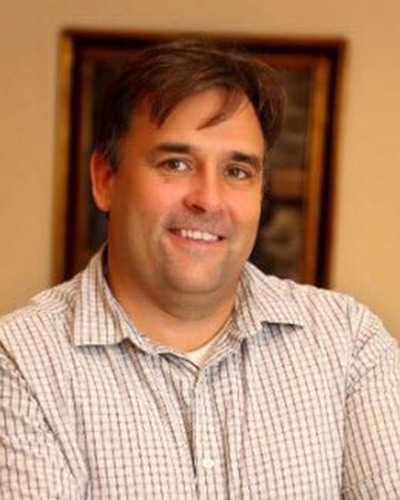 Eric Cook is a Senior Member of the Technical Staff in the International Biological and Chemical Threat Reduction Program at Sandia National Laboratories where his work focuses on promoting global laboratory biorisk management. He serves as one of the program’s lead trainers. Eric served as the Biosafety Officer for Dartmouth College in Hanover, NH for five years where he managed the Biosafety Program and Institutional Biosafety Committee. Prior to working at Dartmouth, Eric was an Assistant Biosafety Officer at the Massachusetts Institute of Technology for six years. While at MIT, Eric completed his Master’s Degree in Public Health at Boston University with a focus on Environmental Health. Eric has a B.S.in Molecular Biology from Brigham Young University where he worked in a recombinant DNA lab for two years assisting with work in phylogenetics. He is certified by the National Registry of Certified Microbiologists as a Specialist Microbiologist in Biological Safety Microbiology and previously by ABSA International as a Certified Biological Safety Professional. Eric has particular expertise in dangerous goods and infectious substance shipping. He worked for three years at Saf-T-Pak, Inc. developing training programs and packaging for shipping infectious substances.
COURSE FEES
ABSA Members: $550 USD
Nonmembers: $735 USD
Registration for the live webinar must be completed 1 business day prior to the start of the training.
Due to the nature of the course, the recording of the course will only be available to those who attended the live virtual session and participated in the course assignments.
To receive the ABSA member rate, participants must be current ABSA members during the training year. Fees include course handouts, access to the ABSA International training site, and 8 hours of expert-led interactive instruction.
Confirmed, paid participants will be sent detailed information regarding the course within a few days prior to the course. Substitutions allowed with notice by 7/24/2026. There is a 15% processing fee for cancellations prior to 7/31/2026. No refunds after 7/31/2026.
CONTACT HOURS
This course has been approved for 1.0 CM points toward RBP/CBSP recertification. ABSA International is approved as a provider of continuing education programs in clinical laboratory sciences by the ASCLS P.A.C.E.® Program. This course is approved for 8.0 P.A.C.E.® contact hours. Course access links are unique and for individual use only. Sharing is prohibited. Duplicate logins or unregistered attendees will be removed from the webinar without a refund.