




Professional Development Courses
Advanced Level Courses
For those with experience or looking for a challenging course.
In-Person Courses
October 10-11, 2026
Arthur R. Outlaw Mobile Convention Center—Mobile, Alabama
(in-person courses are in Central Standard Time)
Sunday, October 11, 2026, 8:00 am – 5:00 pm
9. From Risk Assessment to Decision Making: Biosafety Case Studies in Practice
Risk assessments rarely follow a simple checklist. “It depends” is the phrase biosafety professionals typically use when starting a risk assessment, especially in research environments where new technologies and innovations are constantly emerging. This interactive workshop invites mid‑level and experienced biosafety professionals to collaboratively explore thought‑provoking, real‑world scenarios in a supportive and safe environment, offering a peer‑driven experience that goes beyond a traditional risk assessment lecture. This hands‑on course builds on attendees’ existing knowledge to apply risk assessment principles to challenging laboratory procedures and requests encountered in research institutions, using small‑group work on real case studies to identify biological hazards, evaluate risks, develop practical mitigation strategies, and identify resources available for effective assessments and where to go when written guidance or resources aren’t enough! The goal isn’t to find one single “correct” answer, but to share perspectives, learn from peers, and strengthen decision-making skills in a group setting. This course provides a networking opportunity to exchange ideas, expand practical knowledge, and gain confidence in tackling complex risk assessments in today’s evolving biomedical research landscape. Please bring your ideas, questions, and professional experience—active participation and diverse perspectives are encouraged.
Objectives:
- Develop a tool kit of resources needed to complete risk assessments in laboratory settings
- Apply critical thinking to assess hazardous material handling scenarios with multiple potential outcomes
- Demonstrate increased confidence and competence by effectively completing complex biosafety risk assessments and engaging in professional networking through structured peer discussions and collaborative activities
Suggested Background:
Biosafety and Biosecurity Training Course® (BBTC), BSL-3 Operations and Management, Fundamentals of Biosafety, Principles and Practices of Biosafety® (PPB)
Target Audience:
All Safety Professionals, Experienced Biosafety Professionals, Facility Managers and Laboratory Managers
Audience Level:
COURSE FACULTY
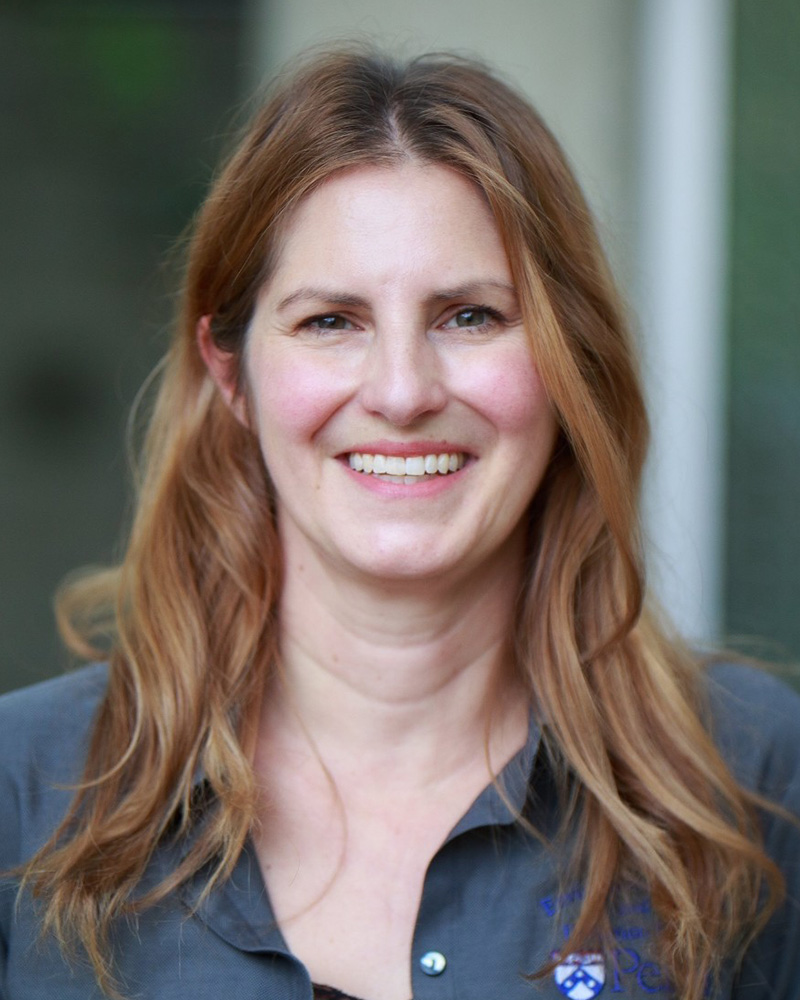 University of Pennsylvania, Philadelphia, PA
Stephanie Adams-Tzivelekidis holds a Master of Science degree from the University of Hohenheim in Stuttgart, Germany, and brings over a decade of experience in research and clinical laboratory settings. She served as a laboratory manager for eight years at the University of Pennsylvania in the Departments of Genetics and Biomedical Sciences and previously worked in Clinical Genetics in Germany for three years. For the past three years, Stephanie has been part of the University of Pennsylvania’s Biosafety team as an Assistant Biosafety Officer and earned her Registered Biosafety Professional (RBP) credential in May 2025. In her current role, she oversees the Biological Registry and laboratory inspections, conducts risk assessments, and reviews IACUC protocols and IBC registrations. She also leads key initiatives, including the Permissible Amounts Select Agent Toxin Program, the Field Safety Program, and the Pre-Lab Inspection Town Halls.
COURSE FEES
ABSA Members: $695 USD ($795 after 8/24)
Nonmembers: $895 USD ($995 after 8/24)
In-person courses are purchased in conjunction with your in-person conference registration.
CONTACT HOURS
This course has been approved for 1.0 CM points toward RBP/CBSP recertification. ABSA International is approved as a provider of continuing education programs in the clinical laboratory sciences by the ASCLS P.A.C.E.® Program. This course is approved for 7.5 P.A.C.E.® contact hours.
Sunday, October 11, 2026, 8:00 – 12:00 pm
10. Exercising Training: Using Impactful Interactive Experiences to Enhance Biorisk Management Learning
This course will reinforce the importance of using diverse teaching methods to enhance biorisk management learning. The central goal of this course is to provide a mechanism to extend discussion and awareness of critical educational topics by utilizing exercises that provide a chance for attendees to practice, lead, and teach as part of their learning. All exercise components are systematically designed and documented to enhance knowledge retention and learning outcomes beyond those achieved through passive biorisk management presentations alone. The instructor will use and demonstrate a number of exercise methods that can be utilized as presented or as a framework for the development or update to site-specific exercises at the attendee’s institution. The exercises provided have encouraged participant engagement during the instructor-led biorisk management training. Attendees will engage in select hands‑on exercises to gain practical experience and will receive a library of training exercises for potential integration into their existing courses.
Objectives:
- Apply the foundational training principles through the use of real‑world examples and small‑group activities
- Develop hands-on practical exercises to help reinforce important biorisk management teaching items
- Identify different techniques that can be modified to fit site-specific training needs in a variety of venues
- Demonstrate engagement in existing training by integrating appropriate exercises and drills into current course content
Suggested Background:
Fundamentals of Biosafety
Target Audience:
Mid-Experienced Biosafety Professionals, All Safety Professionals
Audience Level:
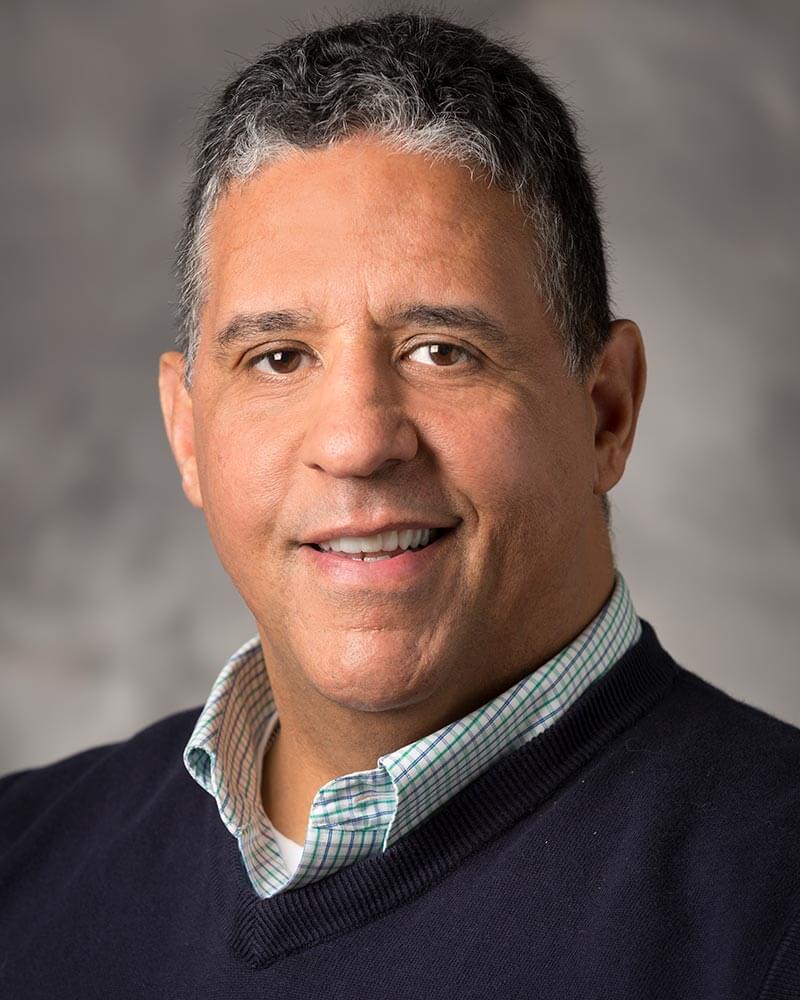
COURSE FACULTY
COURSE FEES
ABSA Members: $475 USD ($525 after 8/24)
Nonmembers: $575 USD ($625 after 8/24)
In-person courses are purchased in conjunction with your in-person conference registration.
CONTACT HOURS
This course has been approved for 0.5 CM points toward RBP/CBSP recertification. ABSA International is approved as a provider of continuing education programs in the clinical laboratory sciences by the ASCLS P.A.C.E.® Program. This course is approved for 3.5 P.A.C.E.® contact hours.
Webinars
September 1 – November 19
(webinars are in Central Standard Time)
Although these courses are part of the Professional Development Program for the 69th Annual Biosafety and Biosecurity Hybrid Conference, conference attendance is not required. Registration is open to all.
6V. Institutional Infectious Substance Shipping Program Assessment and Development
November 9 through November 13, 2026
12:30 pm – 2:10 pm CST
Overview:
This course is tailored for individuals responsible for establishing and overseeing infectious substance shipping programs within their facilities. This webinar series aims to assist institutions in developing robust shipping programs tailored to their needs. Course elements include: training; written policies; written descriptions of program plans; transport and shipping specific SOPs; safety and security plans; emergency response plans; logistics and supplies; carrier selection and support; MOUs and authorizations; access control and personnel assurance. The instructor will provide a detailed and comprehensive shipping program assessment and implementation guidance document. Attendees will receive an introduction to this document and step-by-step guidance on its completion. By completing the assessment document, attendees will conduct a thorough review to identify areas for improving existing shipping programs. This interactive, instructor led, web-based training will invite attendees to share examples of how these elements are addressed at their own institution.
Objectives:
- Evaluate external and internal requirements or conditions that influence shipping policy and program components at a facility, emphasizing the relevance of international regulations (ICAO TI), international standards (IATA DGR), and other guidance (CDC, WHO, CWA) for developing a robust shipping program
- Recognize the components of a shipping program and utilize provided tools and templates to assess current shipping program elements, identifying opportunities for improvement
- Compare and contrast various approaches to setting up a shipping program (centralized, decentralized, hybrid), and gain an understanding of the advantages and disadvantages associated with each
Suggested Background:
IATA Infectious Substance Shipping Certification
Target Audience:
Experienced Biosafety Professionals, Infectious Substance Shipping Managers & Trainers, EHS Program Managers & Directors, Professionals who manage and train others in shipping programs
Audience Level:
Course Logistics:
Course is five 100-minute sessions. Attendees will need to log on 10 minutes prior to the start time. To receive credit and a certificate, attendees must attend the sessions and complete or access all course modules. The course materials are for registered participants only.
Although this course is part of the Professional Development Program for the 69th Annual Biosafety and Biosecurity Hybrid Conference, conference attendance is not required. Registration is open to all.

COURSE FACULTY
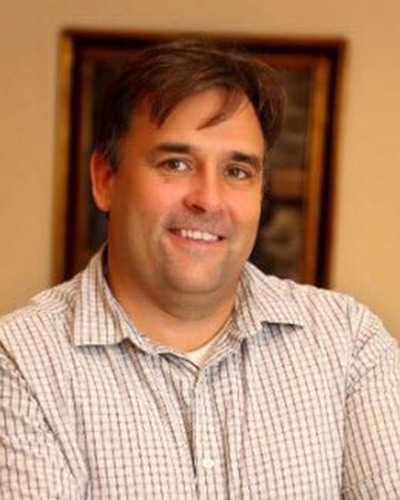 Eric Cook is a Senior Member of the Technical Staff in the International Biological and Chemical Threat Reduction Program at Sandia National Laboratories where his work focuses on promoting global laboratory biorisk management. He serves as one of the program’s lead trainers. Eric served as the Biosafety Officer for Dartmouth College in Hanover, NH for five years where he managed the Biosafety Program and Institutional Biosafety Committee. Prior to working at Dartmouth, Eric was an Assistant Biosafety Officer at the Massachusetts Institute of Technology for six years. While at MIT, Eric completed his Master’s Degree in Public Health at Boston University with a focus on Environmental Health. Eric has a B.S.in Molecular Biology from Brigham Young University where he worked in a recombinant DNA lab for two years assisting with work in phylogenetics. He is certified by the National Registry of Certified Microbiologists as a Specialist Microbiologist in Biological Safety Microbiology and previously by ABSA International as a Certified Biological Safety Professional. Eric has particular expertise in dangerous goods and infectious substance shipping. He worked for three years at Saf-T-Pak, Inc. developing training programs and packaging for shipping infectious substances.
COURSE FEES
ABSA Members: $550 USD
Nonmembers: $735 USD
Registration for the live webinar must be completed 1 business day prior to the start of the training.
Registrations received after will receive access to the recording only.
To receive the ABSA member rate, participants must be current ABSA members during the training year. Fees include course handouts, access to the ABSA International training site, and 8 hours of expert-led interactive instruction.
Confirmed, paid participants will be sent detailed information regarding the course within a few days prior to the course. Substitutions allowed with notice by 10/12/2026. There is a 15% processing fee for cancellations prior to 10/19/2026. No refunds after 10/19/2026.
CONTACT HOURS
This course has been approved for 1.0 CM points toward RBP/CBSP recertification. ABSA International is approved as a provider of continuing education programs in clinical laboratory sciences by the ASCLS P.A.C.E.® Program. This course is approved for 8.0 P.A.C.E.® contact hours. Course access links are unique and for individual use only. Sharing is prohibited. Duplicate logins or unregistered attendees will be removed from the webinar without a refund.
7V. We Built the BSL-3… Now What? Operational Management, Sustainability, and Risk-Based Decision Making for High-Containment Laboratories
November 19, 2026
11:00 am – 3:00 pm CST
Overview:
High-containment laboratories play a critical role in public health preparedness, infectious disease research, and diagnostic response. However, constructing a Biosafety Level 3 (BSL-3) laboratory is only the first step; ensuring it is safe, sustainable, and compliant in operation presents significant technical, operational, and organizational challenges. Many institutions struggle with maintaining complex containment systems, implementing robust biosafety programs, and sustaining competent personnel and operational procedures over time.This course provides a practical framework for the operation, management, and sustainability of BSL-3 laboratories. Attendees will explore the operational components required to maintain high-containment facilities, including governance structures, risk management systems, operational procedures, infrastructure and engineering controls, preventive maintenance programs, and emergency preparedness strategies. Emphasis will be placed on integrating engineering controls, administrative controls, and biosafety practices into a coherent biorisk management approach aligned with international guidance and best practices. The course also examines common institutional challenges encountered in high-containment laboratories, including infrastructure failures, gaps in operational planning, insufficient maintenance strategies, and misalignment between laboratory design and operational capabilities. Attendees will learn how to evaluate these risks and implement practical solutions to improve laboratory performance and safety. Through case studies, operational examples, and scenario-based discussions, attendees will analyze real-world challenges related to the management of BSL-3 laboratories and explore strategies to strengthen institutional governance, improve operational resilience, and ensure sustainable laboratory performance.
Objectives:
- Describe the operational structure and governance components required to safely manage and sustain a Biosafety Level 3 laboratory
- Evaluate infrastructure systems, operational procedures, and maintenance programs in BSL-3 facilities to identify potential operational risks and vulnerabilities
- Apply risk-based decision-making strategies to improve operational performance, incident response preparedness, and long-term sustainability of high-containment laboratories
Audience Level:
Suggested Background:
BSL-3 Operations and Management, Fundamentals of Biosafety, Risk Assessment
Who Should Attend:
Experienced Biosafety Professionals, All Safety Professionals, Laboratory Workers
Course Logistics:
Course is one 4-hour session with a 15-minute break. Attendees will need to log on 10 minutes prior to the start time. To receive credit and a certificate, attendees must attend the sessions and complete or access all course modules. The course materials are for registered participants only.
Although this course is part of the Professional Development Program for the 69th Annual Biosafety and Biosecurity Hybrid Conference, conference attendance is not required. Registration is open to all.

COURSE FACULTY
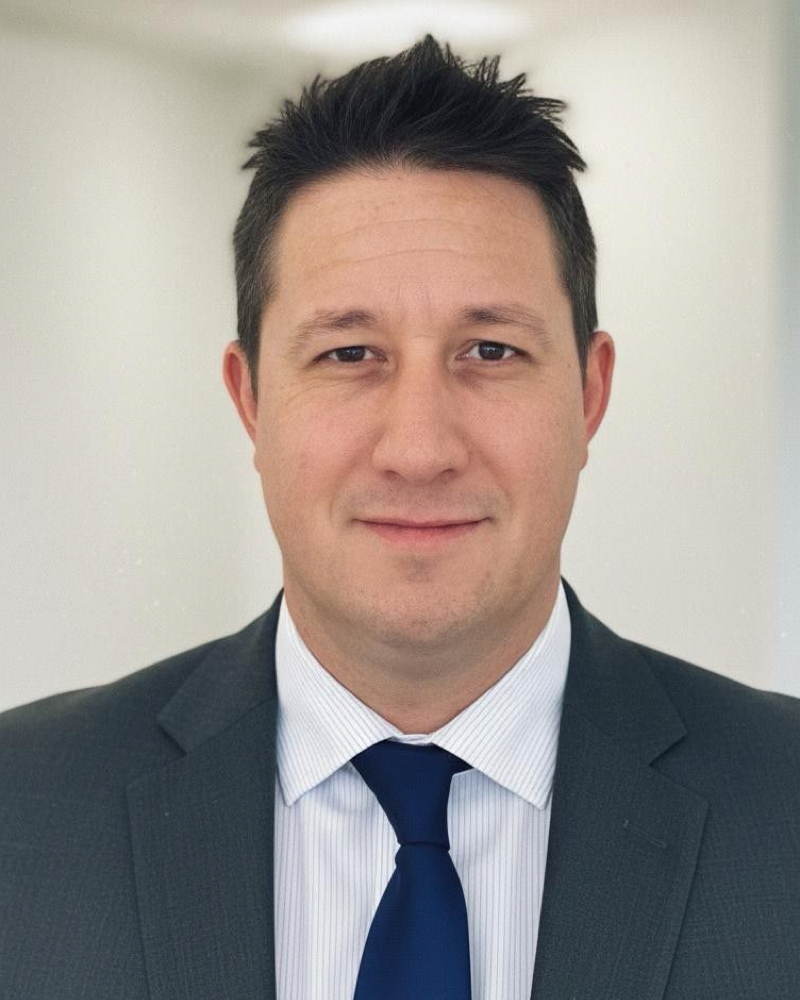 Michigan State University, Lansing, MI
Luis Alberto Ochoa Carrera, MSc, MRM, IFBA-CP, is an internationally recognized biosafety and biosecurity professional whose career bridges laboratory practice, public health preparedness, high-containment operations, and global capacity building. He currently serves as High-Containment Laboratory and Pandemic Safety Manager at Michigan State University, where he supports institutional biosafety, biocontainment, emergency preparedness, and the safe conduct of research involving biological hazards. Before joining Michigan State University, Mr. Ochoa Carrera served as Director of the Epidemiological Surveillance and Research Laboratory Network at the Mexican Institute for Social Security and as BSL-3 Laboratory Coordinator at Mexico’s National Institute for Epidemiological Diagnosis and Reference. His earlier scientific experience included clinical virology, molecular diagnostics, infectious diseases, antimicrobial resistance, and laboratory responses to emerging biological threats. Mr. Ochoa Carrera is a former President of ABSA International and a founding member and Past President of the Mexican Biosafety Association. Through these leadership roles, he has helped strengthen professional networks and advance biosafety as a scientific discipline across North America, Latin America, the Caribbean, and the global community. He currently serves on the World Health Organization Technical Advisory Group on Biosafety, the Board of Directors of the International Federation of Biosafety Associations, and as IFBA Coordinator for Latin America and the Caribbean. He is also a Senior Advisor to the Global Health Security Fund and contributes to BioPREVAIL’s mission of preparing biosafety professionals worldwide. His international work has supported organizations and professionals across the Americas, Africa, Asia, Europe, and the Middle East. Certified by IFBA in six technical disciplines, his expertise encompasses biorisk management, biological risk assessment, biosecurity, cyberbiosecurity, biocontainment facilities, and biosafety cabinets. His career reflects a sustained commitment to transforming biosafety from an institutional requirement into a shared global responsibility.
Brazilian Society for Biosafety and Biosecurity (SB3)
Vicosa, Brazil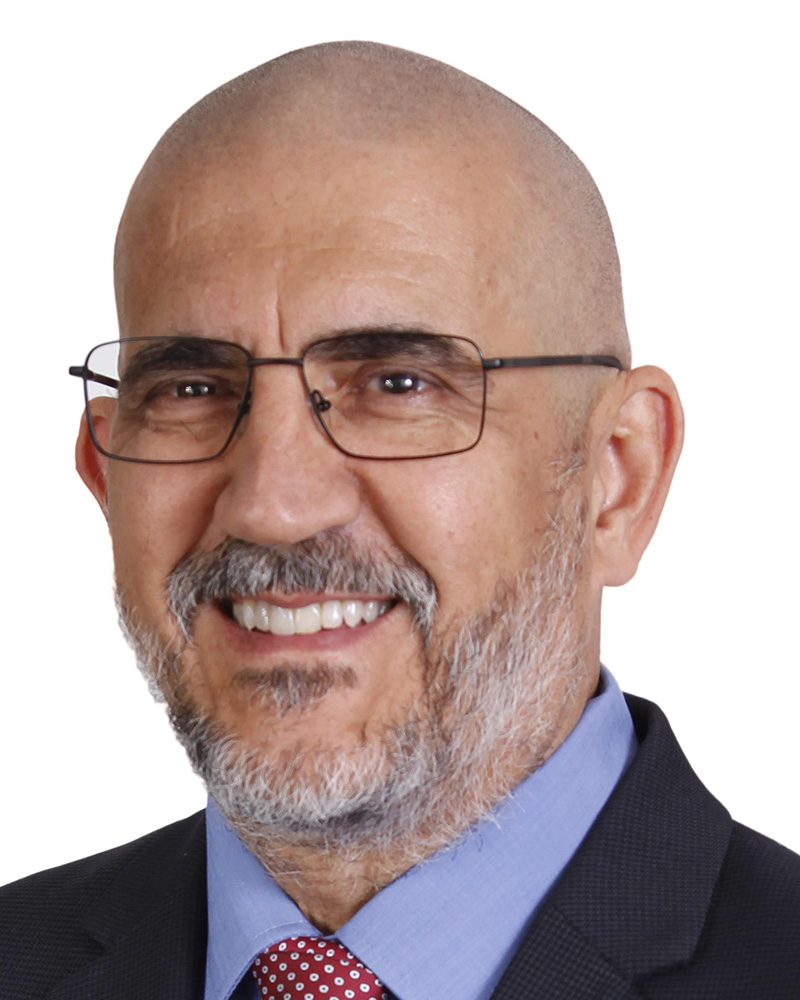
Dr. Mafra is a veterinarian (Federal University of Viçosa, 1988) with a Master’s in Parasitology (UFMG, 1991) and a PhD in Biological Sciences (Biochemistry) from UFRGS (1998). He completed postdoctoral training at the University of Texas Medical Branch in Galveston, USA, focusing on biodefense and emerging infectious diseases. As a retired full professor at the Department of Biochemistry and Molecular Biology at UFV, he continues as a professor and advisor in the Applied Biochemistry graduate program. His extensive expertise includes biosafety, parasitic diseases, parasite biochemistry and molecular biology, bioinformatics, and molecular epidemiology, with research emphasis on ticks, tick-borne diseases, and the complex interactions among pathogens, vectors, hosts, and the environment. Dr. Mafra has held multiple leadership roles, including Vice-President of ANBio, President of the Brazilian Society for Biosafety and Biosecurity (SB3), and President of the Certification Body of IFBA (Canada). He is a member of several national and international working groups, such as Brazil’s Maximum Biocontainment Facility Workgroup and CEPI’s Biorisk Working Group (Norway). He collaborates with institutions, including the Ministry of Health, PAHO, iGEM Foundation, and the Galveston National Laboratory (UTMB). He has consulted for organizations like ABNT, CNPq, FINEP, FAPESP, and the OAS on bioterrorism. An active researcher, Dr. Mafra has authored over 70 scientific articles, multiple books, patents, and software registrations. He has also guided numerous theses and postdoctoral projects. His career reflects a sustained commitment to advancing biosafety, biocontainment, and public health, contributing to national preparedness and global biosecurity efforts.
COURSE FEES
ABSA Members: $330 USD
Nonmembers: $430 USD
Registration for the live webinar must be completed 1 business day prior to the start of the training.
Registrations received after will receive access to the recording only.
To receive the ABSA member rate, participants must be current ABSA members during the training year. Fees include course handouts, access to the ABSA International training site, and 8 hours of expert-led interactive instruction.
Confirmed, paid participants will be sent detailed information regarding the course within a few days prior to the course. Substitutions allowed with notice by 10/22/2026. There is a 15% processing fee for cancellations prior to 10/29/2026. No refunds after 10/29/2026.
CONTACT HOURS
This course has been approved for 0.5 CM points toward RBP/CBSP recertification. *ABSA International is approved as a provider of continuing education programs in clinical laboratory sciences by the ASCLS P.A.C.E.® Program. This course is approved for 3.5 P.A.C.E.® contact hours. Course access links are unique and for individual use only. Sharing is prohibited. Duplicate logins or unregistered attendees will be removed from the webinar without a refund.