




69th Annual Biosafety and Biosecurity Hybrid Conference
Monday Scientific Program
All times listed will be Central Standard Time
Monday, October 12, 2026
6:30 am to 8:00 am Continental Breakfast in Foyer
6:30 am – 5:00 pm Registration
9:00 am – 1:00 pm Puppies in the Exhibit Hall!
9:00 am – 4:00 pm Vendor Exhibits
7:00 – 7:45 am | Special Session | USG Policy for Stopping High-Risk Life Sciences Panel Discussion
On July 28, 2026, the US Government issued a new policy, United States Government Policy for Stopping High-Risk Life Sciences Research, which takes effect in January 2027. This new federal policy covers dangerous gain-of-function research (DGoF) and international research of concern (IRoC). This panel will discuss what this policy may mean for your institution and your work, and how you can guide your institution on compliance.
Panelists:
Benjamin Fontes, CBSP(ABSA), Yale University, New Haven, CT
Rebecca Moritz, CBSP(ABSA), Colorado State University, Fort Collins, CO
David Pawlowski, RBP(ABSA), University at Buffalo, Buffalo, NY
Moderator:
Randy A. Albrecht, PhD, CBSP(ABSA), Dana-Farber Cancer Institute, Boston, MA
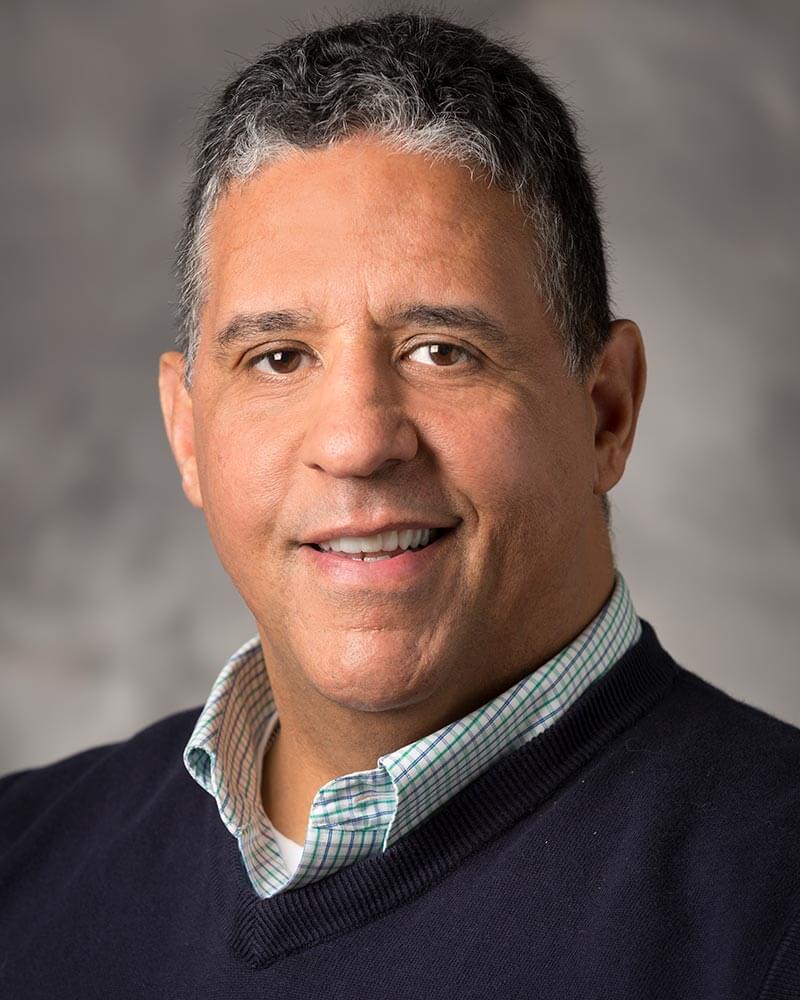
8:00 – 8:15 am Welcome and ABSA International President’s Address
Anne–Sophie Brocard, PhD, RBP(ABSA), CBSP(ABSA), SM(NRCM), ASP, CSP, CHMM, The University of North Texas Health Science Center, Fort Worth, TX
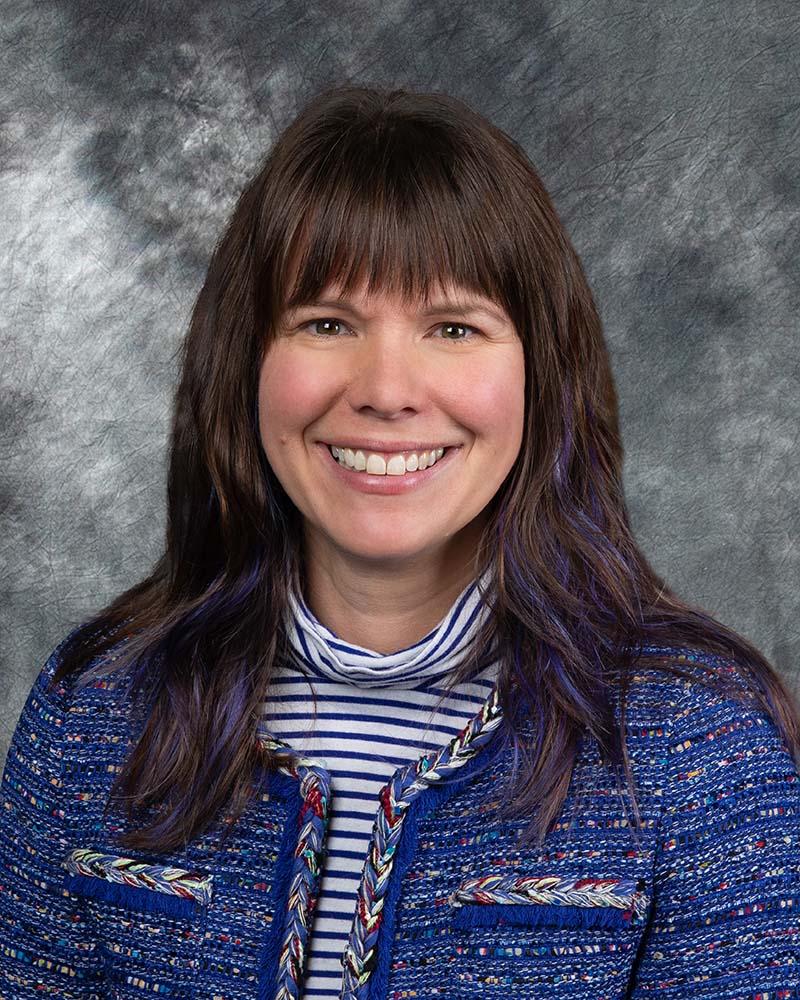
8:15 – 8:20 am Local Arrangements Committee Welcome
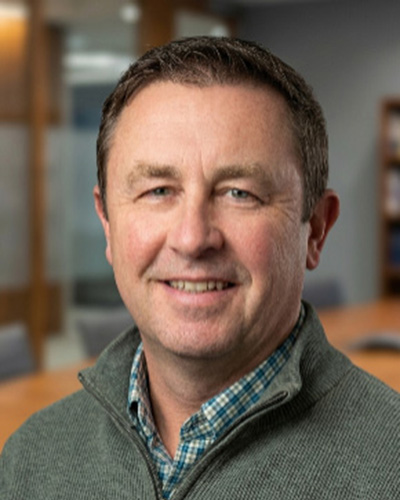
Anthony Walters, MPH, University of Mississippi Medical Center, Jackson, MS
8:20 – 8:25 am Scientific Program Committee Welcome
Colleen Kovacsics, PhD, RBP(ABSA), Genentech, Philadelphia, PA
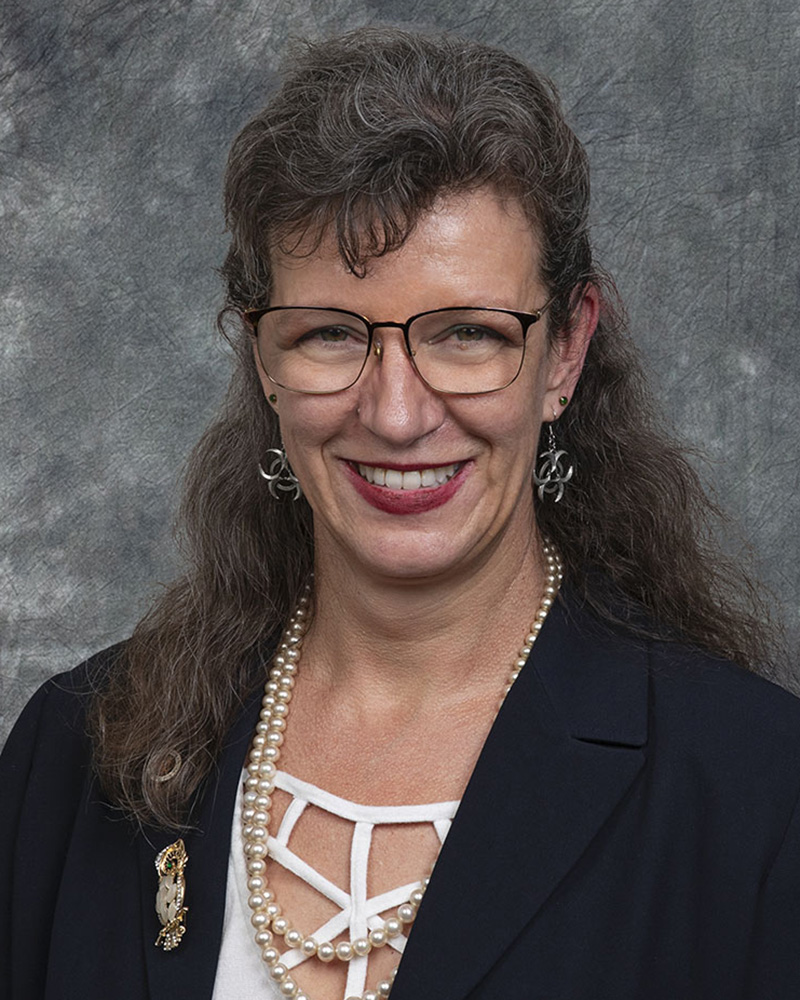 The University of North Texas Health Science Center, Fort Worth, TX
Anne-Sophie Brocard is a seasoned biosafety professional with over 20 years’ expertise in the biosafety field. She currently serves as the Sr. Director of Environmental Health and Safety at the University of North Texas (UNT) Health, in Fort Worth. She oversees the biosafety program and EHS department and is a trusted source of knowledge on appropriate practices, equipment, facilities, and best in classwork practices. Before joining UNT Health Sophie worked at ATCC (American Type Culture Collection) headquartered in Manassas, Virginia as the Biosafety Officer and EHS Leader. She previously spent two decades at the University of Texas Medical Branch (UTMB) in Galveston. During her tenure, she contributed significantly to UTMB biosafety program serving as an adjunct assistant professor in the department of Pathology. Her roles included Biosafety Program Director, Institutional Biosafety Officer, and Alternate Responsible Official for the Select Agent program. Sophie’s diverse background spans healthcare, research, academia, and production/repository/cGMP. She has actively participated on many different safety committees including, Biorisk Management Committee, Institutional Biosafety Committee, Chemical Safety Committee, and IACUC. Sophie’s hands-on experience extends to BSL3/ABSL3/ACL3 research, animal work, field operations, and BSL4 safety experience. As a dedicated education, Sophie has directed several graduate courses and has conducted biosafety training both nationally and internationally. Until 2016, she served as the Director of the Laboratory Biosafety Training Program at the UTMB National Biocontainment Training Center. Sophie has been an active member of ABSA since 2005 and contributed her expertise to various Committees and Teams. Notably, she served as ABSA Treasurer (2021-2023). Her commitment to safety is underscored by certifications as a Certified Biological Safety Professional (CBSP) and Certified Safety Professional (CSP). Sophie’s unwavering dedication and extensive experience position her as a highly valuable asset within the biosafety community.
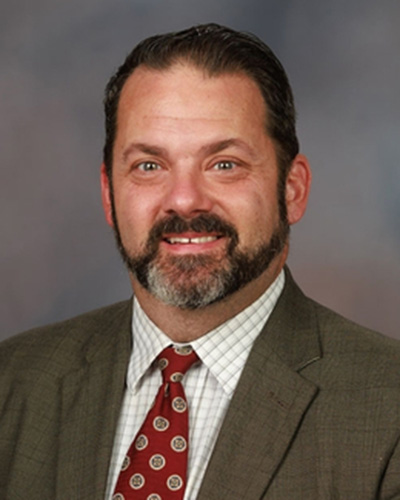 University of Mississippi Medical Center, Jackson, MS
Anthony Walters, MPH, is a Strategic Operations Leader and Biosafety Architect with over 20 years of progressive responsibility across clinical research facilities, state government, and federal emergency management. As the current Biological Safety Officer (BSO) for the University of Mississippi Medical Center (UMMC), he is uniquely qualified to lead safety and biosecurity initiatives for the Institutional Biosafety Committee (IBC). His Master of Public Health in Veterinary Public Health from University of Southern Mississippi provides a specialized foundation in zoonotic disease mitigation and biosecurity pathways, bridging the gap between clinical laboratory safety and large-scale public health preparedness. Anthony has extensive experience operationalizing complex regulatory frameworks (NIH, CDC, FEMA, DHS) and managing high-consequence biological research environments. His expertise includes hands-on oversight of high-containment laboratories, the orchestration of IBC review processes for recombinant DNA and infectious agents, and the development of emergency protocols for bio-hazardous incidents. His current doctoral research focuses on population health science with a concentration in nonproliferation and threat assessment, further strengthening his ability to identify and mitigate institutional biosecurity risks.
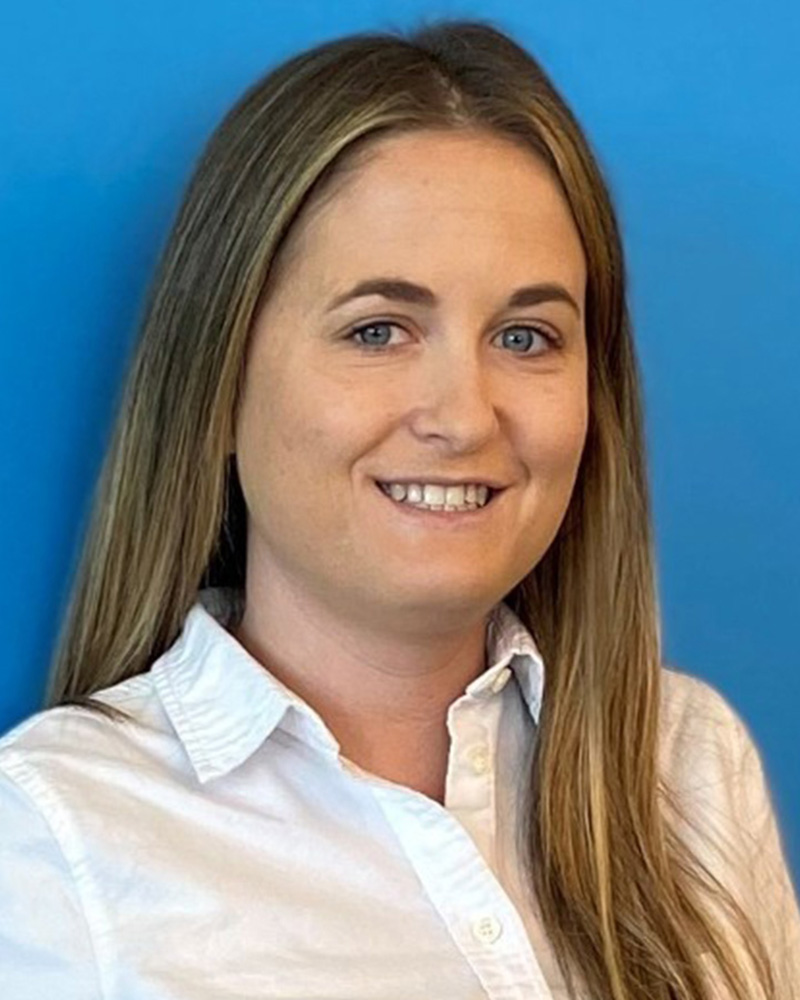 Genentech, Philadelphia, PA
Colleen Kovacsics is the Principal EHS Program Manager at the Roche Innovation Center of Philadelphia.
Session 1 | Arnold G. Wedum Memorial Lecture Award
8:25 – 9:15 am Planetary Protection: An Intersection of Biosafety, Biosecurity, and Space Exploration
Alvin Smith, PhD, PMP, NASA Johnson Space Center, Houston, TX
9:15 – 9:25 am Q&A Session
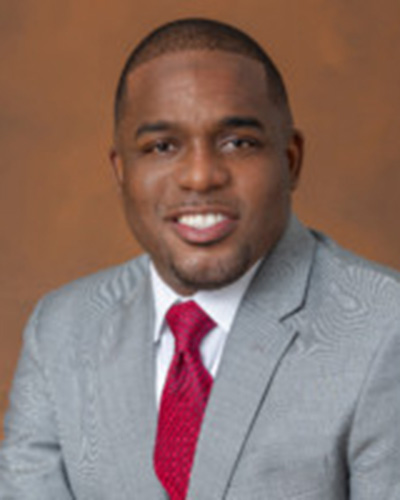 NASA Johnson Space Center, Houston, TX
Dr. Alvin L. Smith’s career reflects a greater than two-decade multi-faceted technical journey spanning vaccine development, high-containment science, planetary exploration, and high-value mission readiness. Currently, Alvin serves as the Project Manager for the Mars Sample Receiving Project within the Astromaterials Research & Exploration Sciences (ARES) Division at NASA’s Johnson Space Center in Houston. He guides multidisciplinary teams to prepare for sample return missions from the lunar surface and restricted planetary bodies. His management work centers on developing technical solutions to secure and analyze extraterrestrial materials—critical steps in answering foundational questions about planetary history and habitability. Before joining JSC, Alvin contributed to mission implementation as a Planetary Protection Engineer and Center of Excellence Manager at the Jet Propulsion Laboratory, supporting programs such as the Mars 2020 Rover and Europa Clipper. His technical oversight helped ensure that exploration systems were designed with planetary protection, scientific integrity, and operational safety in mind. Alvin’s earlier career in high-containment laboratories shaped his expertise in biodefense, where he developed medical countermeasures and biodetection strategies for high-consequence biological threats. His experience with biological threats has informed numerous U.S. government agencies (Congress, Department of Defense/War, Department of Homeland Security, Health and Human Services, and the intelligence community), strengthening national preparedness and scientific response capabilities. Today, Alvin’s work extends beyond sample return. He collaborates closely with NASA’s Moon Base teams, advancing concepts for human exploration, backward planetary protection (BPP), human safety models, and integrated mission planning that links future lunar bases with eventual human missions to Mars. His contributions help shape how humanity prepares for long-duration presence on other worlds. Alvin holds a doctorate in Medical Microbiology from Howard University, a bachelor’s degree in biology from Talladega College, and is a certified Project Management Professional.
9:25 – 9:55 am | Exhibits, Posters, and Coffee Break
Session 2 | Soft Skills for Hard Times
9:55 – 10:10 am It’s Not Pushback, It’s Neuroscience: SCARF‑Informed Change Management For Biorisk Professionals
Sherry S. Bohn, PhD, CBSP(ABSA), University of Maryland—Baltimore, Baltimore, MD
Walk away with practical techniques to manage resistance, handle conflict, and lead change more effectively in everyday biosafety and biosecurity interactions.
10:10 – 10:25 am Unlocking Your Inner Hero: Survival Tools For Solo Biosafety Professionals
Matt Anderson, PhD, RBP(ABSA), CBSP(ABSA), MRIGlobal, Kansas City, MO
Biosafety professionals can improve effectiveness and avoid burnout by applying the H.E.R.O. framework detailed in this presentation to intentionally manage time, build efficient systems, prioritize self‑care, and stay connected to professional support networks.
10:25 – 10:40 am Building A Resilient Biosafety Career
Sivarchana Boada, PhD, RBP(ABSA), Rutgers University, Newark, NJ
Deliver actionable, evidence-informed strategies to enhance career resilience, promote workforce sustainability and support effective professional transitions in the biosafety field.
10:40 – 10:55 am Q&A Session
University of Maryland—Baltimore, Baltimore, MD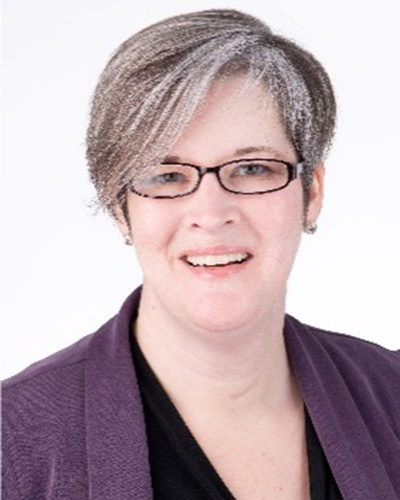
Sherry S. Bohn, PhD, MSL, CBSP(ABSA) is the Executive Director of Environmental Health and Safety (EHS) at the University of Maryland, Baltimore, where she leads programs that protect people, research, and the environment across a complex academic system. A microbiologist and crisis-management professional, she is known for pairing scientific rigor with people-centered leadership to build systems that help teams work safely and confidently. Her career spans industry, government, and academia, including a postdoctoral fellowship with the NIH National Biosafety and Biosecurity Training Program (NBBTP) and service on its Scientific Advisory Board. Active in the biosafety and biosecurity community for more than 15 years, Dr. Bohn is currently Past-President of ABSA International, an avid supporter of her local affiliate, ChABSA, and an instructor for the Indiana University of Pennsylvania’s Biorisk Management Certificate. While still firmly rooted in biosafety and EHS, she has of late turned her focus to the ever-expanding world of organizational theory and team dynamics.
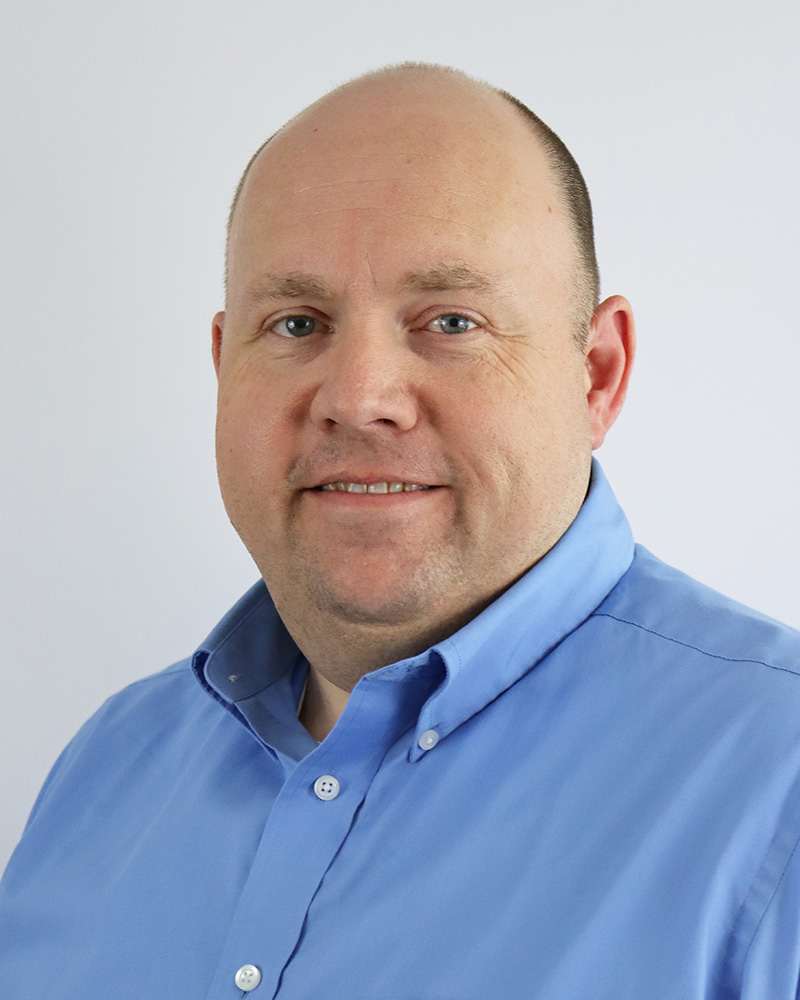 MRIGlobal, Kansas City, MO
Matt Anderson, PhD, RBP(ABSA), CBSP(ABSA), is a Senior Biosafety and Biosurety Officer with almost two decades of professional experience supporting biosafety programs in complex research and contract research environments. His career has focused on the practical application of biosafety principles to enable safe, compliant, and effective biological research across a broad range of scientific disciplines. Dr. Anderson has extensive experience providing biosafety oversight for high containment laboratory operations, where he has supported research planning, protocol review, facility operations, and incident response. His work has spanned biological risk assessment, containment strategy selection, and the implementation of administrative, engineering, and procedural controls aligned with the actual risk profile of research activities. He has worked closely with multidisciplinary project teams to integrate biosafety requirements into experimental design while maintaining research efficiency and sponsor expectations. In contract research settings, Dr. Anderson has supported diverse portfolios involving evolving methodologies, compressed timelines, and heightened regulatory scrutiny. He has led efforts to standardize review processes, clarify decision authority, and apply risk based prioritization tools to improve consistency, transparency, and defensibility in biosafety decision making. His experience includes advising leadership on program structure, resource allocation, and compliance strategy across multiple regulatory frameworks.
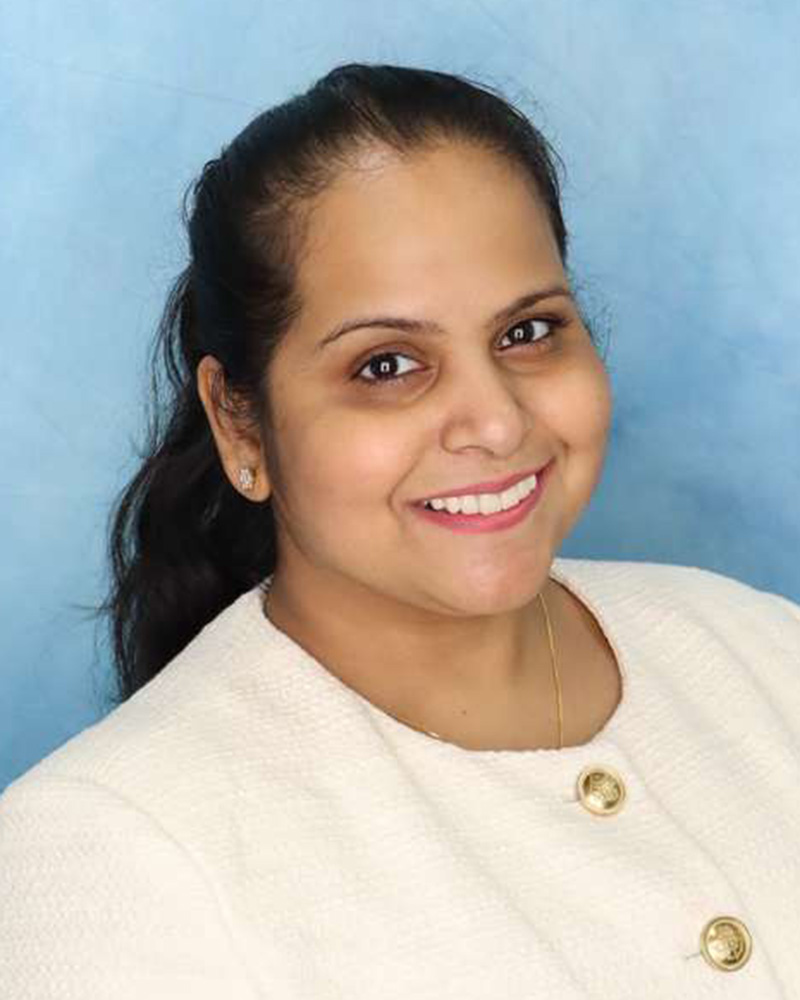 Rutgers University, Newark, NJ
Sivarchana Boada, PhD, MS, RBP(ABSA), is a biosafety professional with expertise in scientific and regulatory compliance, biosafety program development, and high-containment laboratory operations. She earned her PhD in Public Health (Environmental Health) from the University of Louisville and completed NIH NBBTP/IRTA postdoctoral training in 2023. Her doctoral research focused on developing and validating a biosafety climate scale and conducting survey-based analyses of safety perceptions in biological research laboratories. Dr. Boada has over a decade of multidisciplinary experience across federal research institutions, academic laboratories, and healthcare systems, and has presented at scientific conferences and published in peer-reviewed journals. Her work bridges rigorous scientific practice with people-centered approaches. This commitment extends beyond the laboratory as she serves as a National End-of-Life Doula Alliance proficient Death Doula, Hospice Volunteer, and Patient and Family Advisory Council Member, reflecting her belief that resilience, transitions, and human support are central to both biosafety practice and life.
10:55 – 11:10 am | Break
Session 3 | Poster Speed Talks
11:10 – 11:40 am
If You’re HAB-by and You Know it, Wash Your Hands!
Michele Edenfield, MS, RBP(ABSA), U.S. Geological Survey, Norcross, GA
How to Mitigate and Respond to Threats in the Laboratory
Eric Lundquist, RBP(ABSA), MLSCM(ASCP), Minnesota Department of Health, St. Paul, MN
Validation of an Autoclave Cycle for Ruminant Waste
Rachael Sullivan, MS, RBP(ABSA), Biosecurity Research Institute, Kansas State University, Manhattan, KS
Clinical Use of Phage Therapy to Combat Antibiotic Resistant Infections
Scott Swindle, PhD, Advarra, Cary, NC
A Carcass Surrogate: Ballistics Gel
Trent Peacock, PhD, RBP(ABSA), CBSP(ABSA), Texas Biomedical Research Institute, San Antonio, TX
IBC Process Improvement Initiative–Streamlining IBC Oversight While Empowering the Laboratory Safety Program
Linna Makmura, City of Hope, Duarte, CA
VHP Decon Validation of Chemical Indicators vs. Biological Indicators
Christy Myrick, PhD, RBP(ABSA), CBSP(ABSA), Centers for Disease Control, Atlanta, GA
Compliance Requirements and Testing of Interior Finishes in High-Containment Facilities
Tom Walus, Canadian Association for Biological Safety, Winnipeg, Manitoba, Canada
Psychological Safety and its Role in Strengthening Biosafety Programs
Marianna Sansone, University of South Florida, Tampa, FL
Understanding Current Autoclave Safety Practices for Laboratory Spaces
Jocelyn Mendoza, MPH, National Institutes of Health, Bethesda, MD
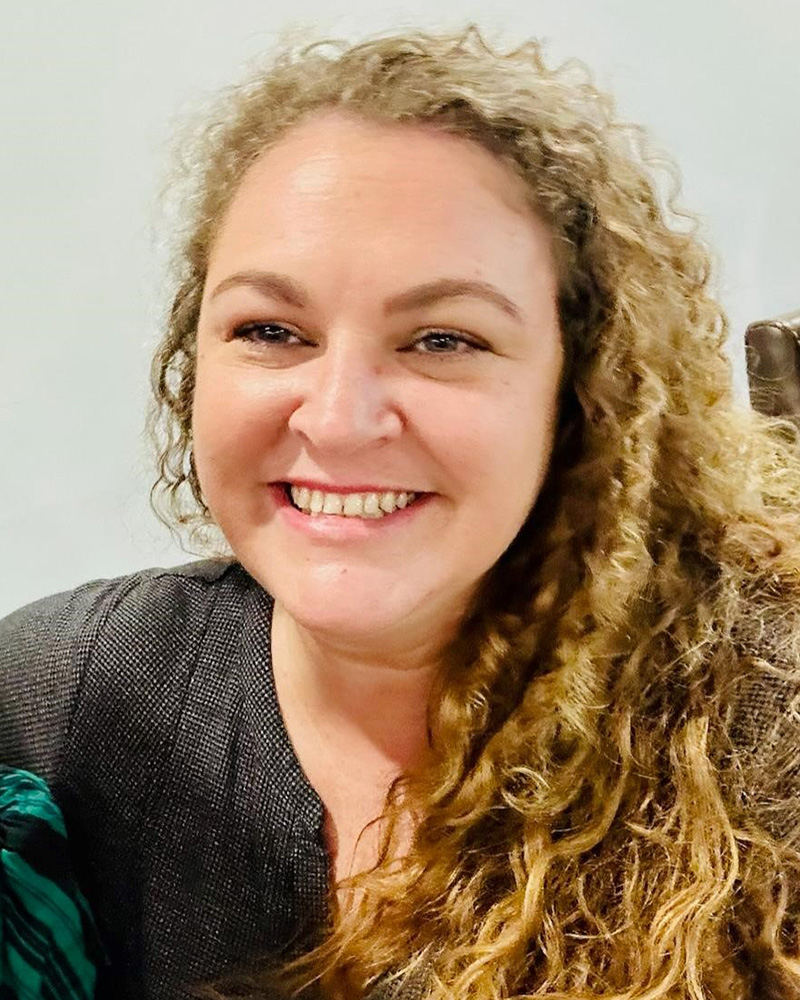 U.S. Geological Survey, Norcross, GA
Michele Edenfield is the USGS Bureau Biosafety Senior Scientist (aka Biosafety Officer), leading biosafety oversight, program development, and operational risk assessment across laboratory and field scientific activities. Specific to this project, she specializes in integrating biosafety principles into environmental operations where traditional frameworks may not fully address field-associated risks. Her leadership advances risk-based decision-making and supports enhanced Job Hazard Analyses for emerging hazards, including harmful algal blooms. Michele is a registered Biosafety Professional with 15+ years of biosafety and biosecurity experience at government and academic institutions. Prior to her biosafety roles, Michele was a bench scientist in high-containment, infectious disease laboratories working with animals and viruses. She also spent time in corn and cotton fields studying fungi and other plant pathogens. Michele is passionate about biosafety, biosecurity, and educating scientists about safe science.
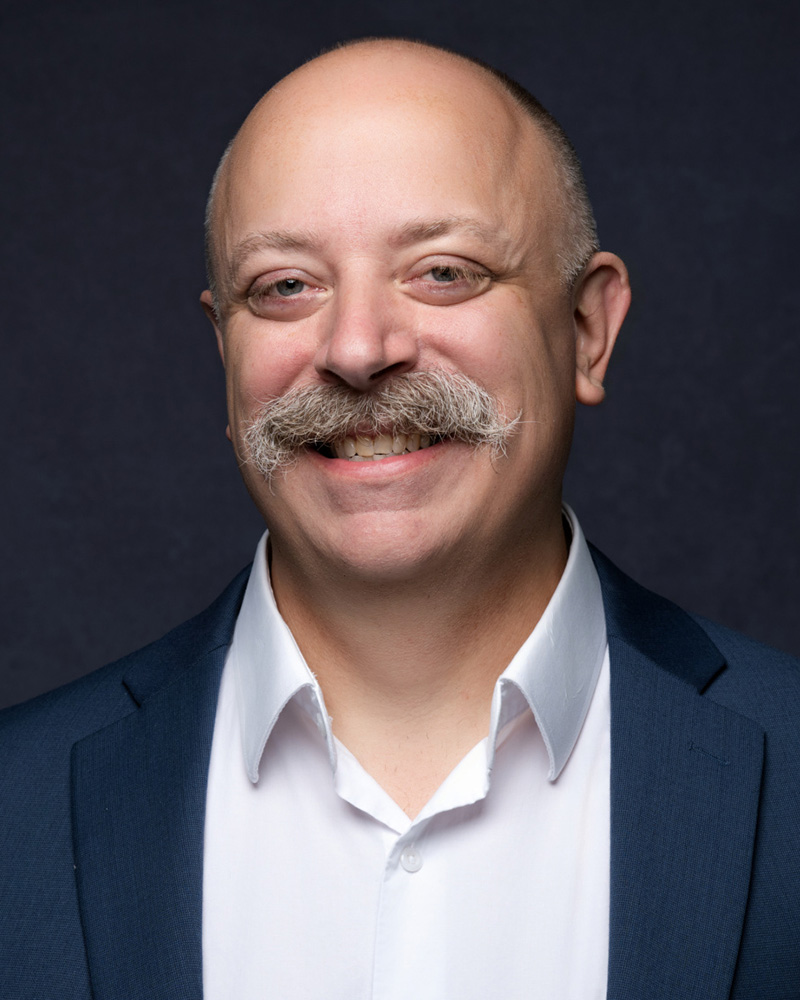 Minnesota Department of Health, St. Paul, MN
Eric Lundquist is the Biosafety Coordinator at the Minnesota Department of Health. He is a Medical Laboratory Scientist and Registered Biosafety Professional with over 18 years of experience in laboratory training and biosafety. He has worked in Chemistry, Immunology, and Microbiology in clinical labs, as well as an LRN-B lab in Public Health. Eric brings a unique perspective to training and biosafety, having worked in clinical, agricultural, and public health laboratories.
Rachael is a Senior Laboratory Coordinator at the BRI. As a working supervisor, she works with the other Lab Coordinators to order PPE and supplies for the research labs, set up labs prior to research studies, decontaminate research spaces after project completion, and sterilize waste from the research areas. The Lab Coordinators facilitate communication between different groups both in and out of the building, such as operations staff, biosafety staff, equipment vendors, EH&S, and researchers. Rachael also serves as a member of the BRI Project Coordination Committee which functions to schedule research projects in the facility. Rachael worked as a Biosafety Specialist for seven years before becoming a Lab Coordinator. Prior to that, she worked in infectious disease research at the BSL-3 level with organisms such as Brucella melitensis, Francisella tularensis, and Yersinia pestis. She enjoys teaching and implementing practical strategies for improvement in the constantly changing research program at the BRI.
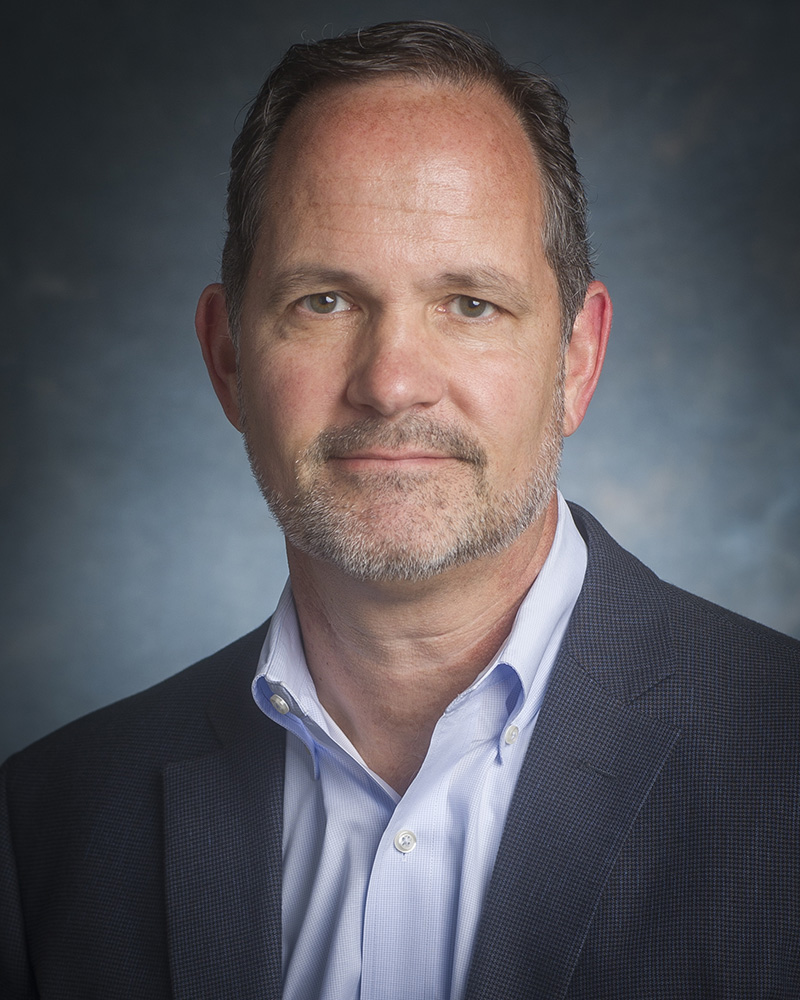 Advarra, Cary, NC
Scott Swindle is currently the Director of Biosafety Services at Advarra, Inc, where he manages and serves as vice-chair for Advarra’s Institutional Biosafety Committee (IBC). The Advarra IBC provides externally administered IBC services for over 1,500 research facilities, primarily overseeing human gene therapy research. Prior to joining Advarra in 2021, Scott had a long career as a research professor in academia, where he investigated molecular mechanisms of various biological processes, including viral replication, oncogenesis, gene therapy, and stem cell biology. This ultimately led him into biosafety and regulatory compliance for biomedical research.
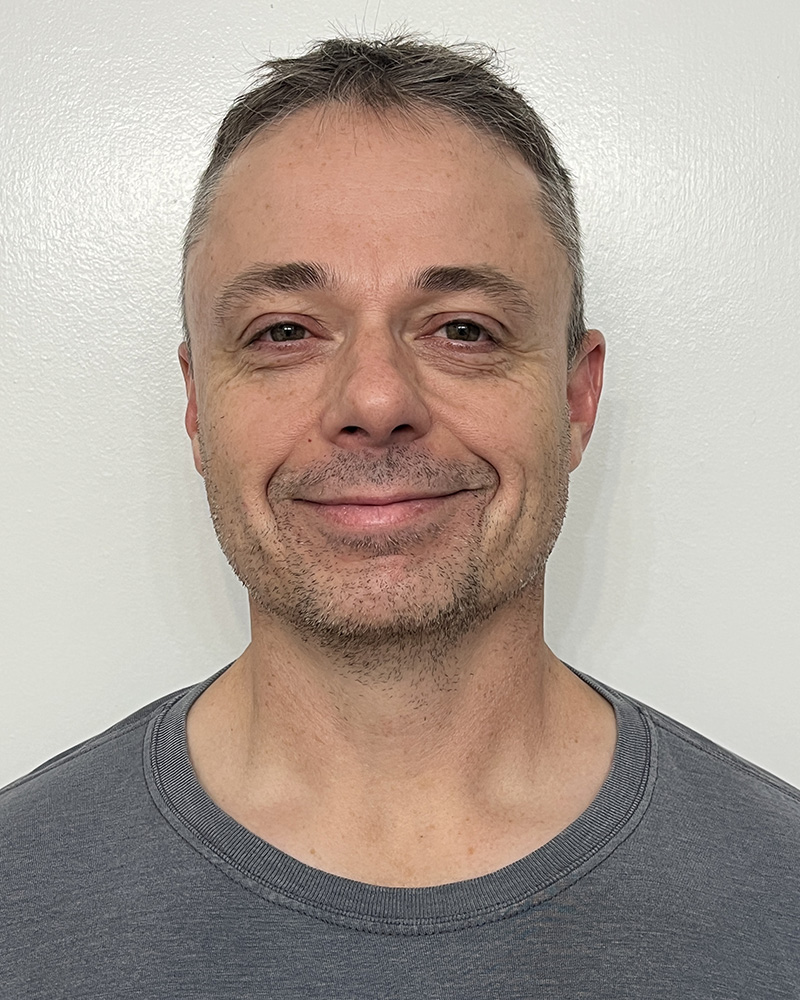 Texas Biomedical Research Institute, San Antonio, TX
Trent Peacock currently serves as the Biological Safety Officer and Alternate Responsible Official for Texas Biomedical Research Institute (Texas Biomed), and is responsible for providing risk-based guidance, analysis and consultation for the containment and control of biological hazards present within Biological Safety Levels (BSL) 1 through 4 with and without animals. Serving as the vice-chair of the IBC, the author provides guidance and one-on-one instruction on research protocol development to new and existing Principle Investigators, staff scientists, post-doctoral researchers and graduate students. Previously, the author has served as an academic Institutional Biosafety Officer, as well as, a U.S. Army and U.S. Army Reserve Clinical Microbiologist, Research Microbiologist, Responsible Official and Biological Safety Officer.
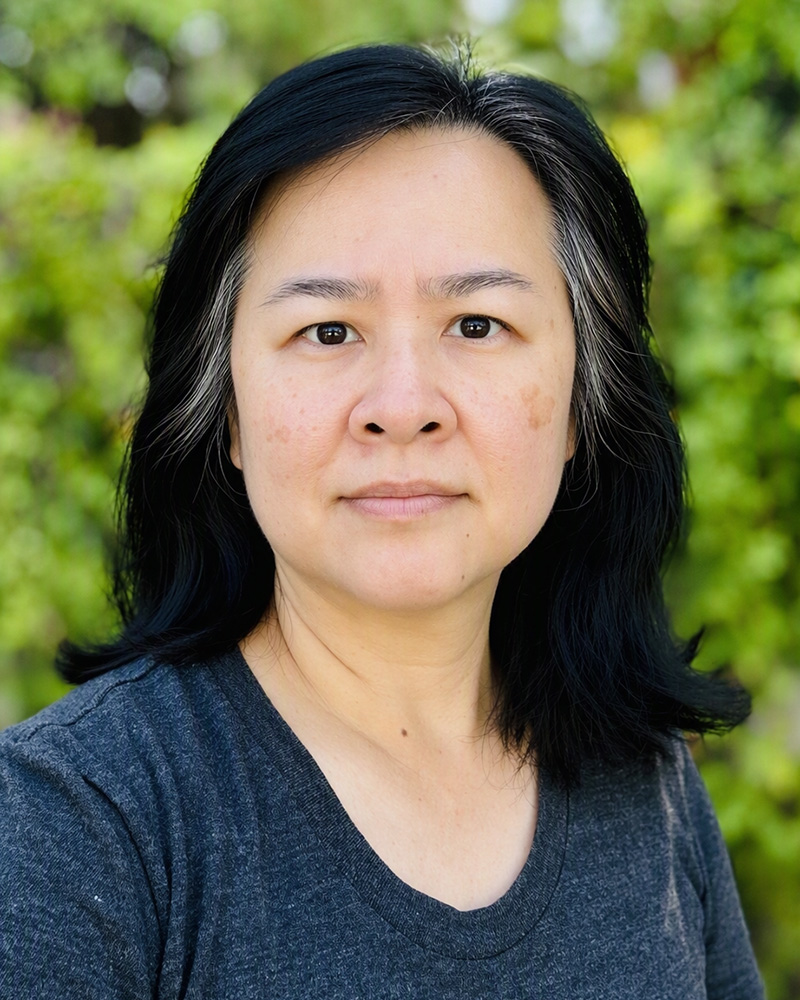 City of Hope, Duarte, CA
Linna Makmura is a regulatory and research compliance leader with more than 20 years of experience supporting biomedical research programs and institutional oversight committees. Currently serving as Manager of Laboratory Research Protections at City of Hope, she provides strategic and operational leadership for biosafety, radiation safety, and research compliance programs, ensuring adherence to federal regulations and institutional policies while advancing efficient, high-quality research review processes. Throughout her career, Linna has led major process improvement initiatives, including redesigning regulatory review workflows, implementing electronic research administration systems, and reducing protocol review timelines through innovative committee operations. Her expertise spans biosafety, radiation safety, stem cell research oversight, human gene transfer research, research training, and regulatory program management. A biotechnology graduate of California State Polytechnic University, Pomona, she combines a strong scientific foundation with extensive experience in research administration, compliance, and operational excellence.
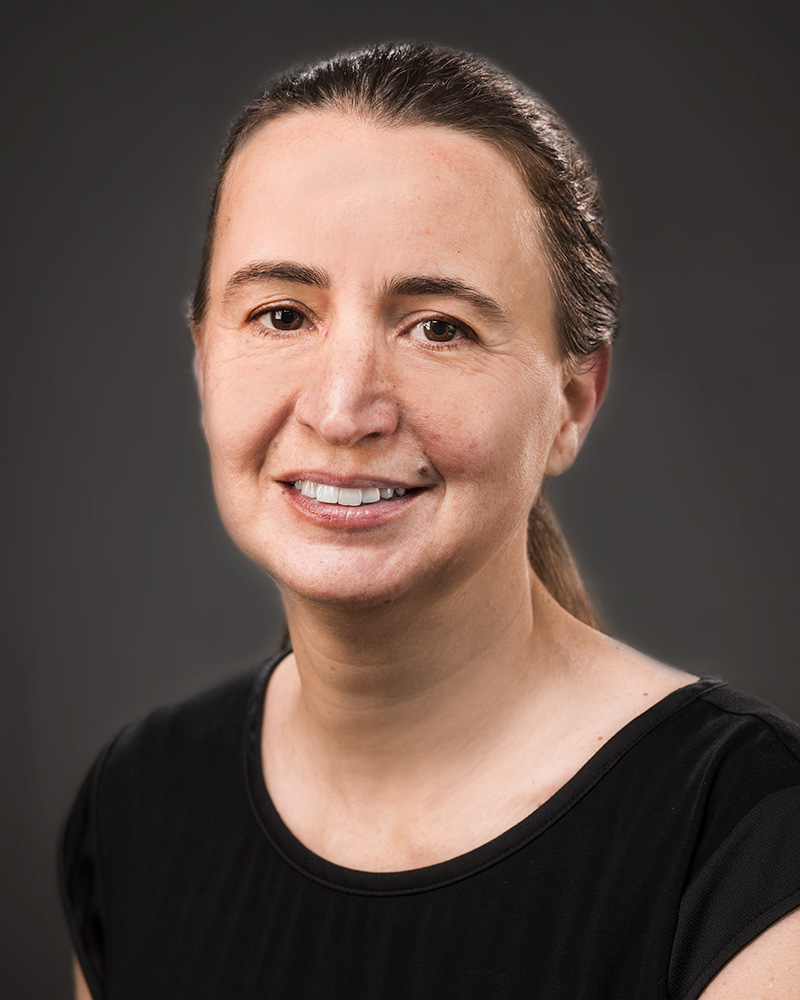
Christy Myrick is a biosafety manager in CDC’s Office of Laboratory Safety. She previously served as an auditor with the U.S. National Authority for the Containment (NAC) of Poliovirus at the CDC, on the steering committee for the BMBL 6th edition, and as a senior inspector for the Federal Select Agent Program (FSAP). Christy earned her PhD in Immunology and Pathology from the University of Florida and worked on HIV at Emory’s Vaccine Center before joining CDC.
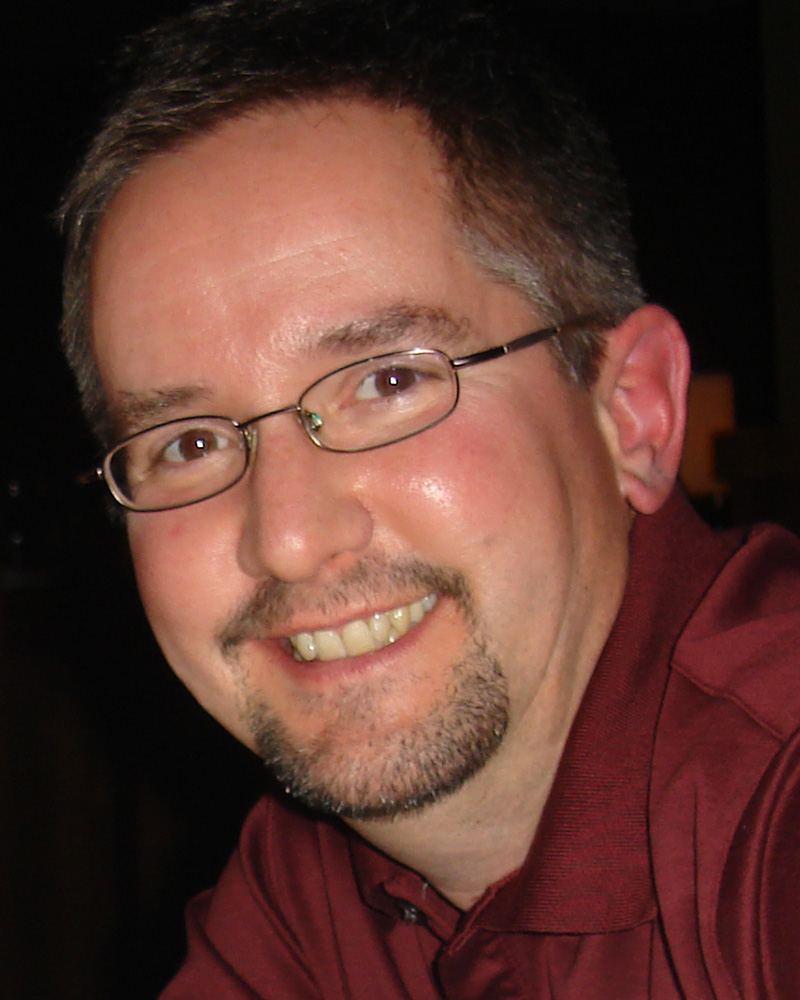 Canadian Association for Biological Safety, Winnipeg, Manitoba, Canada
Tom Walus, BSc, RBSO (CABS-ACSB) is the Account Executive and Biosafety professional for Arcoplast. He is also the Finance chair for the Canadian Association for Biological Safety (CABS-ACSB). He earned his undergraduate degree from the University of Winnipeg, Manitoba, Canada. He has over 35 years of experience in clinical microbiology having worked at the Health Sciences Centre and St. Boniface Hospital in Winnipeg. He also spent 3 years as the lab manager for microbiology at the Royal University Hospital in Saskatoon. He also worked at the International Centre for Infectious Diseases, in Winnipeg, as program director for biosafety. He also worked for 7 years as the Biosafety Officer for Shared Health and Diagnostic Services Manitoba in Winnipeg.
 University of South Florida, Tampa, FL
Marianna Sansone is a Safety and Compliance Officer within the Biosafety Program at the University of South Florida, where she supports biosafety and compliance activities in academic research laboratories. She holds a Bachelor of Science in Molecular Biology and is currently pursuing a Master of Science degree. Her professional laboratory experience includes disease surveillance in a molecular diagnostic laboratory for the State of Florida and molecular oncology research at the H. Lee Moffitt Cancer Center. Marianna is a member of the American Biological Safety Association (ABSA International) and the Southeastern Biological Safety Association (SEBSA).
 National Institutes of Health, Bethesda, MD
Jocelyn Mendoza graduated from Cornell University with a Master in Public Health focused on infectious disease epidemiology. During her master’s program, she took interest in One Health concepts, policy analysis, biosafety, environmental justice, and infectious diseases. She collaborated with the university’s Biosafety & Biosecurity team to analyze incident report data. Through that experience she provided the team recommendations on how to strengthen reporting and advance awareness for the importance of reporting incidents on campus. Simultaneously while pursuing her degree, she worked full-time as a Senior Veterinary Technologist/Licensed Veterinary Technician at Cornell’s Center for Animal Resources and Education (CARE). While at CARE, she helped manage the Surgery and Anesthesia team, spearheaded the development of the department’s Microbiological Monitoring program, and coordinated project planning for projects working with a variety species. Her experience and training in laboratory animal medicine have expanded her appreciation for all the animals and people involved in advancing biomedical discoveries, like biosafety professionals. Therefore, she joined the National Institutes of Health’s National Biosafety and Biocontainment Training Program (NBBTP) as a fellow in 2024 to learn from experts in the field about safety practices in research. During her time as a fellow, she has collaborated on various projects for the advancement of biomedical research. Additionally, she has learned about conducting risk assessments, the operations for high-containment spaces, the importance of industrial hygiene practices, and implementation of safety culture. She tasked herself to find an area that the NIH community could benefit from, in this developing her capstone project focused on autoclave safety. She looks forward to continuing to incorporate her laboratory animal science training with her public health skillset to advance biosafety principles.
11:40 am – 1:10 pm | Exhibits, Posters, and Lunch
Session 4 | Poster Session
12:10 – 1:10 pm Presenters must be available during the session.
Session 5 | Invited Speaker
1:10 – 1:55 pm Where Arthropods, Pathogens, and Animals Meet: Navigating Biosafety in Arthropod and Vector–Borne Disease Research
Kathryn Reif, PhD, Auburn University, Auburn, AL
1:55 – 2:10 pm Q&A Session
 Auburn University, Auburn, AL
Dr. Kathryn Reif is the Bailey-Goodwin Endowed Professor in Parasitology and an Associate Professor in the Department of Pathobiology at Auburn University. She also serves as Vice President for the American Association of Veterinary Parasitologists, a board member for the Companion Animal Parasite Council, and a member of the Companion Animal Vector-Borne Disease World Forum. Her research program integrates vector biology, veterinary parasitology, and applied disease control, with a particular focus on tick feeding biology, pathogen transmission dynamics, and the comparative efficacy of ectoparasiticides—including studies on tick speed of kill and its role in disease prevention. Dr. Reif’s laboratory has pioneered innovative techniques to study vector–host interactions and evaluate parasite transmission dynamics. Collectively, Dr. Reif’s work bridges fundamental vector biology with clinical applications that inform evidence-based parasite management. She is a frequently invited speaker at national and international conferences and is passionate about translating parasitology research into practical solutions for veterinarians, pet owners, producers, public health professionals, and the general public. She received her PhD from Louisiana State University, Baton Rouge, LA, Post-doctoral Fellowship from Washington State University, Pullman, WA, and Post-doctoral Fellowship from USDA, ARS, Animal Disease Research Unit, Pullman, WA.
2:10 – 2:40 pm | Exhibits, Posters, and Coffee Break
Session 6 | Biosafety Program Management
2:40 – 2:55 pm From SOPs To System: Implementing A Biorisk Management Framework At A CRO
Tristan White, MSc, BioAgilytix Labs, Durham, NC
Learn practical strategies for transforming disconnected biosafety procedures across multiple sites into an integrated biorisk management framework, including tools to standardize laboratory risk assessments and improve organizational oversight of biological risk.
2:55 – 3:10 pm Pre-Inspection Town Halls: Building Transparency and Strengthening Biosafety Compliance Across a Large University
Stephanie Adams-Tzivelekidis, MS, RBP(ABSA), University of Pennsylvania, Philadelphia, PA
Pre-Inspection Town Halls improve laboratory preparedness for inspections while reducing compliance findings and will measurably support compliance and strengthen collaboration between research staff and biosafety officers.
3:10 – 3:25 pm Developing a Biosafety QA Training Program
Kathleen Woods Ignatoski, PhD, CPBCA, University of Michigan, Ann Arbor, MI
Certify compliance with regulations and guidelines, catch IBC application drift, ensure proper oversight, and disseminate information.
3:25 – 3:40 pm Q&A Session
 BioAgilytix Labs, Durham, NC
Tristan is a safety professional specializing in chemical and biological safety within laboratory and research environments. He currently supports a contract research organization, where he oversees safety programs across laboratories, office spaces, and operational areas, with a focus on biological, chemical, and physical hazards. As a Certified Industrial Hygienist (CIH) and Certified Safety Professional (CSP), Tristan brings expertise in risk assessment, exposure control, and the development of practical, scalable safety systems. His work emphasizes integrating biorisk management into everyday laboratory operations, ensuring that safety practices are both effective and sustainable.
 University of Pennsylvania, Philadelphia, PA
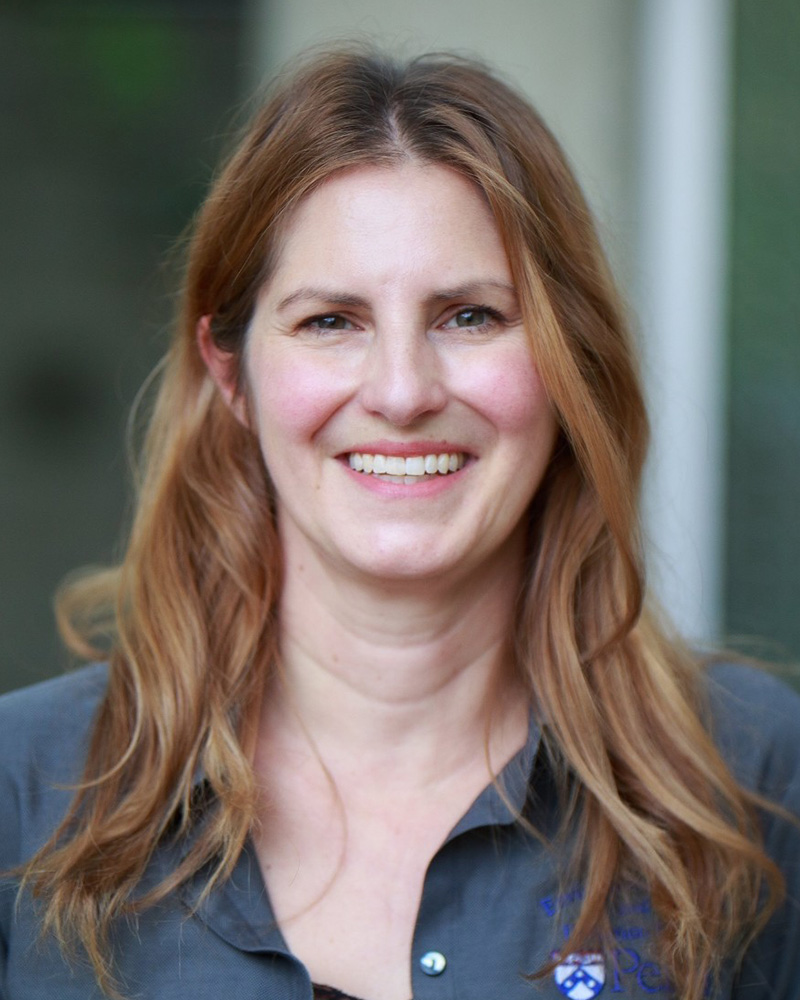
Stephanie Adams-Tzivelekidis holds a Master of Science degree from the University of Hohenheim in Stuttgart, Germany, and brings over a decade of experience in research and clinical laboratory settings. She served as a laboratory manager for eight years at the University of Pennsylvania in the Departments of Genetics and Biomedical Sciences and previously worked in Clinical Genetics in Germany for three years. For the past three years, Stephanie has been part of the University of Pennsylvania’s Biosafety team as an Assistant Biosafety Officer and earned her Registered Biosafety Professional (RBP) credential in May 2025. In her current role, she oversees the Biological Registry and laboratory inspections, conducts risk assessments, and reviews IACUC protocols and IBC registrations. She also leads key initiatives, including the Permissible Amounts Select Agent Toxin Program, the Field Safety Program, and the Pre-Lab Inspection Town Halls.
 University of Michigan, Ann Arbor, MI
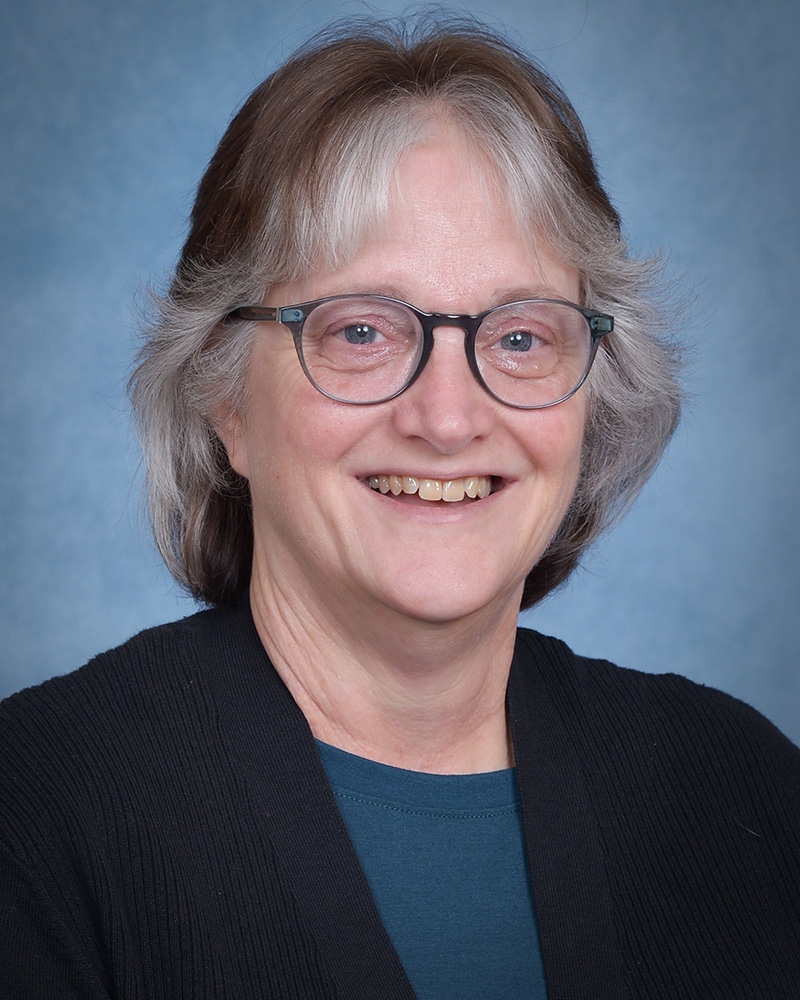
Kathleen Ignatoski received a BS in Biology: Genetic Engineering and Developmental Biology from Penn State University, and MS in Biology: Viral Oncology from Villanova University, and a PhD in Cell and Molecular Biology with a minor in Microbiology from the Penn State College of Medicine. She has over 30 years of research experience on various cancers, bone metastasis, colitis, gut microbiome, stem cell reprogramming, 3D cell growth, autism, bipolar disorder, and depression. Kathleen has been a safety coordinator for large departments at the University of Michigan and is now an institutional biosafety quality assurance specialist. She is also the research lead for the Neurodiversity Project at the University of Michigan and oversees 10 student projects.
3:40 – 3:55 pm | Break
Session 7 | Lessons Learned and Best Practices
3:55 – 4:10 pm Lessons Learned From Laboratory Related Exposures
Peili Zhu, MD, PhD, RBP(ABSA), University of California—San Francisco, San Francisco, CA
Outline lessons learned from laboratory-related exposures.
4:10 – 4:25 pm Best Practices in Sustainable Solid Biohazardous Waste Management in Bangladesh
Md Asadulghani, PhD, icddr,b, Dhaka, Bangladesh
Waste generator‑level interventions have transformed biohazardous waste management in Bangladesh from a high‑cost, incineration‑dependent system into a safer, sustainable, and revenue‑generating model.
4:25 – 4:40 pm A Just Culture System: Fostering Biosafety and Biosecurity Culture Through Trust Improves Incident and Near Miss Reporting
Barbara Johnson, PhD, RBP(ABSA), Biosafety Biosecurity International, Merritt Island, FL
Provide examples of how a Just Culture System can be implemented in a laboratory setting, roles and responsibilities at different organizational levels, and various reporting methods and their advantages and challenges.
4:40 – 4:55 pm Q&A Session
 University of California—San Francisco, San Francisco, CA
Peili Zhu has been working as the Biosafety Officer at University of California San Francisco (UCSF) since 2010. She received her MD from the Southeast University of China in 1983 and PhD from the Basel University of Switzerland in 1994. She has worked for 6 years in medical clinics, 7 years in biomedical research and 20 years at EH&S. As the BSO of UCSF, she oversees the UCSF Biosafety Program which consists of more than 600 bio-medical research laboratories and several BSL-3/ABSL-3 high-containment facilities. She is very familiar with various federal, state, and local laws, policies and regulations relating to biosafety and has extensive experience overseeing the operations of BSL-3/ABSL-3 facilities. As the Responsible Official of the UCSF Select Agent program, she also has significant knowledge of Select Agent regulations and biosecurity.
 International Centre of Diarrhoeal Disease Research, Bangladesh (ICDDR,B), Dhaka, Bangladesh
Dr. Asadulghani has been working in the field laboratory systems strengthening using One Health platform in Bangladesh since 2010, with 14 years’ experience of research in the field of Molecular Genetics and Bacteriophage Biology, at home and abroad, since 1993. He has an MSc and MPhil in the field of Molecular Genetics, from the University of Dhaka. He has a PhD, in the field of post-transcriptional regulation of genes expression, from the Saitama University, Japan in 2004. Completing his postdoctoral research as a Research Associate and JSPS Postdoc Fellow, at the University of Miyazaki, Japan, he joined as an Assistant Professor in the Division of Microbiology and continued working in the Microbial Whole Genome Sequencing Group, Japan. Since September 2009, he has been working as the Head of Biosafety, leading biosafety and biosecurity program, at icddr,b. Side by side, he is leading the nation-wide Biosafety and Biosecurity program and biohazardous waste management program, as well. He was leading strengthening AMR laboratory capacity program under the First Fleming fund Country Grant to Bangladesh and the “Qualifying Workforce for AMR Surveillance in Asia and Africa” in Bangladesh. He has been working for ISO 15189 accreditation of Clinical Laboratory Services at icddr,b since 2010, and solely contributing to ISO 15190 accreditation of the same since 2016. He is a member of the ISO Biorisk Management working group ISO/TC 212/WG5, representing IFBA and a member of the WHO Technical Advisory Group on Biosafety. Currently, he is also a member of the ABSA International Engagement Committee.
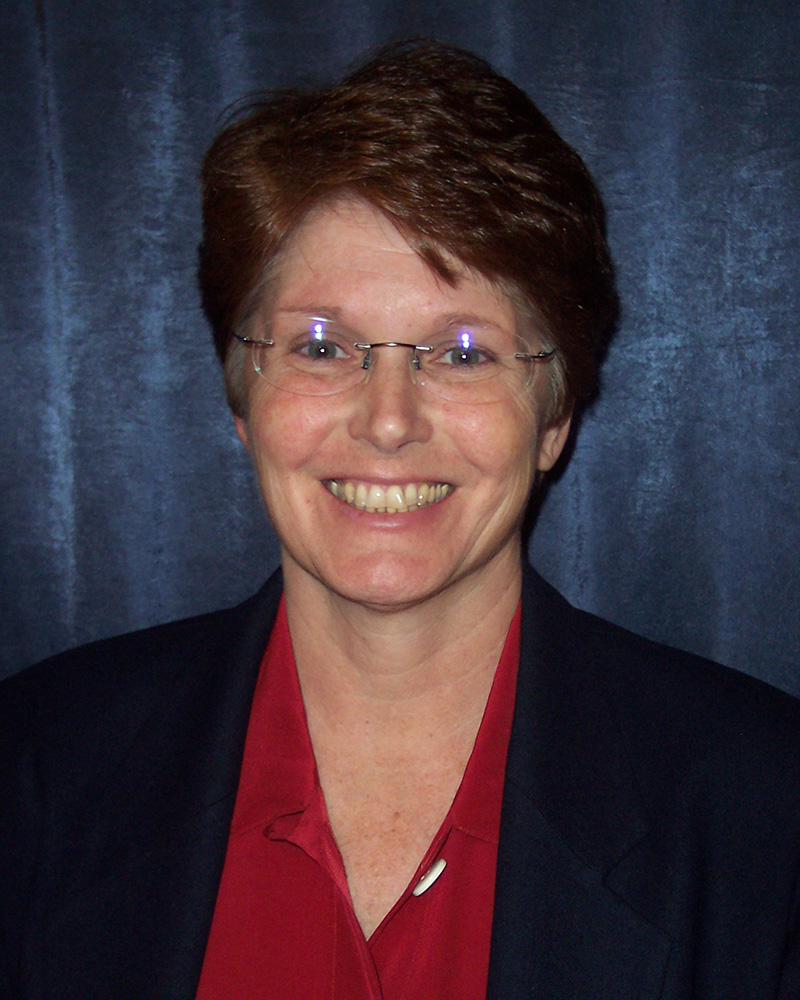 Biosafety Biosecurity International, Merritt Island, FL
Dr. Johnson has held positions in U.S. Government and in private industry as a biosafety and biosecurity professional and Senior Scientist in microbiological science and technology for the past 25 years. She has managed the construction of facilities for DOD and provides consultation on biosafety and biosecurity matters as they pertain to risk assessment and mitigation, design, and construction for BSL/ABSL- 2, 3, 4 and BSL-3 Ag nationally and internationally. She provides technical and policy advice and strategies in the U.S. to the National Academies of Science, National Science Advisory Board for Biosecurity, Senate Subcommittee reauthorizing national biosecurity legislation and various government agencies, companies, and universities; as well as to international Ministries of Health.
5:00 – Close | Members’ Business Meeting
Door prizes will be awarded—must be present to win.