




69th Annual Biosafety and Biosecurity Hybrid Conference
Wednesday Scientific Program
All times listed will be Central Standard Time
Wednesday, October 14, 2026
7:00 am – 5:00 pm Registration
7:00 – 8:00 am Continental Breakfast in Foyer
Session 14 | Invited Speaker
8:00 – 8:45 am Managing Biological Risk and WMD for Resilience
Neal Woollen, DVM, PhD, Countering Weapons of Mass Destruction Allied Programs at the National Strategic Research Institute at the University of Nebraska, Omaha, NE
8:45 – 9:00 am Q&A Session
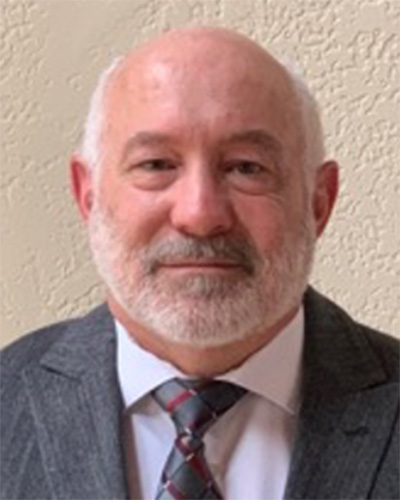 Countering Weapons of Mass Destruction Allied Programs at the National Strategic Research Institute at the University of Nebraska, Omaha, NE
Dr. Neal Woollen is the Associate Executive Director for Countering Weapons of Mass Destruction (CWMD) Allied Programs for the National Strategic Research Institute (NSRI), a University Affiliated Research Center (UARC), sponsored by the U.S. Strategic Commmand, at the University of Nebraska with strategic oversight for medical countermeasure development, food, agriculture, and environment security, and field operations and training portfolios. Dr. Woollen grew up on a farm in southcentral Nebraska that engaged in beef cattle, swine and crop production. He served as a U.S. Navy Hospital Corpsman (1975-1979) and with the U.S. Army Veterinary Corps (1994-2018); he retired from active-duty military service in May of 2018 after more than 29 years of military service. He earned Doctor of Veterinary Medicine and PhD degrees from Kansas State University and a Master’s degree in Strategic Studies from the U.S. Army War College. Throughout the second phase of his military career, his work focused primarily on managing consequences associated with zoonotic diseases and high consequence pathogens that may cause endemic or pandemic disease, be used as biological weapons, or be accidentally released from containment research operations. Dr. Woollen is experienced in laboratory studies, field work with outbreak investigations and mobile platform diagnostics, and response to accidental and intentional release of pathogens. During his military service Dr. Woollen served in command positions during two deployments to Kuwait and Iraq and as a WMD weapons inspector for the United Nations. Prior to military retirement he was tasked to plan, staff, and execute the DoD Biological Select Agents and Toxins (BSAT) Biorisk Program Office, a new office in the Department of Defense focused on merging the management of safety and security risks associated with BSAT across all the military services.
9:00 – 9:15 am | Break
Session 15 | Novel Topics in Containment
9:15 – 9:30 am Automated Cell Culture Systems and Biosafety Risk: Distinguishing Sterility Control From Biocontainment in Academic Laboratories
Ike Jacob, PhD, Boston Children’s Hospital, Boston, MA
Correctly matching system design to biological risk is essential to avoid false assumptions of containment and ensure safe implementation of automated cell culture technologies.
9:30 – 9:45 am Cleanroom vs. Containment: When cGMP Meets Biosafety in Modern Biologics Manufacturing
Allison Reeme, PhD, RBP(ABSA), CBSP(ABSA), Acacia Safety Consulting, Milwaukee, WI
Identify key differences between cGMP contamination control requirements and biosafety containment practices related to disinfection, HVAC systems, and PPE, and describe strategies for integrating both frameworks in biologics manufacturing environments.
9:45 – 10:00 am Automated Bio-decontamination for BSL Facilities Using Single Pass Air Flow
Matt Hofacre, MBA, STERIS Corporation, Mentor, OH
Integrating VHP into single‑pass airflow systems enables reliable, automated bio‑decontamination of BSL‑3/4 facilities while maintaining containment, airflow and pressure control, and HEPA filter protection.
10:00 – 10:15 am Q&A Session
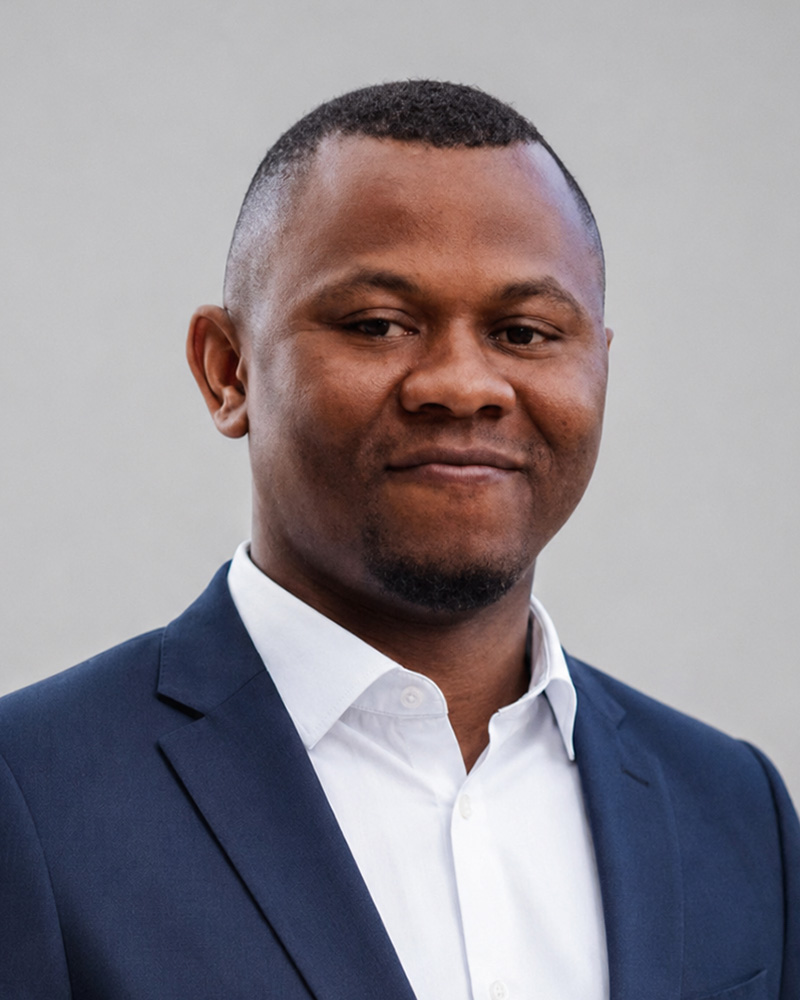 Boston Children’s Hospital, Boston, MA
Ike Jacob is an Associate Biosafety Officer at Boston Children’s Hospital, where he supports IBC review, risk assessment, and safe implementation of research involving biological materials. He earned his MSc in Virology from the University of Ibadan, Nigeria, and later completed his PhD in Microbiology and Immunology at SUNY Upstate Medical University, focusing on innate immune responses to SARS-CoV-2. Ike is passionate about translating biosafety principles into practical solutions for emerging technologies in both laboratory and clinical research settings, with a focus on bridging gaps between science, safety, and real-world applications. Outside of work, he enjoys playing tennis and pickleball, and binge-watching his favorite shows.
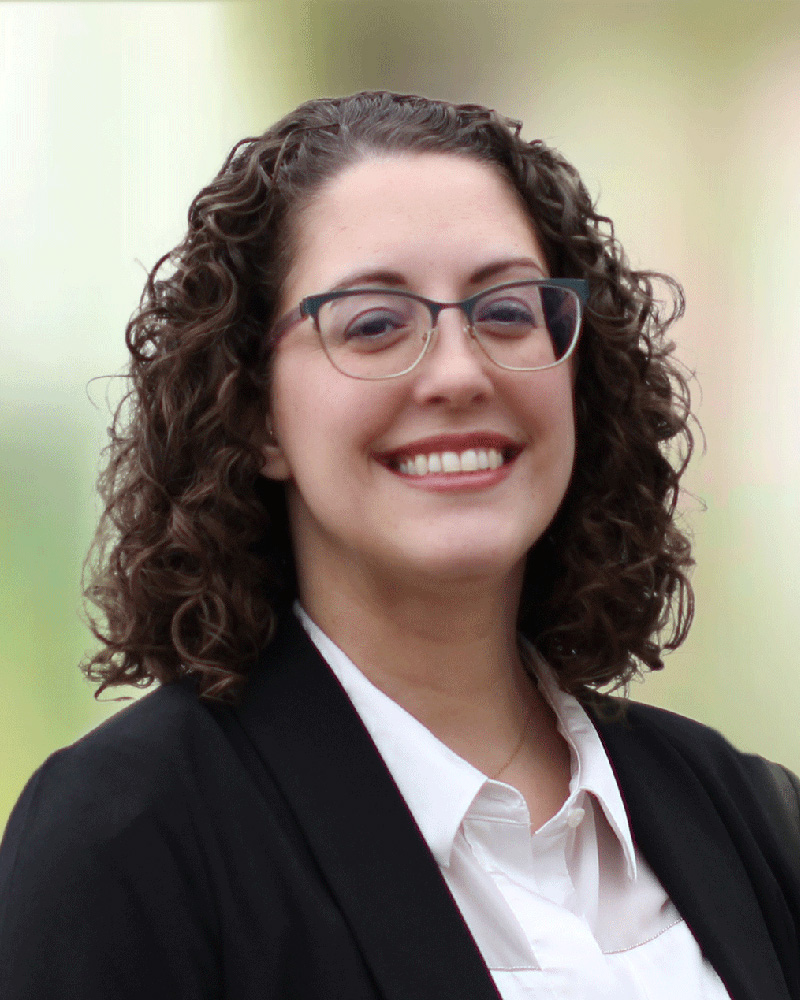 Acacia Safety Consulting, Milwaukee, WI
Allison has 10 years of experience in infection prevention and hospital epidemiology consisting of acute care, procedural and outpatient care settings. She has led multiple quality improvement projects, assisted in hospital credentialing preparedness, mitigating outbreaks of multidrug-resistant organisms and designing clinical spaces. Allison has 8 years of experience serving as a Human Gene Therapy expert (HGT) and Biosafety Expert on Institutional Biosafety Committees, supported CAR-T cell manufacturing facilities and assisted with the training and education of clinical staff supporting HGT clinical trials. Allison has also participated in multiple OSHA and NIH compliance programs in both the clinical and laboratory setting. She is certified through the Certification Board of Infection Control and Epidemiology, is a Certified Biosafety Professional and Registered Biosafety Professional through ABSA International and has doctoral degrees in Microbiology, Immunology & Molecular Genetics and Translational Science.
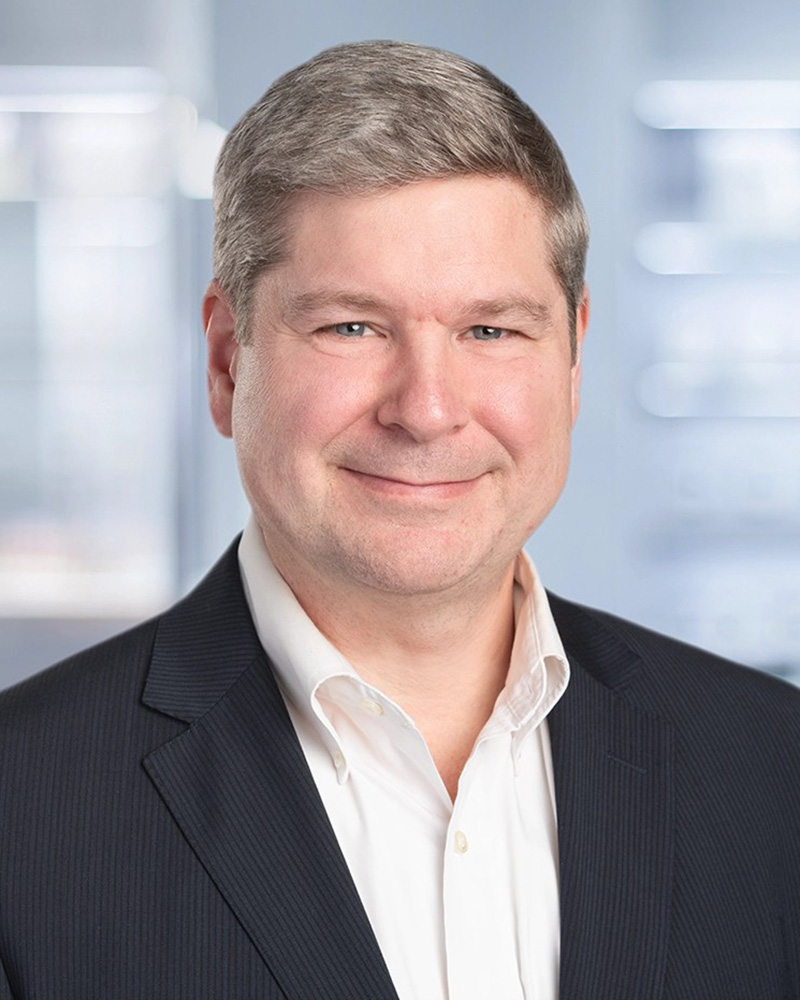 STERIS Corporation, Mentor, OH
Matt Hofacre is Senior Director of Technical Services for the Life Sciences Equipment and Services group at STERIS Corporation where he currently manages an international team of sterilization, washing and biodecontamination industry experts. He has been with STERIS for over 25 years specializing in multiple sterilization modalities, washing, high purity water, pure steam, and VHP biodecontamination equipment for the life science and medical device industries. He is a presenter and trainer at corporate, industry, and academic conferences in North America, Europe, and Asia including The Parental Drug Association (PDA), International Society of Pharmaceutical Engineers (ISPE), INTERPHEX, and The University of Tennessee Parenteral Medications Course amongst others. Matt served as co-Author for PDA Technical Report 48: Moist Heat Sterilization Systems and has contributed to numerous other articles and book chapters on steam sterilization, vaporized hydrogen peroxide (VHP) biodecontamination and sterilization, pharmaceutical washing, WFI water systems, and pharmaceutical equipment selection. Matt has a BSc in Chemical Engineering from the University of Cincinnati and an MBA from Cleveland State University.
10:15 – 10:30 am | Break
Session 16 | Assessing Your Biosafety Program
10:30 – 10:45 am Biosafety Program Assessments: Moving Beyond Compliance to Continuous Risk Reduction
Carrie Smith, PhD, RBP(ABSA), CBSP(ABSA), Merrick & Company, Greenwood Village, CO
Effective biosafety assessments must shift from checklist compliance to risk‑informed evaluation by integrating diverse perspectives, data trends, and leadership engagement to drive actionable improvements that keep pace with rapidly evolving laboratory technologies.
10:45 – 11:00 am Technology-enabled Validation of Biosafety Standard Operating Procedures and Risk Assessments at Tufts University New England Regional Biocontainment Laboratory
Tim Shukri, MSME, Cornerstone Commissioning, LLC, Boxford, MA
Demonstrate innovative practice using safe nucleic acid based airborne simulant used for SOP validation and risk assessment in a high-containment facility.
11:00 – 11:15 am Evaluating the Effectiveness of Research Safety and Compliance Training Programs at Abigail Wexner Research Institute
Sumit Ghosh, PhD, RBP(ABSA), CBSP(ABSA), Nationwide Children’s Hospital, Columbus, OH
Evidence‑based guidance to enhance the effectiveness, relevance, and compliance value of research safety training, ultimately strengthening institutional safety culture and reducing risk across the research enterprise.
11:15 – 11:30 am Articulating Biosafety Program Activities in the Context of a Simplified Public Health Logic Model
Kristin King, DrPH, CBSP(ABSA), CPH, CHSP, CIC, University of Texas Health Science Center, Houston, TX
11:30 – 12:00 pm Q&A Session
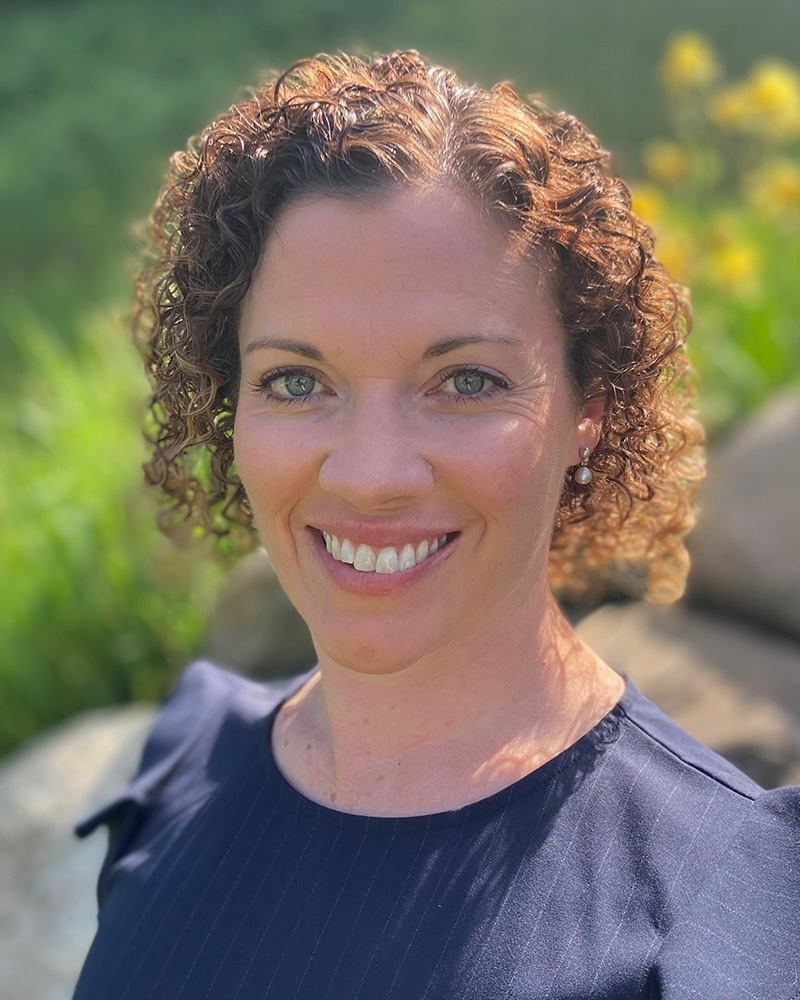 Merrick & Company, Greenwood Village, CO
Carrie Smith is a seasoned biosafety professional with over fifteen years of experience spanning academia, government, and the private sector. As a Senior Scientist at Merrick & Company, she specializes in biosafety and laboratory operations planning, helping clients design and transition laboratories through new constructions, renovations, and strategic upgrades. Her expertise also extends to training, biosafety program development, standard operating procedures (SOPs), manuals, decontamination strategies, and other critical biosafety initiatives. Before joining Merrick, Carrie held key roles in biosafety leadership, serving as BSO and ARO at Oklahoma State University, a biosafety specialist and trainer at the University of Wisconsin-Madison, and BSO and ARO at the USGS National Wildlife Health Center. She earned her undergraduate degree in Biology with a concentration in Biotechnology from the University of Delaware and went on to complete her PhD in Genetics at North Carolina State University, where her research encompassed recombinant bacteria, viruses, fungi, plants, and biological toxins. Throughout her career, Carrie has successfully led both small and large biosafety programs, demonstrating expertise in BSL-3/ABSL-3 oversight, atypical animal biocontainment, select agent program management, recombinant technology, plant biosafety, diagnostic laboratory protocols, and the development of online and in-person training. In addition to her professional contributions, she is deeply involved in educational initiatives, serving as an instructor for ABSA’s Principles & Practices of Biosafety Course, teaching the ABSA BSL-3 Operations and Management professional development course, and actively participating in the Preconference Course Committee.
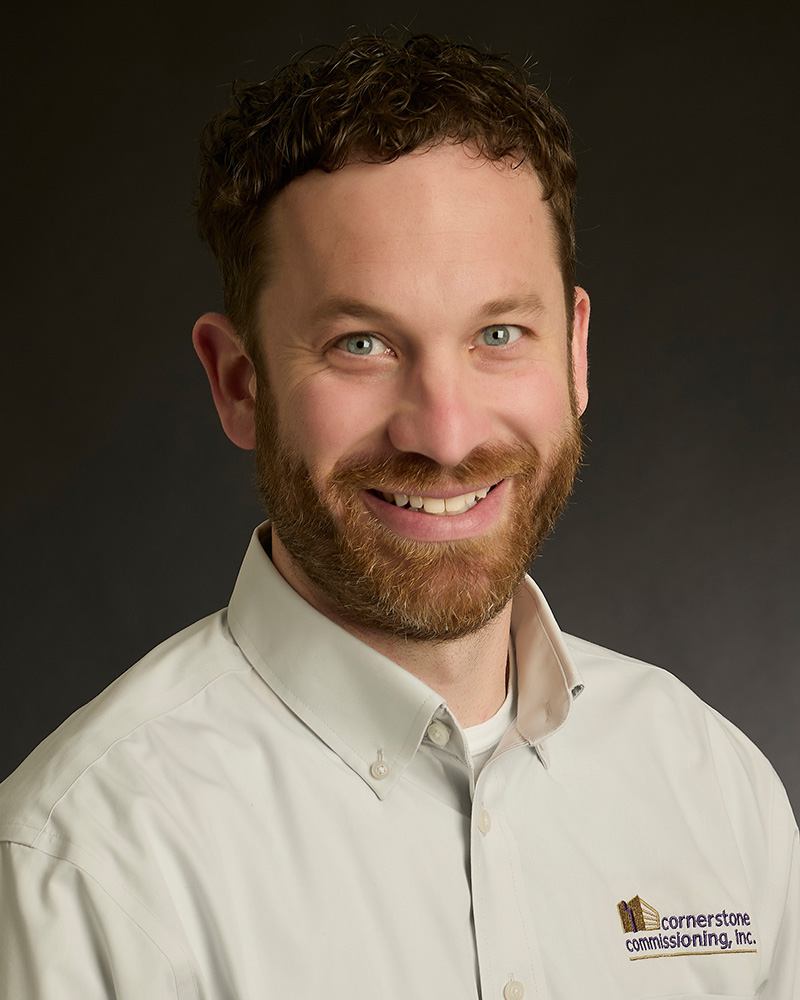 Cornerstone Commissioning, LLC, Boxford, MA
Tim Shukri is the General Manager for Cornerstone Commissioning, LLC where he leads teams in the planning, execution, and commissioning of specialized facilities. He is regularly recognized for his problem-solving abilities and highly focused attention to detail when performing systems installations and performance testing. Tim fosters a collaborative approach in the field working proactively with project team members ranging from owners to the installation contractors. He holds both Bachelor of Science and Master of Science degrees in Mechanical Engineering.
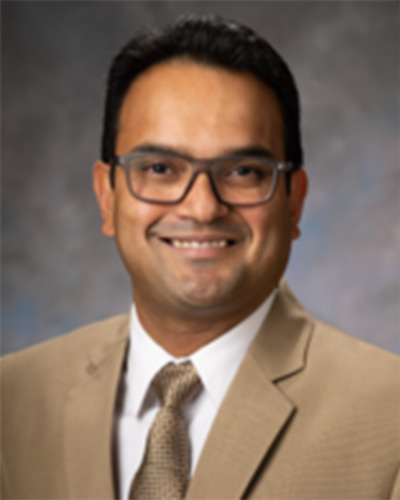 Nationwide Children’s Hospital, Columbus, OH
Sumit Ghosh, PhD, serves as the Director of Research Protections and Hazardous Materials Management at the Abigail Wexner Research Institute (AWRI) at Nationwide Children’s Hospital (NCH) in Columbus, Ohio. In this leadership role, he oversees compliance programs that support the daily operations of the Research Safety Team, the Institutional Biosafety Committee (IBC) office, and the Institutional Animal Care and Use Committee (IACUC) office. His work ensures that research activities adhere to federal, state, and institutional regulations while promoting a robust culture of compliance across the research enterprise. Before joining NCH, Dr. Ghosh served as the Biological Safety Officer at the University of North Dakota (UND), where he managed biosafety, biosecurity, and infectious disease containment programs for the institution. He also held an appointment as Adjunct Faculty, contributing to academic instruction and mentoring in areas aligned with his scientific expertise in immunology and biosafety. These combined research, teaching, and compliance experiences have shaped his comprehensive approach to laboratory safety, regulatory oversight, and risk management. Dr. Ghosh has more than 18 years of experience spanning infectious disease containment, biosafety, biosecurity, RCRA hazardous waste regulations, and research oversight. Over his career, he has developed and implemented safety programs, risk assessments, and training initiatives that enhance laboratory practices and strengthen institutional preparedness. His work emphasizes practical solutions, regulatory alignment, and continuous improvement in research operations. In addition to his institutional responsibilities, Dr. Ghosh is an active contributor to the broader biosafety and research compliance community. He serves on several committees within the American Biological Safety Association (ABSA International) and supports professional standards through national and international service. He is also one of the Associate Editors of Applied Biosafety, where he contributes to advancing scholarly work and best practices within the biosafety field.
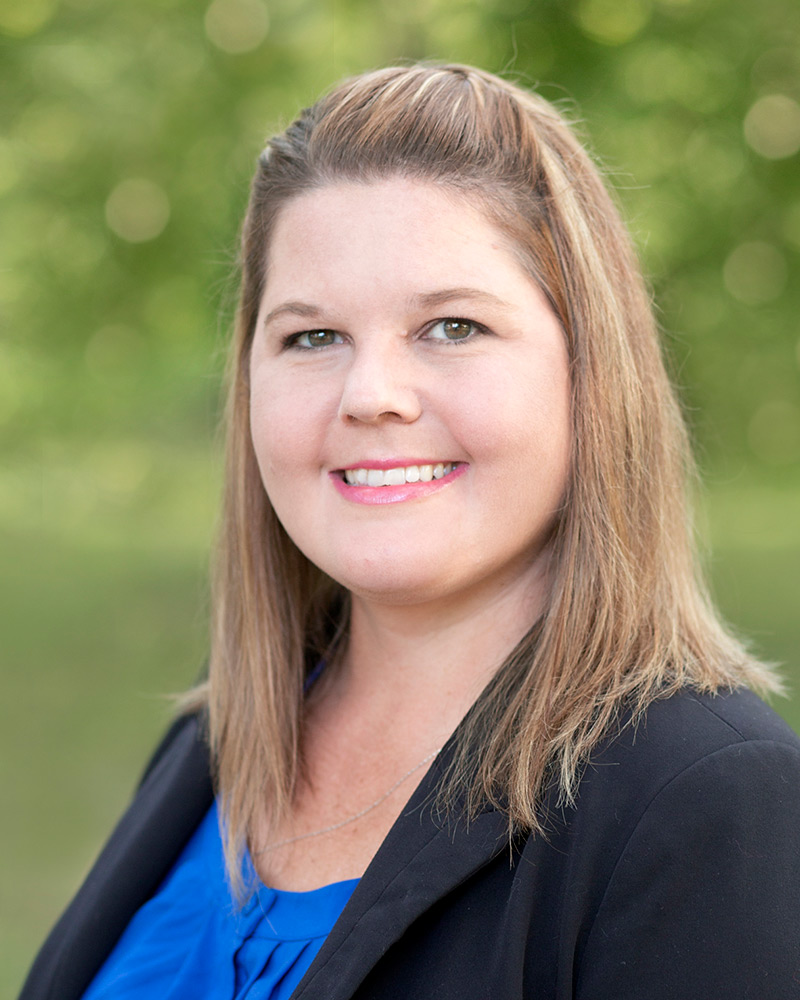 University of Texas Health Science Center
Houston, TX
Kristin King, DrPH, CBSP(ABSA), CPH, CHSP, CIC, is the Biological Safety Program manager within Environmental Health & Safety at The University of Texas Health Science Center at Houston (UTHealth Houston). She holds a Doctor of Public Health in Occupational and Environmental Health Sciences (with a minor in epidemiology and leadership) from The University of Texas School of Public Health (UT SPH) and a Master of Public Health in Occupational and Environmental Health Sciences from the same school. Kristin uniquely holds professional credentials in both Infection control and biological safety and has published in peer-reviewed journals in both fields.
12:00 – 1:30 pm | Honor Awards and Special Recognition Luncheon
Presenter: Anne–Sophie Brocard, PhD, RBP(ABSA), CBSP(ABSA), SM(NRCM), ASP, CSP, CHMM, The University of North Texas Health Science Center, Fort Worth, TX
Session 17 | Richard Knudsen Award
1:30 – 1:50 pm Innovation in Personal Protective Equipment Decontamination During the COVID-19 Pandemic: The Powered-Air Purifying Respirator Hood Optimal Decontaminant Distribution System
Antony Schwartz, PhD, CBSP(ABSA), SM(NRCM), Duke University, Durham, NC
1:50 – 2:00 pm Q&A Session
 Duke University, Durham, NC
Dr. Antony Schwartz is the Director of Biological Safety at Duke University, where he serves as the Institutional Biosafety Officer, Responsible Official for the Select Agent Program, and Institutional Contact for Dual Use Research (ICDUR). In these roles, he ensures institutional compliance with federal regulations governing biosafety, biosecurity, and dual-use research oversight. He also holds an appointment as an Adjunct Assistant Professor in the Department of Family Medicine and Community Health at the Duke University School of Medicine. Dr. Schwartz and his team oversee biological hazards across research laboratories and healthcare settings, including the Duke Regional Biocontainment Laboratory (RBL), clinical trials and microbiology labs, autopsy and gross anatomy labs, phytotrons, and arthropod containment facilities. His oversight spans BSL-1 through BSL-3/ABSL-3 spaces, including BSL-2+ and ABSL-2 environments. Prior to Duke, Dr. Schwartz was the Responsible Official for the National Institutes of Health Select Agent Program in Bethesda, Maryland. He was previously a postdoctoral fellow in the National Biosafety and Biocontainment Training Program (NBBTP), a competitive, in-residence fellowship at NIH designed to prepare professionals to manage BSL-3 and BSL-4 laboratories handling high-risk pathogens such as Ebola, Monkeypox, and Nipah virus. He has also served as a BSL-4 instructor and course facilitator at NIH and NIAID facilities. Dr. Schwartz holds a PhD in Microbiology with a minor in Technology Commercialization. A Certified Biological Safety Professional (CBSP) through ABSA International, Dr. Schwartz has held numerous leadership roles in the organization, including Councilor, Chair of the Pre-Conference Course Committee, Vice Team Lead for the Regulatory and Technical Affairs Team, Journal Board Reviewer, and Co-Chair of the inaugural Biosecurity Symposium Steering Committee. He remains actively engaged in biosafety and biosecurity through research, publications, professional outreach, and mentorship.
Session 18 | High Risk, Crucial Mitigation
2:00 – 2:15 pm Laboratory Emergency Preparedness and Response Planning for Biosafety Professionals
Julianne Baron, PhD, RBP(ABSA), CPH, Science and Safety Consulting, LLC, McMurray, PA
2:15 – 2:30 pm Implementing Safe and Effective H5N1 Poultry Research in BSL‑3 Facilities
Debra Howeth, MPH, University of South Florida, Tampa, FL
Establish a risk‑based framework for safely conducting HPAI research with chickens in BSL‑3 facilities, using comprehensive risk assessment, adapted containment, and tailored workflows to enhance biosafety readiness and strengthen avian influenza research capacity.
2:30 – 2:45 pm From Expansion to Governance Addressing Standardization Gaps in High-containment Laboratories in Brazil
Claudio Mafra, DVM, MSc, PhD, Brazilian Society for Biosafety and Biosecurity (SB3), Vicosa, Brazil
Rapid expansion of high-containment laboratories without harmonized governance and quality systems can compromise biosafety, biosecurity, and data reliability, underscoring the urgent need for national frameworks to ensure safe and standardized, and auditable operations.
2:45 – 3:00 pm Q&A Session
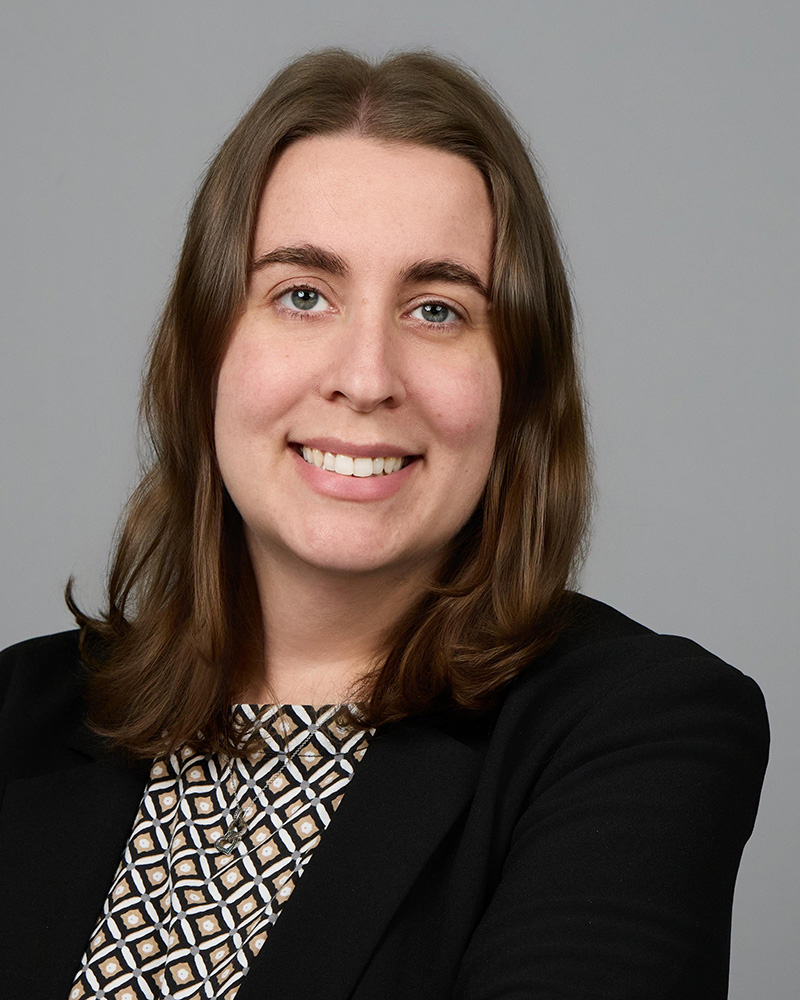 Science and Safety Consulting, LLC
McMurray, PA
Julianne L. Baron, PhD, RBP(ABSA), CPH, CC is the President and Owner of Science and Safety Consulting, a woman-owned small business with specialized expertise in biosafety, biorisk management, public health, emergency preparedness, lab design, and training development. Dr. Baron is also an Adjunct Assistant Professor and Lecturer in the Department of Environmental and Occupational Health at the University of Pittsburgh’s School of Public Health. She obtained her PhD in Infectious Diseases and Microbiology from the University of Pittsburgh’s School of Public Health. Dr. Baron completed the prestigious National Biosafety and Biocontainment Training Program (NBBTP) at the U.S. National Institutes of Health. She is Certified in Public Health (CPH), is a Registered Biosafety Professional (RBP), has professional certifications in both Biorisk Management and Cyberbiosecurity through IFBA, and is Certified in Cybersecurity (CC). Dr. Baron has also completed ISO 35001 Lead Auditor training. She serves as a member of ABSA International’s Scientific Program Committee and is the Past President of the Front Range Biological Safety Association (FRaBSA), an ABSA affiliate.
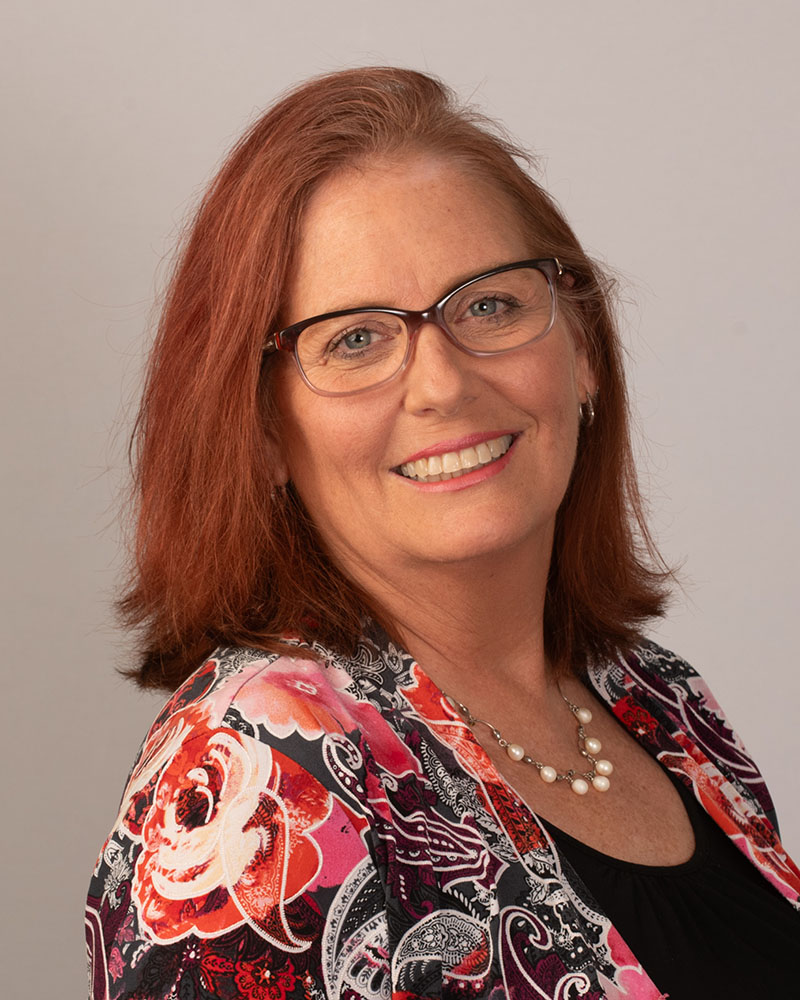 University of South Florida, Tampa, FL
Debra Howeth serves as the Biosafety Officer within the Research Integrity & Compliance office at the University of South Florida (USF). With over 30 years of scientific experience, she has honed her expertise in both BSL-2 and BSL-3 laboratory environments. Her background includes various institutions, such as USF, the James A. Haley Veterans Hospital, and the H. Lee Moffitt Cancer Center. Approximately 15 years ago, Debra made the pivotal transition from laboratory bench work to a dedicated focus on research compliance. Her extensive experience in the Select Agent program encompasses positions as both a laboratorian and a Responsible Official, demonstrating her comprehensive understanding of biosafety and regulatory compliance. Debra holds a Bachelor of Science (BS) degree in Microbiology and a Master of Public Health (MPH) with a specialization in Infectious Diseases from the University of South Florida. In addition, she has obtained a certificate in Infection Control from USF. Debra is also an active member of prominent professional organizations, including the American Biological Safety Association (ABSA International) and the Southeastern Biological Safety Association (SEBSA), further underscoring her commitment to advancing biosafety and compliance practices in the field.
Brazilian Society for Biosafety and Biosecurity (SB3)
Vicosa, Brazil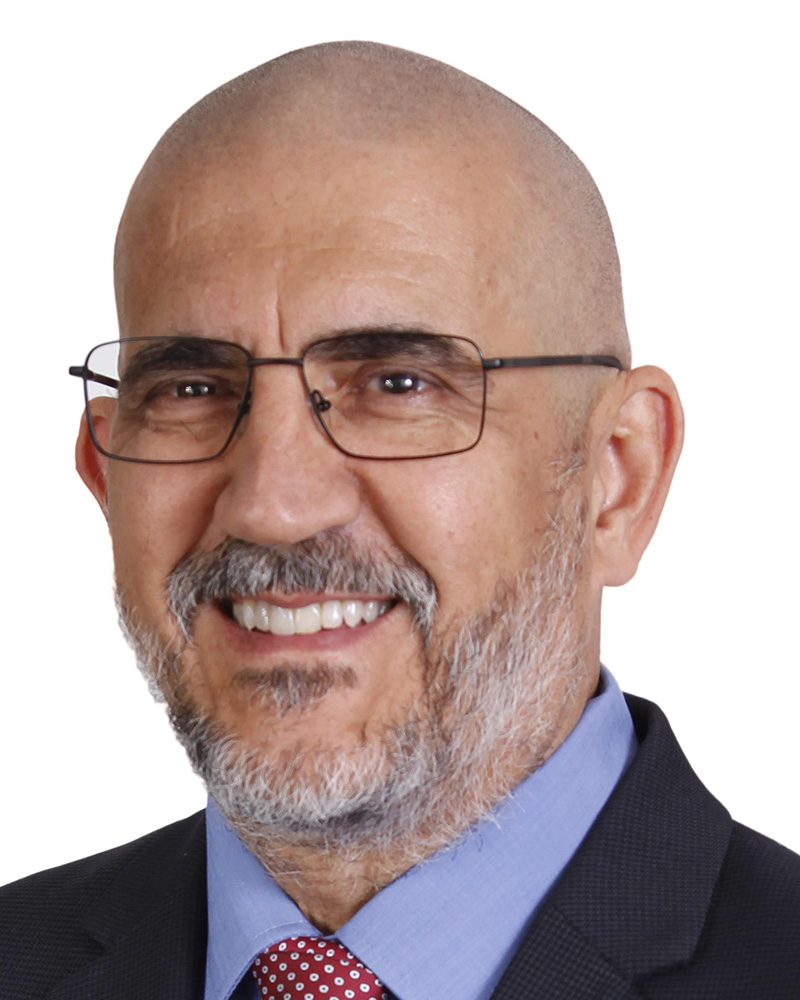
Dr. Mafra is a veterinarian (Federal University of Viçosa, 1988) with a Master’s in Parasitology (UFMG, 1991) and a PhD in Biological Sciences (Biochemistry) from UFRGS (1998). He completed postdoctoral training at the University of Texas Medical Branch in Galveston, USA, focusing on biodefense and emerging infectious diseases. As a retired full professor at the Department of Biochemistry and Molecular Biology at UFV, he continues as a professor and advisor in the Applied Biochemistry graduate program. His extensive expertise includes biosafety, parasitic diseases, parasite biochemistry and molecular biology, bioinformatics, and molecular epidemiology, with research emphasis on ticks, tick-borne diseases, and the complex interactions among pathogens, vectors, hosts, and the environment. Dr. Mafra has held multiple leadership roles, including Vice-President of ANBio, President of the Brazilian Society for Biosafety and Biosecurity (SB3), and President of the Certification Body of IFBA (Canada). He is a member of several national and international working groups, such as Brazil’s Maximum Biocontainment Facility Workgroup and CEPI’s Biorisk Working Group (Norway). He collaborates with institutions, including the Ministry of Health, PAHO, iGEM Foundation, and the Galveston National Laboratory (UTMB). He has consulted for organizations like ABNT, CNPq, FINEP, FAPESP, and the OAS on bioterrorism. An active researcher, Dr. Mafra has authored over 70 scientific articles, multiple books, patents, and software registrations. He has also guided numerous theses and postdoctoral projects. His career reflects a sustained commitment to advancing biosafety, biocontainment, and public health, contributing to national preparedness and global biosecurity efforts.
3:00 – 3:15 pm | Break
Session 19 | Approaches to Biorisk Management
3:15 – 3:35 pm Robert I. Gross Student Award
Dynamic Risk Assessments: A Mitigation Strategy for Biosafety and Biosecurity Risks
Bobbi Barr, Georgetown University, Washington, DC
Measures will position DRA as a scalable and adaptive framework to strengthen biosafety and biosecurity in increasingly complex laboratory environments.
3:35 – 3:50 pm Demystifying ISO 35001: The Business Case for Biorisk Management
Michael Perry, DrPH, MSEd, MS, New York State Department of Health, Albany, NY
Outline how to achieve leadership support towards ISO 35001 implementation, presenting a business case for why it’s valuable along with effective approaches in achieving implementation.
3:50 – 4:05 pm Operationalizing AI Biorisk Governance Using NIST AI RMF With PDCA Cycle
Judith Chukwuebinim Okolo, PhD, National Biotechnology Development Agency, Abuja, Nigeria
Integrate the NIST AI RMF with the PDCA cycle to provide a practical, scalable approach for managing AI-driven biological risks, strengthening biosafety systems, enabling continuous improvement, and supporting responsible innovation.
4:05 – 4:20 pm ISO 35001-based Regional Biorisk Management For Agricultural Research
Kenneth Shenge, PhD, RBP(ABSA), CBSP(ABSA), USDA Agricultural Research Service, Beltsville, MD
First demonstration of ISO 35001 implementation for regional agricultural research provides a replicable framework for complex biosafety system development and continuous improvement.
4:20 – 4:45 pm Q&A Session
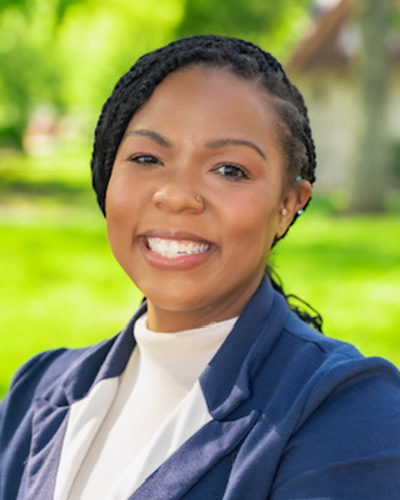 Georgetown University, Washington, DC
Bobbi Barr is a biosecurity scientist with over eight years of experience in molecular biology, infectious disease research, and biodefense, including four years dedicated to biodetection and biosurveillance of CBRN agents in support of U.S. federal programs. Her work spans high containment laboratory environments (BSL 3 & 4), assay development, pathogen detection, immune profiling, and laboratory operations, with a strong focus on biosecurity, biosafety, and regulatory compliance. She has contributed to biodefense and biosurveillance missions at organizations including NIH/NIAID, FDA/CBER, MRIGlobal, and George Washington University, and has supported vaccine development and clinical research for emerging and high containment pathogens. Bobbi is currently pursuing a Master of Science in Biomedical Sciences at Georgetown University, specializing in Biohazardous Threat Agents and Emerging Infectious Diseases, where she continues to advance her expertise in biological threat preparedness, biosafety, and national security related research.
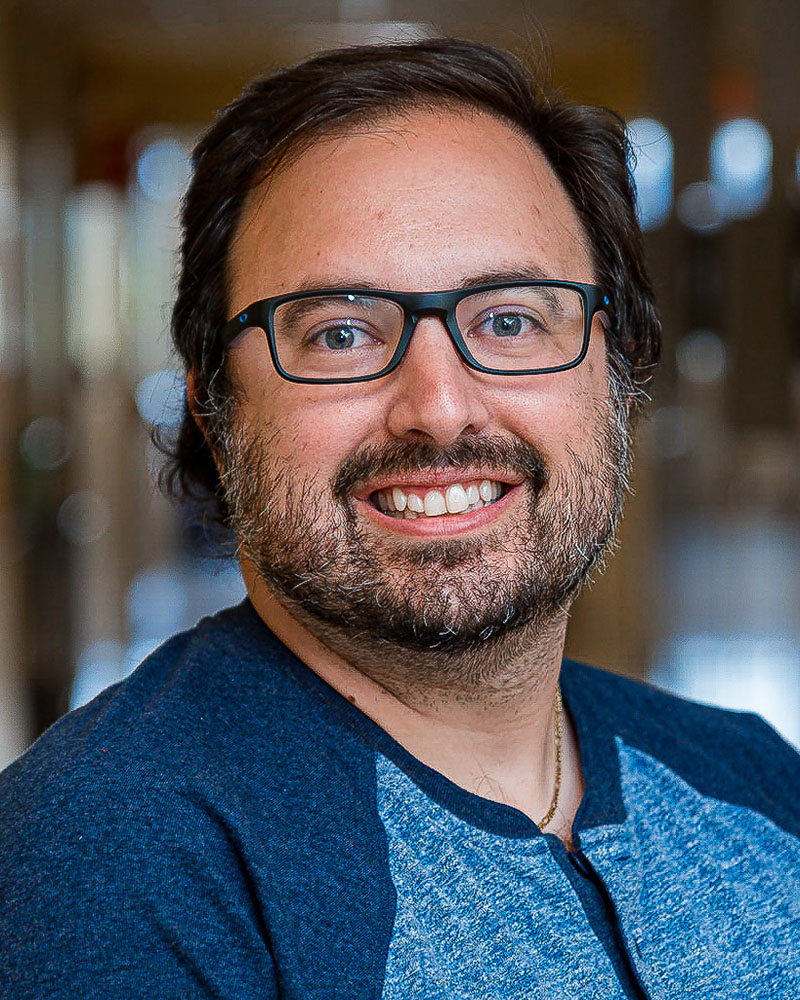 New York State Department of Health, Albany, NY
Michael Perry is the Associate Director of the Biodefense Laboratory at the New York State Department of Health – Wadsworth Center and ARO. Michael has been at the NYS since 2009. Michael serves as a member of the Association of Public Health Laboratories (APHL) Biosafety and Biosecurity Committee, the APHL Public Health Preparedness and Response Committee, and is the chair of APHL Laboratory Operation workgroup. Michael is committed to public health service as is evident by his work supporting CDC’s Global Health program in which he has helped develop and deliver trainings in biosafety and biosecurity with many international partners; more specifically on biological safety cabinet maintenance/operation, implementing a risk management program, and implementing a respiratory protection program.
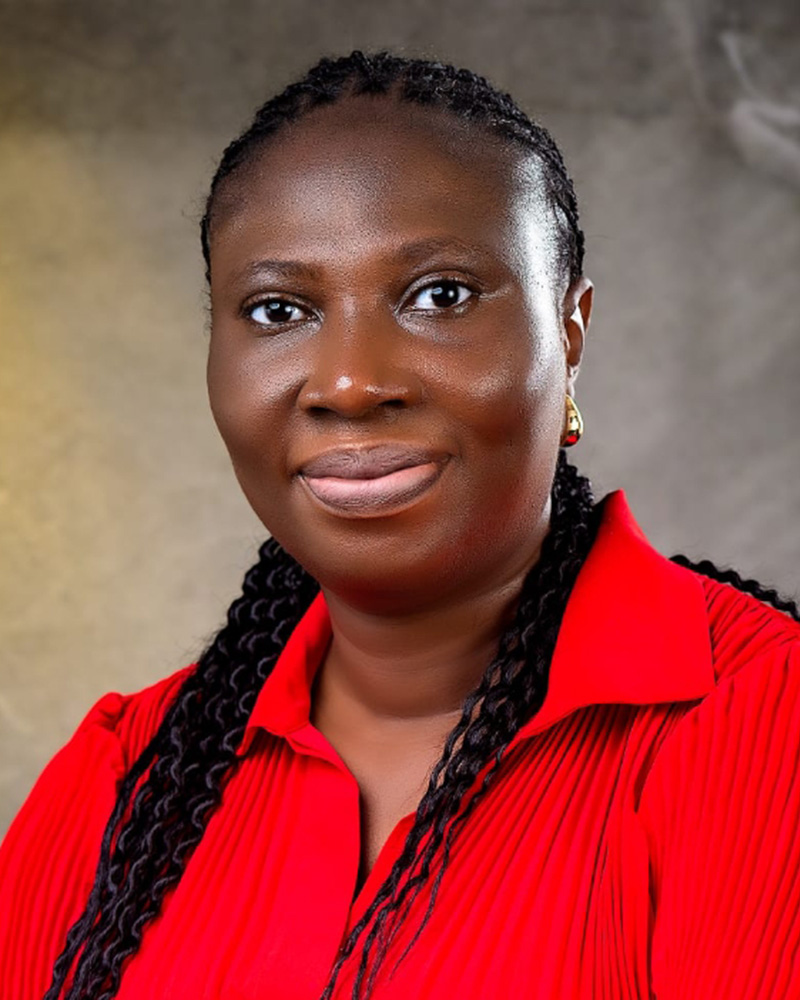 National Biotechnology Development Agency, Abuja, Nigeria
Judith Chukwuebinim Okolo (PhD) is an Assistant Director (Research) at the National Biotechnology Research and Development Agency, Nigeria. She is an Africa Regional Subject Matter Expert (Af -RSME) in Biorisk management with African CDC, a fellow of the Emerging Leaders in Biosecurity (ELBI) with John Hopkins Centre for Health Security and a Registered Biological Safety Officer (RBSO) of the Canadian Association for Biological Safety (CABS). Dr Judith is a certified professional of the International Federation of Biological Safety Associations (IFBA) in Biorisk management, Biological Risk Assessment, Biological waste management and cyber-biosecurity. She is a mentor under the IFBA mentorship program and serves on various biosafety and biosecurity committees at national, regional and global levels. She provides independent technical expertise to the Health-Security Interphase Technical Advisory Group (HSI-TAG) at the World Health Organization (WHO). Dr. Judith provides programmatic support for national and international organizations to conduct workshops in biorisk management in Nigeria. She has mentored interns, students and medical practitioners. She has also authored and co-authored various publications including a handbook on biosafety and biosecurity for students in Nigeria. Dr. Judith is an alumnus of the Youth for Biosecurity by United Nations Office for Disarmament Affairs (UNODA) and has been trained as one of the African Women Leaders (AWL) in the frontiers of biosecurity & biosafety to prevent the next pandemics. She currently serves as the Country Coordinator – Federation of Asian Biotech Associations (FABA), Nigerian Chapter, and a council member of the World Animal Biosecurity Association (WABA). Dr. Judith is the convener of BioSafe Advocacy Network – a youth-led initiative dedicated to strengthening biosafety and biosecurity awareness, education, and leadership among young Africans.
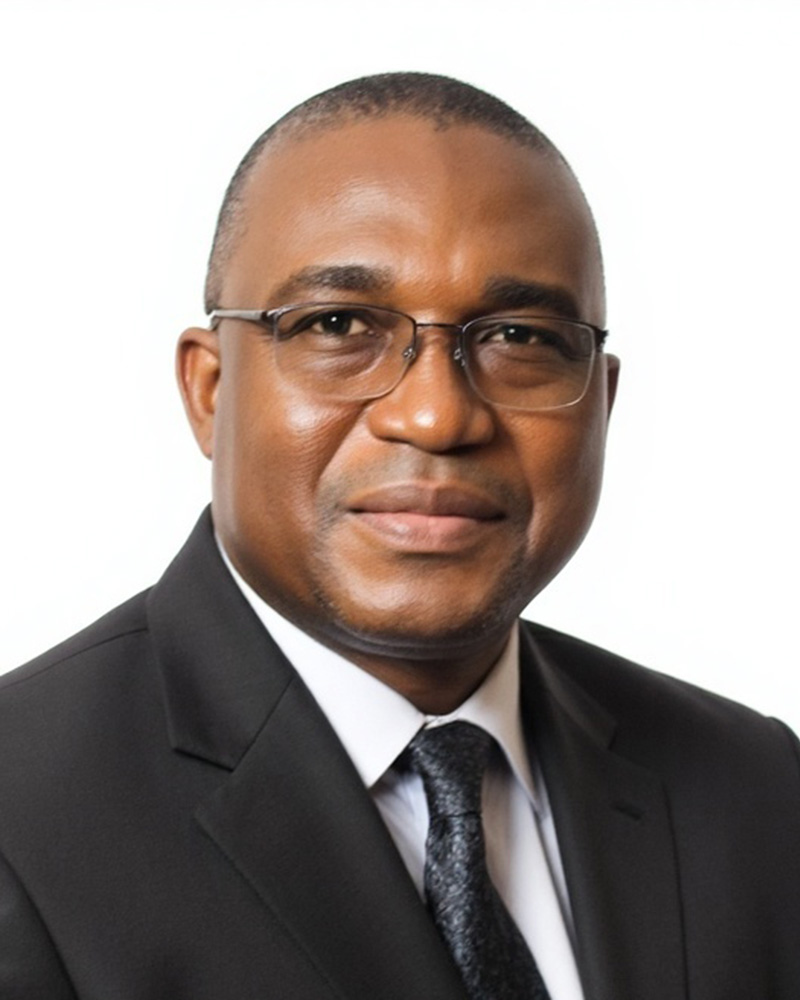 USDA Agricultural Research Service, Beltsville, MD
Dr. Kenneth Shenge is a Biosafety Officer with the USDA Agricultural Research Service, overseeing biosafety and regulatory compliance across the 11-state Northeast Area. His career in biosafety and biosecurity began in 2018 as a postdoctoral fellow in the NIH National Biosafety and Biocontainment Training Program (NBBTP), where he received intensive training in biosafety, biocontainment, biosecurity, and occupational health. Following the NBBTP, he served as Deputy Biosecurity Manager and Acting Chief of the Select Agent Management Branch at USAMRIID from 2020 to 2022. Prior to USDA-ARS, he served as Safety and Occupational Health Manager in the BioRisk Management Branch, Division of Occupational Health and Safety (DOHS) at NIH from 2022 to 2024, managing NIAID’s Safety and Occupational Health Program, the NIH High Containment Training Program, and the NIH Polio Eradication Program. He also served as Alternate Responsible Official for the NIH Select Agent Program, Alternate Safety Manager for NIH BSL-3 and ABSL-3 facilities, and Alternate Member of NIAID’s Animal Care and Use Committee. His performance earned three 2023 NIH awards: the Director’s Honor Award, the ORS Director’s Award for Rising Star, and the ORS Recognition Award for the Permissible Toxin Survey Team. Dr. Shenge holds a PhD in Plant Pathology from Sokoine University of Agriculture (DAAD scholarship) and an MPH in Applied Epidemiology from the University of Arizona. He holds the CBSP and RBP credentials of ABSA International. His earlier career included an Associate Professorship at Ahmadu Bello University and research roles at The Ohio State University and the USDA-ARS Aflatoxin Reduction Laboratory.
4:45 pm | Close of Conference
Betsy Matos, PhD, CBSP(ABSA), Iowa State University, Ames, IA
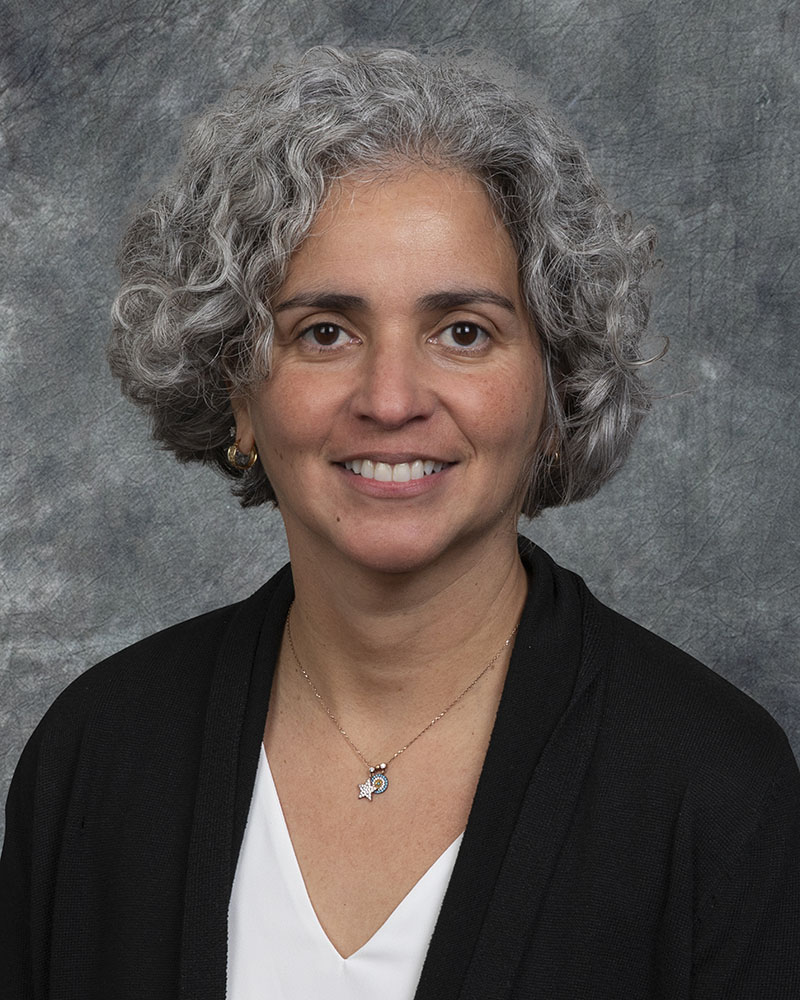 Iowa State University, Ames, IA
Betsy Matos (CBSP) has served as the Iowa State University (ISU) Biosafety Officer since September 2006. Her diverse roles include serving as the Biosafety Program Manager and Responsible Official for the Select Agent and Toxins Program. She oversees four Biosafety Specialists with the mission to prevent illness and injury, protect the environment and connect the ISU to the message of safety and preparedness. She provides biosafety expertise to more than 30,000 faculty, staff and students. Additionally, she is an Associate Professor of Teaching in two ISU Colleges: the College of Veterinary Medicine and the College of Agriculture and Life Sciences. Betsy earned a Bachelor of Science degree in Crop Protection from the University of Puerto Rico in Mayagüez. She moved to Ames, Iowa, to pursue a Master of Science degree in Entomology and later, a PhD in Entomology and Horticulture. After working several years in Environmental Health and Safety, she wanted to formalize her educational background in public health, and in 2018, she earned an MPH degree from Des Moines University. She is an active member in several ABSA committees, including Training Tools/Resources, Exam Development, Scientific Program (chair 2016-2018), and Preconference Course. She is also a member of the Midwest Area Biosafety Network (MABioN). Betsy has participated in the Sandia National Laboratories Twinning Program nine times, which allowed her to learn from and share her knowledge of biosafety and biosecurity with international biosafety professionals. Her passion to improve the lives of others extends to her immediate community, where she volunteers as a committee member of the Story County Board of Health and a driver for Meals on Wheels. When she’s not busy being a functioning adult, she’s buried in books nobody asked about, perfecting her signature ‘I-don’t-care’ dance moves, and eating like calories don’t exist.