



69th Annual Biosafety and Biosecurity Hybrid Conference
Tuesday Scientific Program
All times listed will be Central Standard Time
Tuesday, October 13, 2026
6:30 am to 8:00 am Continental Breakfast in Foyer
6:30 am – 5:00 pm Registration
9:00 am – 4:00 pm Vendor Exhibits
7:00 – 7:45 am | Special Session | NIH Policy Panel Discussion
NIH policy is changing, and it’s changing how biosafety and biosecurity programs operate. Bring your questions. This is a practical conversation about the proposed changes and what these updates may mean for your institution and your work.
Panelists:
Meagan Fitzpatrick, MPH, Princeton University, Princeton, MA
Corrie Ntiforo, RBP(ABSA), University of Texas Medical Branch, Galveston, TX
Daniel Eisenman, PhD, RBP(ABSA), CBSP(ABSA), Advarra, Apex, NC
Moderator:
Joshua Turse, PhD, CBSP(ABSA), Cornell University, Ithaca, NY
 Princeton University
Princeton, NJ
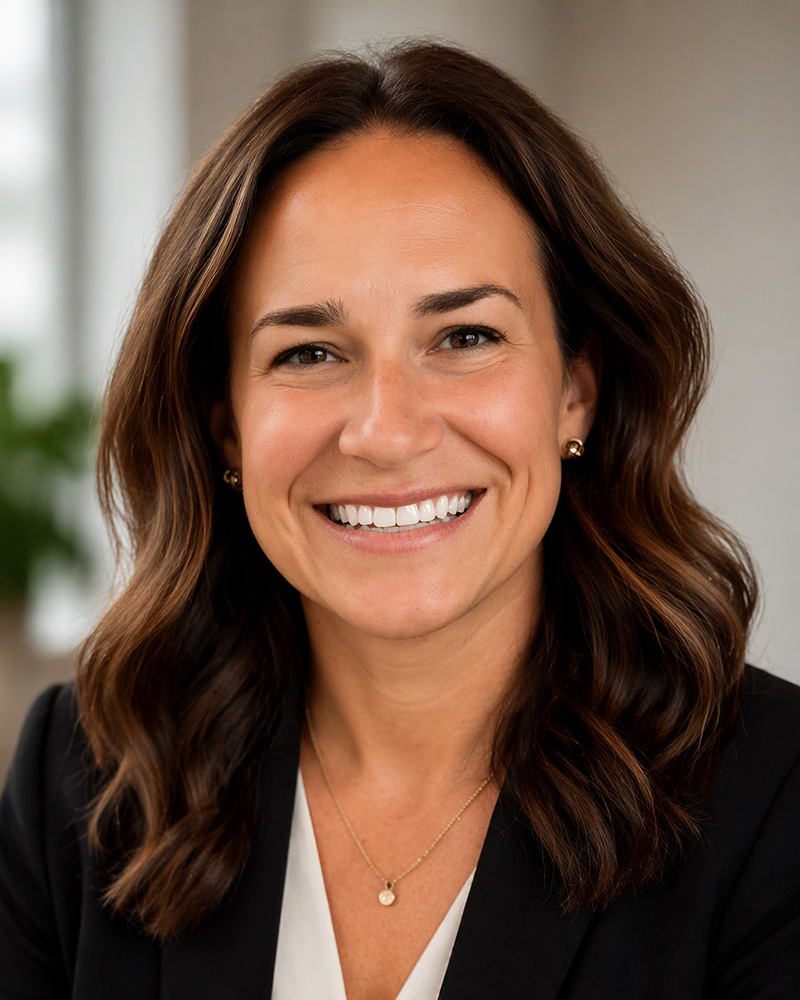
Meagan Fitzpatrick is the assistant director and biosafety officer at Princeton University where she directs the biosafety, animal safety and field research safety programs. Prior to working at Princeton, Meagan was the EHS manager at Covance Laboratories. She has also held previous biosafety roles in other higher education institutions: biosafety officer at Georgia Tech and research safety specialist at Emory University.
 University of Texas Medical Branch
Galveston, TX
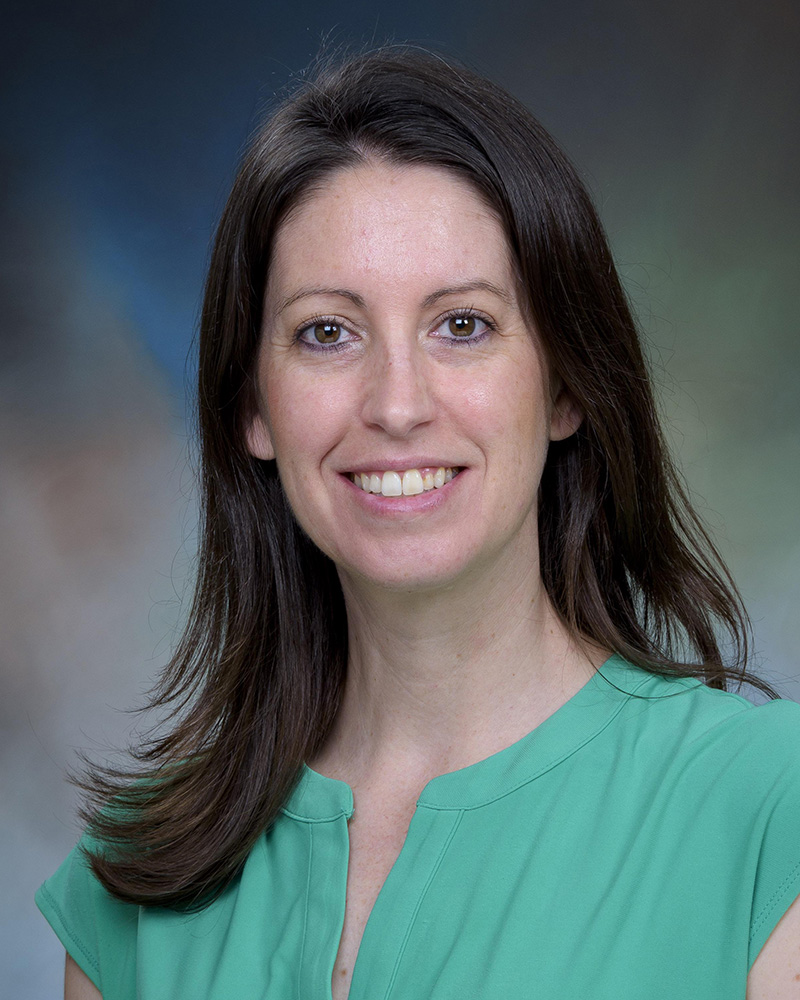
Ms. Corrie Ntiforo is the Director of the Department of Biosafety, the Institutional Biosafety Officer and Alternate Responsible Official for the University of Texas Medical Branch (UTMB). She has over 17 years of professional biosafety experience. Her primary expertise is in biosafety oversight of high and maximum containment facilities.
 Advarra, Research Triangle Park, NC
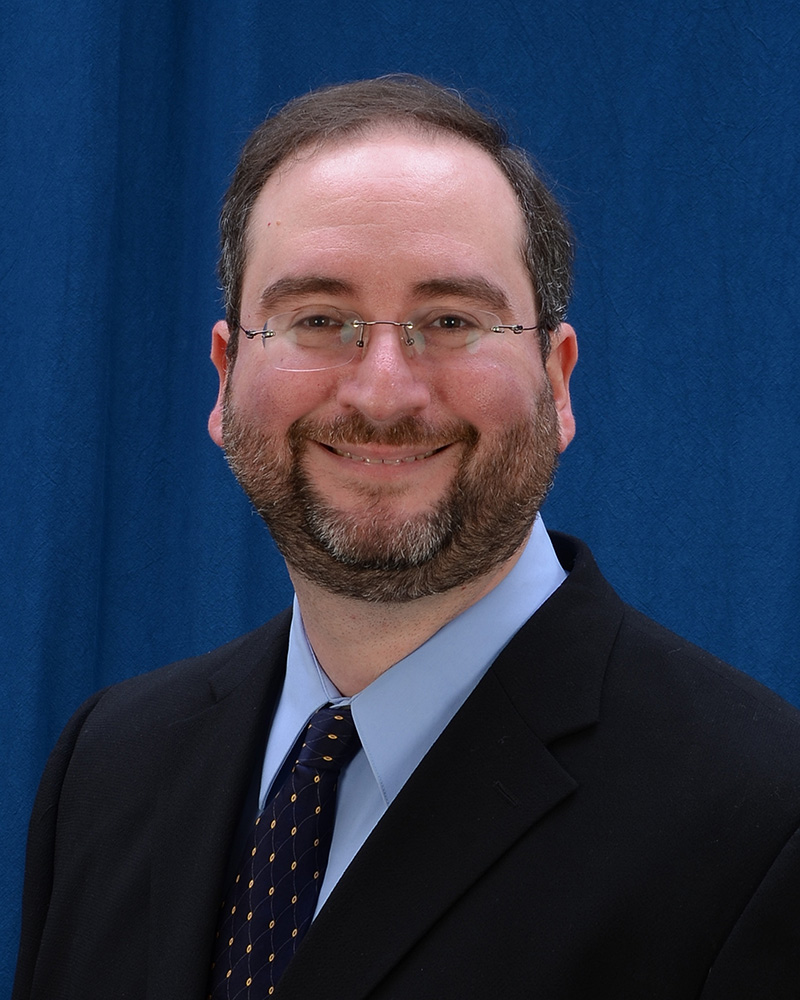
Dan Eisenman is Executive Director of Biosafety Services at Advarra, a large clinical research compliance company. Dan heads a commercial IBC overseeing over 1,600 clinical and basic science research sites. Prior to joining Advarra Dan was the Biosafety Officer at the Medical University of South Carolina and UNC Chapel Hill. Dan holds a PhD in molecular biology and immunology, various biosafety certifications (RBP, SM(NRCM), CBSP) and a Regulatory Affairs Pharmaceuticals certificate from the Regulatory Affairs Professionals Society (RAPS). He is a member of the Editorial Board for Applied Biosafety and frequently speaks at major conferences on topics involving biosafety, gene therapy and clinical trials.
Session 8 | Eagleson Lecture Award
8:00 – 8:45 am Medical Mycology for the Biosafety Specialist: From Outbreaks to Mold in the Environment
Luis Ostrosky–Zeichner, MD, FACP, FIDSA, FSHEA, FECMM, McGovern Medical School (UTHealth Houston), Houston, TX
8:45 – 9:00 am Q&A Session
 McGovern Medical School (UTHealth Houston), Houston, TX
Dr. Ostrosky-Zeichner is a professor of medicine and epidemiology, Memorial Hermann Endowed Chair, the Executive Vice-Chair of Medicine for Healthcare Quality, the director of the Laboratory of Mycology Research, and the Division Chief at the Division of Infectious Diseases of the McGovern Medical School. He also serves as the Chief Epidemiology Officer for the Memorial Hermann Healthcare System and as Director for Infection prevention for UT Physicians. Dr. Ostrosky-Zeichner obtained his medical degree from Universidad Nacional Autonoma de Mexico. He completed his internal medicine residency at Instituto Nacional de Ciencias Medicas y Nutricion Salvador Zubiran, and his infectious diseases fellowship at the University of Texas Medical School at Houston and MD Anderson Cancer Center combined fellowship program. Dr. Ostrosky-Zeichner is a fellow of the American College of Physicians, the Infectious Diseases Society of America, the Society of Healthcare Epidemiology of America, and the Academy of the European Confederation of Medical Mycology. He is a Senior Editor for Journal of Antimicrobial Chemotherapy and an Associate Editor for Clinical Infectious Diseases. He is the Past-President of the Mycoses Study Group and Educational Consortium. He is also a past chair of the Infectious Diseases Society of America Standards and Practice Guidelines Committee and has been a consultant to the US FDA and CDC. He has advanced training and experience in medical mycology, healthcare epidemiology, emerging infections, antimicrobial stewardship, general and transplant infectious diseases, and healthcare quality, and has published over 250 peer-reviewed articles and books on those topics.
9:00 – 9:15 am | Break
Session 9 | Biosafety Grab-bag
9:15 – 9:30 am Infection Prevention and Control and Biosafety. Two Roads. Same Destination.
Tom Walus, Canadian Association for Biological Safety, Winnipeg, Manitoba, Canada
Biosafety and infection prevention and control share the common goal of protecting public health.
9:30 – 9:45 am Guidelines Needed for the Role of Artificial Intelligence and Robotics in Biohazardous Research
Daniel Eisenman, PhD, RBP(ABSA), CBSP(ABSA), SM(NRCM), Advarra, Research Triangle Park, NC
Discuss how AI and robotics will impact biomedical research and how biosafety programs and IBCs should prepare.
9:45 – 10:00 am A Multidisciplinary Framework for Clinical Biosafety at Boston Children’s Hospital
Madeeha Maqsood, MS, Boston Children’s Hospital, Boston, MA
Expanding advanced therapies require harmonized biosafety frameworks across clinical settings to protect staff, patients, and the community while ensuring safe, consistent handling of investigational biologics; this approach enables rapid, standardized guidance implementation.
10:00 – 10:15 am Q&A Session
 Canadian Association for Biological Safety, Winnipeg, Manitoba, Canada
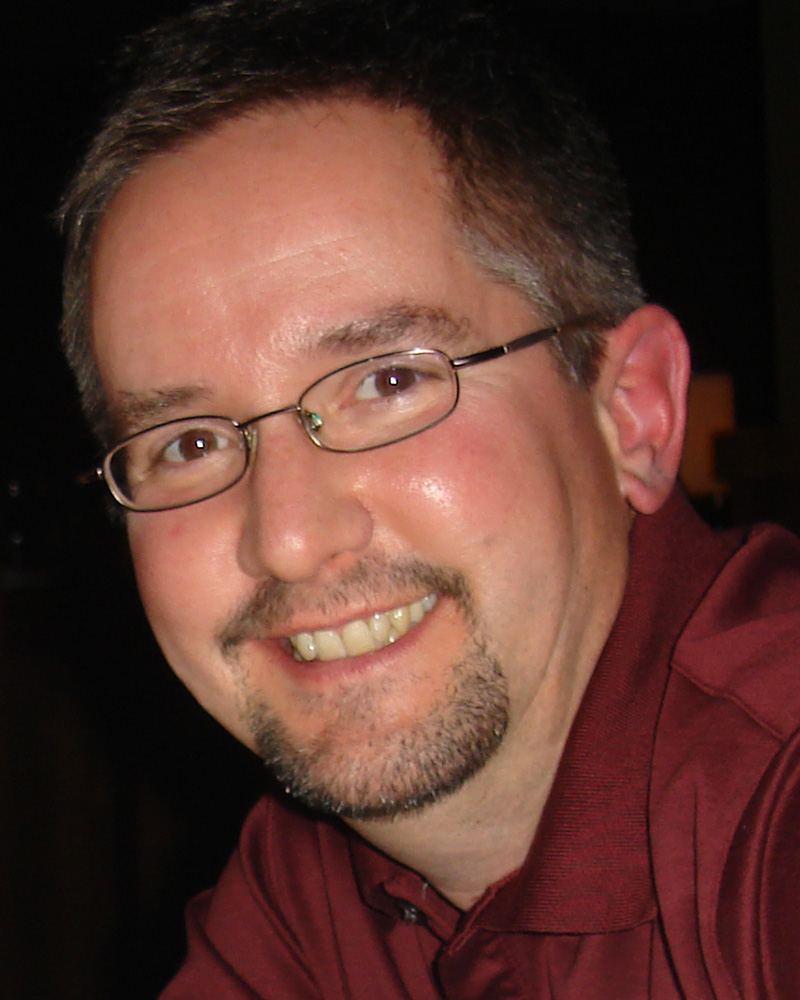
Tom Walus, BSc, RBSO (CABS-ACSB) is the Account Executive and Biosafety professional for Arcoplast. He is also the Finance chair for the Canadian Association for Biological Safety (CABS-ACSB). He earned his undergraduate degree from the University of Winnipeg, Manitoba, Canada. He has over 35 years of experience in clinical microbiology having worked at the Health Sciences Centre and St. Boniface Hospital in Winnipeg. He also spent 3 years as the lab manager for microbiology at the Royal University Hospital in Saskatoon. He also worked at the International Centre for Infectious Diseases, in Winnipeg, as program director for biosafety. He also worked for 7 years as the Biosafety Officer for Shared Health and Diagnostic Services Manitoba in Winnipeg.
Advarra, Research Triangle Park, NC
Dan Eisenman is Executive Director of Biosafety Services at Advarra, a large clinical research compliance company. Dan heads a commercial IBC overseeing over 1,600 clinical and basic science research sites. Prior to joining Advarra Dan was the Biosafety Officer at the Medical University of South Carolina and UNC Chapel Hill. Dan holds a PhD in molecular biology and immunology, various biosafety certifications (RBP, SM(NRCM), CBSP) and a Regulatory Affairs Pharmaceuticals certificate from the Regulatory Affairs Professionals Society (RAPS). He is a member of the Editorial Board for Applied Biosafety and frequently speaks at major conferences on topics involving biosafety, gene therapy and clinical trials.
Boston Children’s Hospital, Boston, MA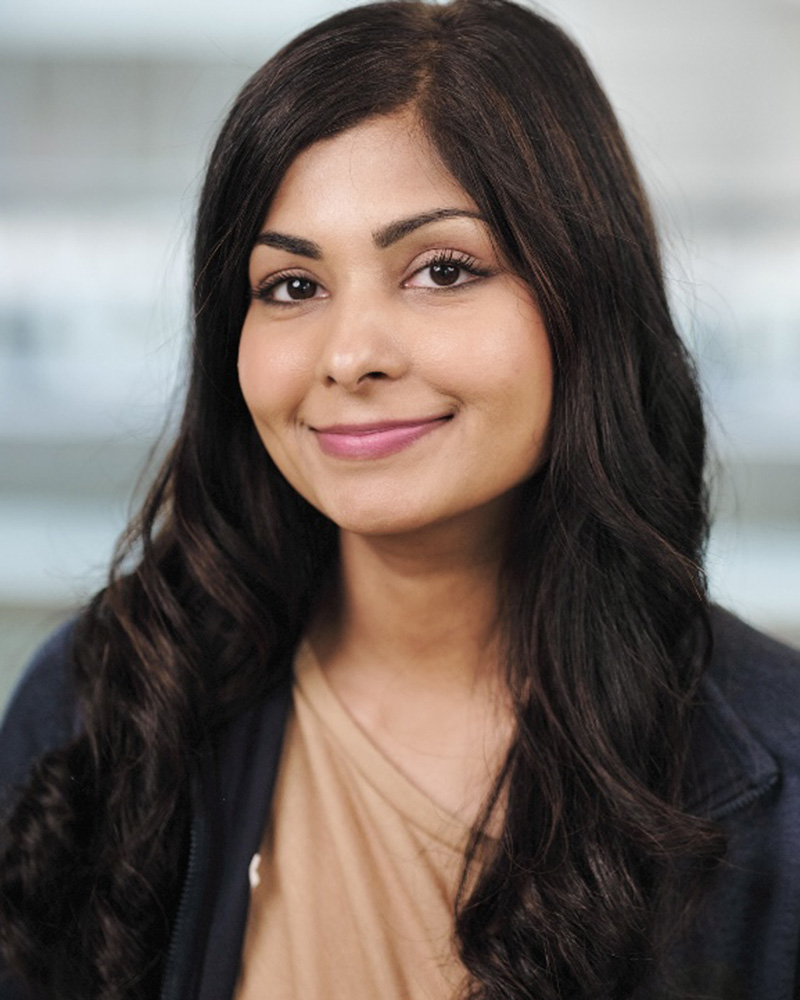
Madeeha Maqsood, originally from Lahore, Pakistan, and raised in Arizona, USA, is the first in her family to pursue higher education. She holds a Master of Science in Biomedical Sciences from Rutgers University and a Bachelor of Science in Biochemistry from Arizona State University. Currently, Madeeha serves as the Senior Biosafety Program Coordinator and Associate Biosafety Officer at Boston Children’s Hospital (BCH). In this role, she conducts risk assessments, develops safety protocols, and oversees the biosafety program to ensure compliance with safety standards. She also serves as a voting member of BCH’s Institutional Biosafety Committee (IBC) and Institutional Animal Care and Use Committee (IACUC). Madeeha actively promotes safety at BCH through educational initiatives, including organizing Lab Representative Town Halls, conducting Safety Audits, and leading the Annual RLSO Safety Fairs, all of which foster a culture of safe research practices across the institution.
10:15 – 10:45 am | Exhibits, Posters, and Coffee Break
Session 10 | Griffin Lecture Award
10:45 – 11:30 am Beyond Borders, Beyond Compliance: Transforming Biosafety Through Leadership, Partnership, and Global Action
Luis Alberto Ochoa Carrera, MSc, Michigan State University, Lansing, MI
11:30 – 11:45 am Q&A Session
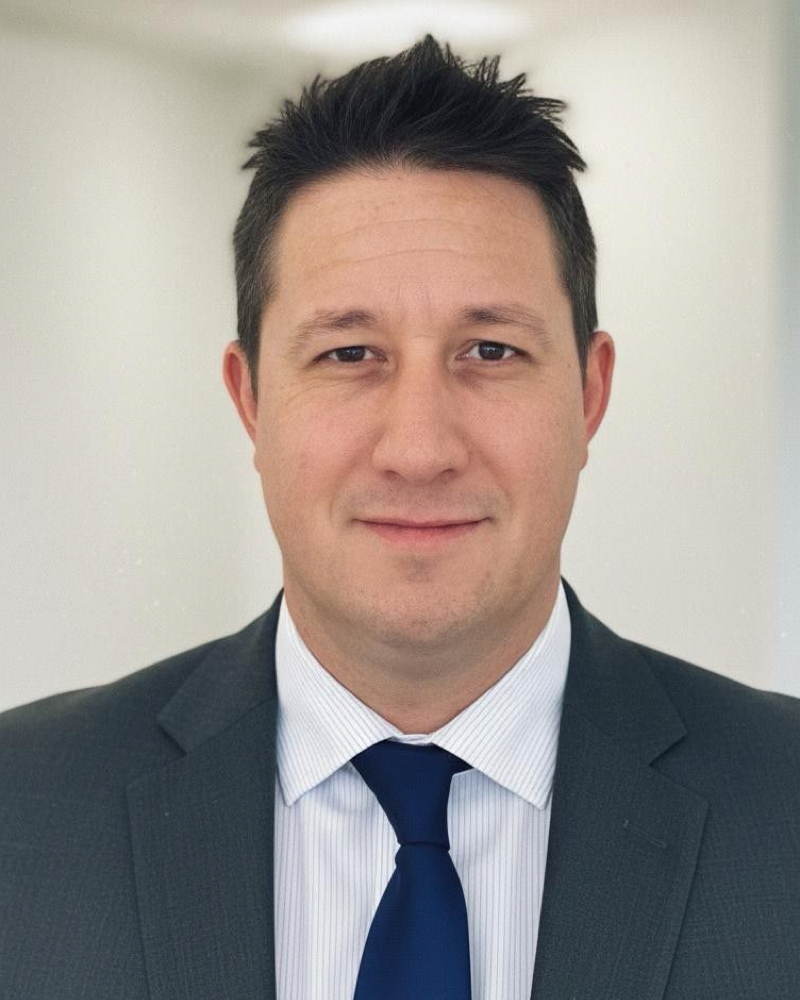 Michigan State University, Lansing, MI
Luis Alberto Ochoa Carrera, MSc, MRM, IFBA-CP, is an internationally recognized biosafety and biosecurity professional whose career bridges laboratory practice, public health preparedness, high-containment operations, and global capacity building. He currently serves as High-Containment Laboratory and Pandemic Safety Manager at Michigan State University, where he supports institutional biosafety, biocontainment, emergency preparedness, and the safe conduct of research involving biological hazards. Before joining Michigan State University, Mr. Ochoa Carrera served as Director of the Epidemiological Surveillance and Research Laboratory Network at the Mexican Institute for Social Security and as BSL-3 Laboratory Coordinator at Mexico’s National Institute for Epidemiological Diagnosis and Reference. His earlier scientific experience included clinical virology, molecular diagnostics, infectious diseases, antimicrobial resistance, and laboratory responses to emerging biological threats. Mr. Ochoa Carrera is a former President of ABSA International and a founding member and Past President of the Mexican Biosafety Association. Through these leadership roles, he has helped strengthen professional networks and advance biosafety as a scientific discipline across North America, Latin America, the Caribbean, and the global community. He currently serves on the World Health Organization Technical Advisory Group on Biosafety, the Board of Directors of the International Federation of Biosafety Associations, and as IFBA Coordinator for Latin America and the Caribbean. He is also a Senior Advisor to the Global Health Security Fund and contributes to BioPREVAIL’s mission of preparing biosafety professionals worldwide. His international work has supported organizations and professionals across the Americas, Africa, Asia, Europe, and the Middle East. Certified by IFBA in six technical disciplines, his expertise encompasses biorisk management, biological risk assessment, biosecurity, cyberbiosecurity, biocontainment facilities, and biosafety cabinets. His career reflects a sustained commitment to transforming biosafety from an institutional requirement into a shared global responsibility.
11:45 – 1:15 pm | Exhibits, Posters, and Lunch
Session 11 | Poster Session
12:15 – 1:15 pm Presenters must be available during the session.
Session 12 | Animal, Vegetable, Min…er Biosafety
1:15 – 1:30 pm Static to Dynamic: A Novel Approach to Vivarium Biosafety Signage
Meagan P. Fitzpatrick, MPH, Princeton, Princeton, NJ
Illuminate creative and low-resource ways to use existing institutional IT platforms to resolve biosafety hazard communication challenges in vivarium facilities.
1:30 – 1:45 pm Who Let the Dogs in? Service Animals in Academic Research Environments
Zoey Yi, MS, University of Missouri—Kansas City, Kansas City, MO
Highlight how clearer, standardized service animal policies can reduce biosafety risk while supporting accessibility and regulatory compliance in academic laboratories.
1:45 – 2:00 pm Honey Bees (Apis Mellifera) as a Continuous Surveillance and Detection System for Fungal Pathogens in the Environment
Victoria Everhart, University of Central Oklahoma, Edmond, OK
Sequencing of microorganisms found in honeybee hive debris reveals informative variations in microbial community structure across different environments, demonstrating the use of honey bees as a useful pathogen monitoring system relevant to biosecurity and agricultural health.
2:00 – 2:15 pm Protecting Innovation: Biosafety in Crop Science
Bria Kettle, PhD, RBP(ABSA), Bayer, Chesterfield, MO
By challenging the misconception that plant and crop research poses minimal or no biosafety risk, we can strengthen safe agricultural innovation, support responsible use of biological crop protection tools, and help close corresponding emerging regulatory gaps.
2:15 – 2:45 pm Q&A Session
Princeton University
Princeton, NJ
Meagan Fitzpatrick is the assistant director and biosafety officer at Princeton University where she directs the biosafety, animal safety and field research safety programs. Prior to working at Princeton, Meagan was the EHS manager at Covance Laboratories. She has also held previous biosafety roles in other higher education institutions: biosafety officer at Georgia Tech and research safety specialist at Emory University.
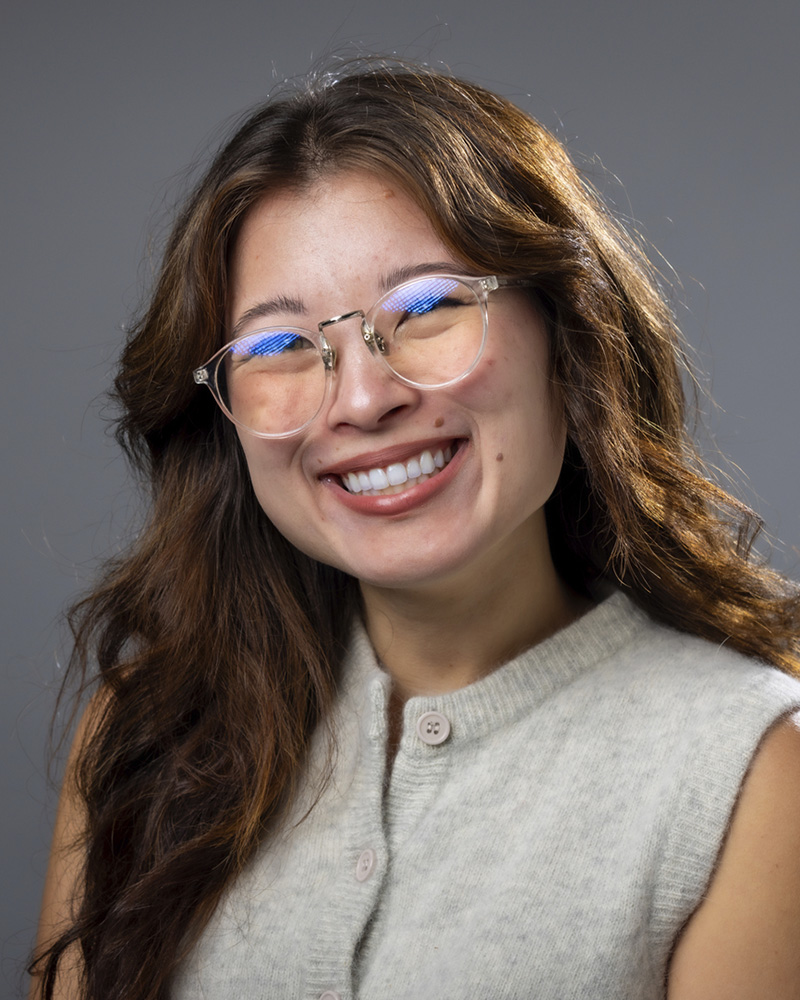 University of Missouri—Kansas City, Kansas City, MO
Zoey Yi-Garcia is a Biosafety Officer at the University of Missouri-Kansas City, where she supports safe, compliant, and responsible biological research across academic laboratories. She holds a Master of Science in Biological Sciences and has a strong foundation in molecular biology, tissue culture, and laboratory best practices. Yi-Garcia brings extensive hands-on research experience to her biosafety role, enabling her to effectively bridge regulatory requirements with practical laboratory operations. She is deeply committed to biosafety education, scientific communication, and fostering a strong culture of safety within research environments. Yi-Garcia remains committed to lifelong learning and the advancement of biosafety practices that support high-quality, impactful research.
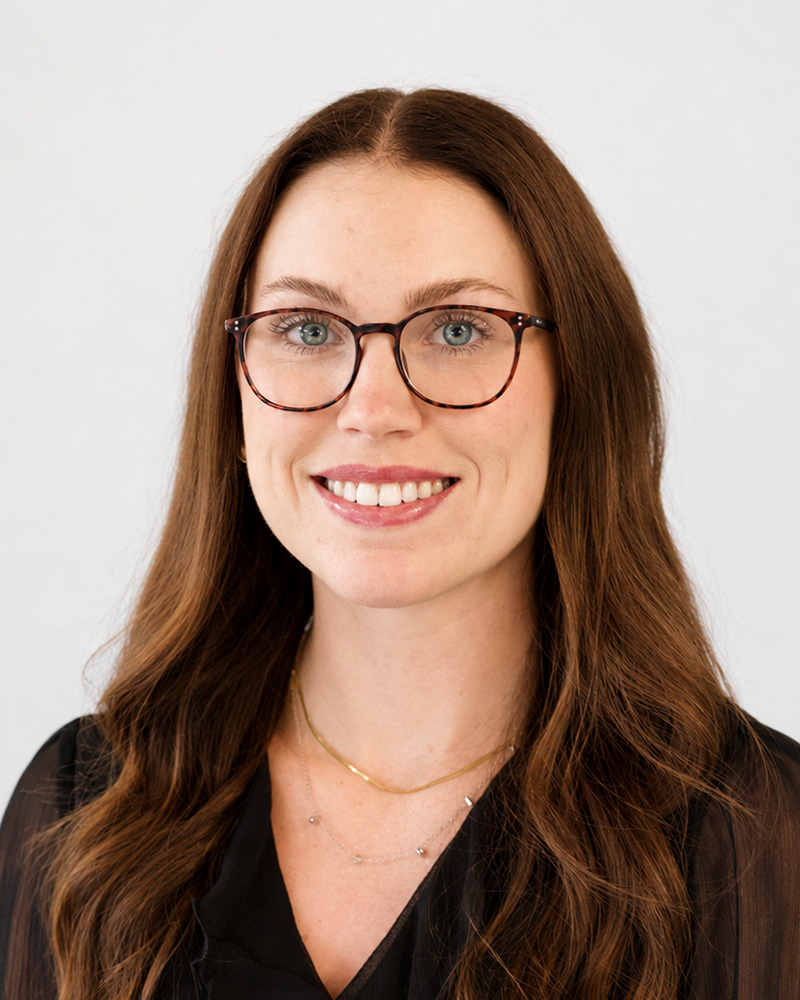 University of Central Oklahoma, Edmond, OK
Victoria Everhart is a graduate research student with the Forensic Science Institute at the University of Central Oklahoma. She received her Bachelor of Science degree in Cell and Molecular Biology from Oklahoma State University, and is currently pursuing her master’s degree in Forensic Science – Molecular Biology from the University of Central Oklahoma. Her graduate research centers around investigating the utilization of honey bees as efficient monitors of environmental fungal pathogens. Her research aims to improve national biosecurity surveillance and pathogen monitoring strategies that impact agriculture and human health.
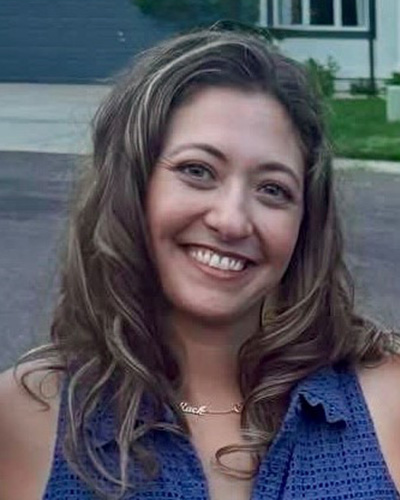 Bayer, Chesterfield, MO
Bria Kettle is a biosafety professional in the life sciences and currently serves as the Biosafety & Crop Science Biologics Stewardship Manager for North America, Australia, and New Zealand within Bayer. She provides strategic direction and operational oversight for a multi-divisional biosafety program supporting pharmaceutical and crop science R&D and manufacturing in addition to stewardship activities for biologically based crop protection products with an emphasis on risk-based decision-making and regulatory compliance. For crop science, the biosafety program encompasses the responsible management of biological agents and biologically derived products across laboratory, greenhouse, and field contexts, including containment and exposure controls, work practices, training, and documentation that support safe handling and transport. Dr. Kettle leads and advises on biosafety risk assessments for biological materials and activities, supports biosafety aspects of facility and program readiness, and develops and maintains procedures and training that enables teams to execute work safely and compliantly throughout the product life cycle. Since 2018, she has served as a regional biosafety expert for Bayer and contributes to global expert panels, providing technical guidance and stakeholder engagement across functions and sites. Dr. Kettle earned her PhD in Microbiology from the University of Kansas, where she studied transcriptional regulation in Escherichia coli and Shigella flexneri. She is an active member of ABSA International and holds the Registered Biosafety Professional (RBP) credential.
2:45 – 3:45 pm | Coffee Break, Posters, Exhibits, and Raffle
Exhibitor raffle prizes will be awarded—must be present to win
Session 13 | Applied Biosafety
3:45 – 4:00 pm BSC Mythbusters: Can All Holes in a HEPA Filter be Detected?
Kara Brunelle, PhD, Baker, Sanford, ME
The standard HEPA leak-check protocol will detect most holes in the filter medium, but there is a minimum that will not be discovered in the BSC.
4:00 – 4:15 pm No Germs Left Behind: Biological Verification Testing of a Chemical Effluent Decontamination System
Gilles Tremblay, Pond & Company, Peachtree Corners, GA
Demonstrates that a simple, bench-top biological verification method can provide a practical and accessible validation framework for chemical effluent decontamination systems in high-containment laboratories.
4:15 – 4:30 pm Evaluation of Hybrid Hydrogen Peroxide Vapor for DNA Amplicon Inactivation in Sensitive Molecular Systems
Elizabeth Massoth, CURIS System, Manhattan, KS
Hybrid hydrogen peroxide vapor provides a practical method to control DNA amplicon contamination in sensitive PCR-based environments while enabling reuse of previously contaminated equipment and improving material compatibility compared to more aggressive chemistries.
4:30 – 4:45 pm When Steam Doesn’t Work: How to Choose Alternative Decontamination Methods?
Louise Blinkenkjaer, MSc, Bavarian Nordic A/S, Kvistgaard, Denmark
Challenging traditional ways of decontaminating production vessels used for manufacturing with highly pathogenic agents.
4:45 – 5:15 pm Q&A Session
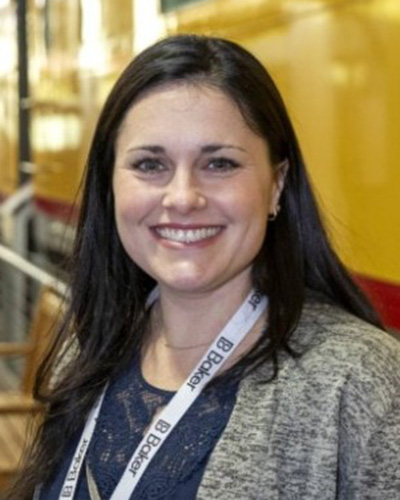 Baker, Sanford, ME
Kara Brunelle, PhD, brings an extensive knowledge of Cell Biology, Pharmacology, and Biosafety to The Baker Company. Prior to her coming on board, she was a Lab Manager, Safety Officer, and Researcher at the Harvard Stem Cell Institute. She earned her PhD at the University of Vermont Cell and Molecular Biology Program, Department of Pharmacology and then completed her postdoctoral training at Yale University in the Vascular Biology and Therapeutics Program. Her recent experience in academic research brings a unique perspective, familiarity and hands-on knowledge base with laboratory science. As the Science Director for Baker, she has helped provide some clarity into the nuances of Biosafety through the use of Biosafety Cabinets and containment devices.
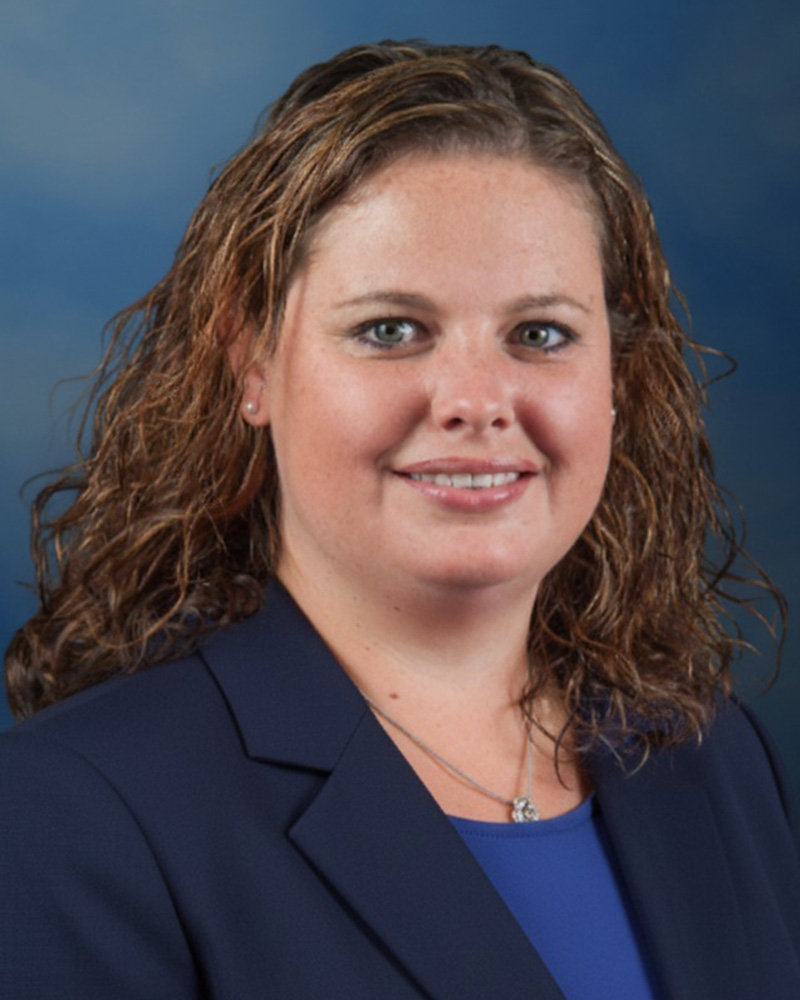 CURIS System, Manhattan, KS
Elizabeth (McQuade) Massoth is the CURIS System Biocontainment Specialist. Massoth came to CURIS from the Biosecurity Research Institute at Kansas State University, a BSL-3, ABSL-3, ABSL-3Ag, and ACL-3 facility. Prior to working in high-containment, she was a Research Assistant/Supervisor at the K-State Rabies Laboratory with ten years of experience in high complexity cell culture-based assays in a GMP/GLP/GCLP laboratory. Massoth has co-authored publications in the Journal of Applied Biosafety; has presented at numerous biosafety, animal research, and pharma conferences; and is working towards her master’s degree in Agribusiness.
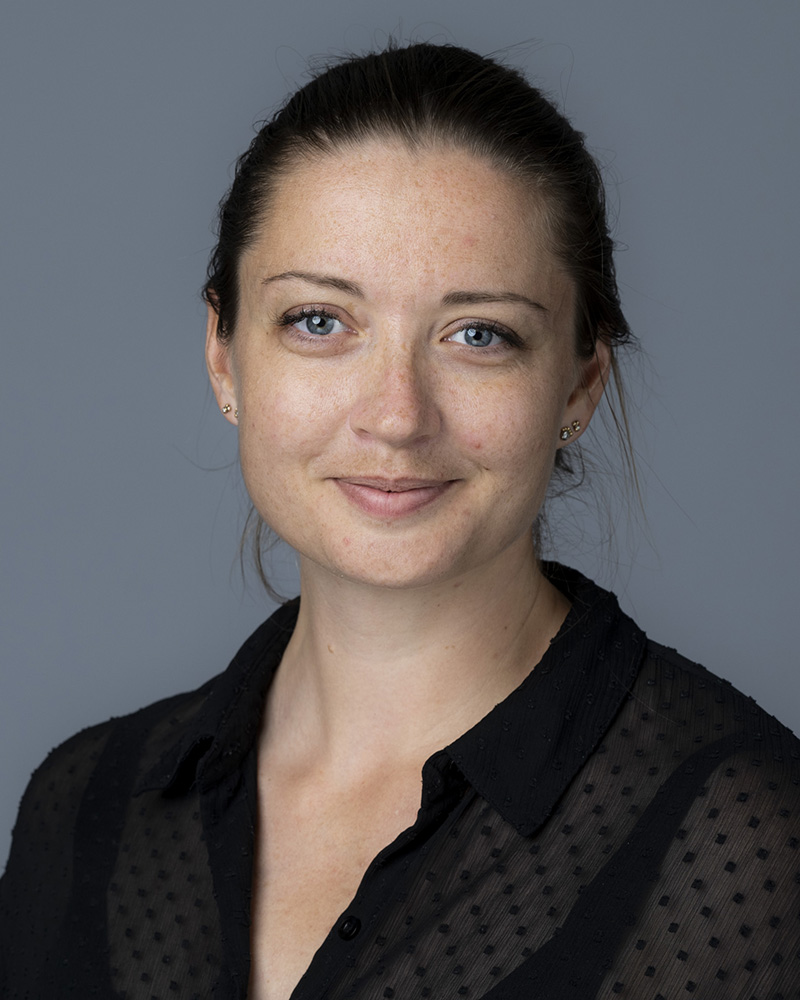 Bavarian Nordic A/S, Kvistgaard, Denmark
Louise Blinkenkjaer is a Biosafety Officer and Specialist at Bavarian Nordic in Denmark, where she provides biosafety leadership for commercial vaccine manufacturing operations conducted within GMP-regulated and BSL-3 containment environments. In her current role, she is responsible for developing and continuously improving biological risk management programs, supporting containment strategies, conducting risk assessments, strengthening biosafety culture, and ensuring compliance with biological safety, GMO, and regulatory requirements across complex manufacturing operations. With a professional background that spans vaccine manufacturing, regulatory affairs, clinical research, and biosafety governance, Louise combines scientific knowledge with practical operational experience at a large-scale BSL-3 vaccine production facility. Prior to her current position, she supported upstream Rabies and Tick-Borne Encephalitis vaccine production at Bavarian Nordic, working directly with the challenges that arise at the intersection of biosafety, biosecurity, and GMP manufacturing. Her experience includes incident management, root-cause investigations, process optimization, change control, and cross-functional collaboration with production, engineering, quality, and health and safety teams. Louise holds an MSc in Biochemistry from the University of Copenhagen, and her career has been characterized by a strong commitment to translating scientific principles and regulatory requirements into practical solutions that protect personnel, patients, products, and facilities.
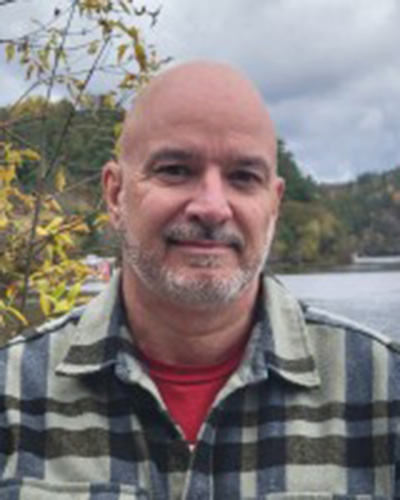 Pond & Company, Peachtree Corners, GA
Mr. Gilles Tremblay has 30+ years of experience in the construction industry focused on research laboratories and containment facilities as a controls and commissioning subject matter specialist (SMS). Experience in research and containment (CL2/3/3Ag/4) laboratories as a “trusted advisor” which includes supporting control system design and analysis, start-up and commissioning of facilities for the owner, and developing operational and asset management plans and strategies for the facility management teams. Has acted as an instructor and/or presenter at over 45 global biocontainment industry events. Authored various thought leadership articles for the biocontainment community.
6:00 – 10:00 pm | Banquet – Mobile Convention Center
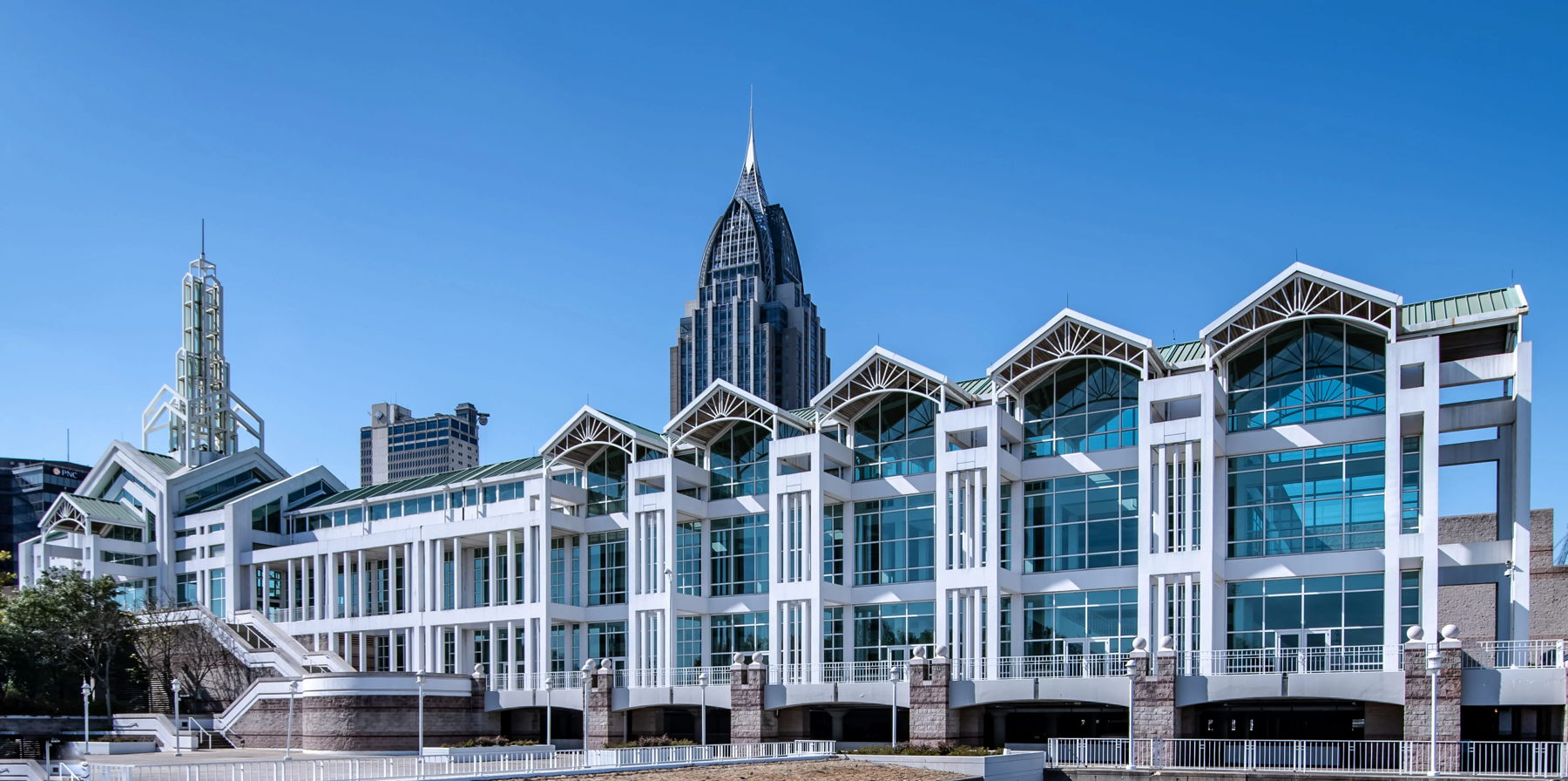 Experience the warmth and hospitality of the birthplace of America’s original Mardi Gras! Enjoy the unique charm of Mobile and renowned Gulf Coast cuisine while enjoying an unforgettable evening of networking, games, and fellowship. Join colleagues and friends and enjoy the welcoming spirit, Southern hospitality, and the rich culture of historic Mobile.